Introduction
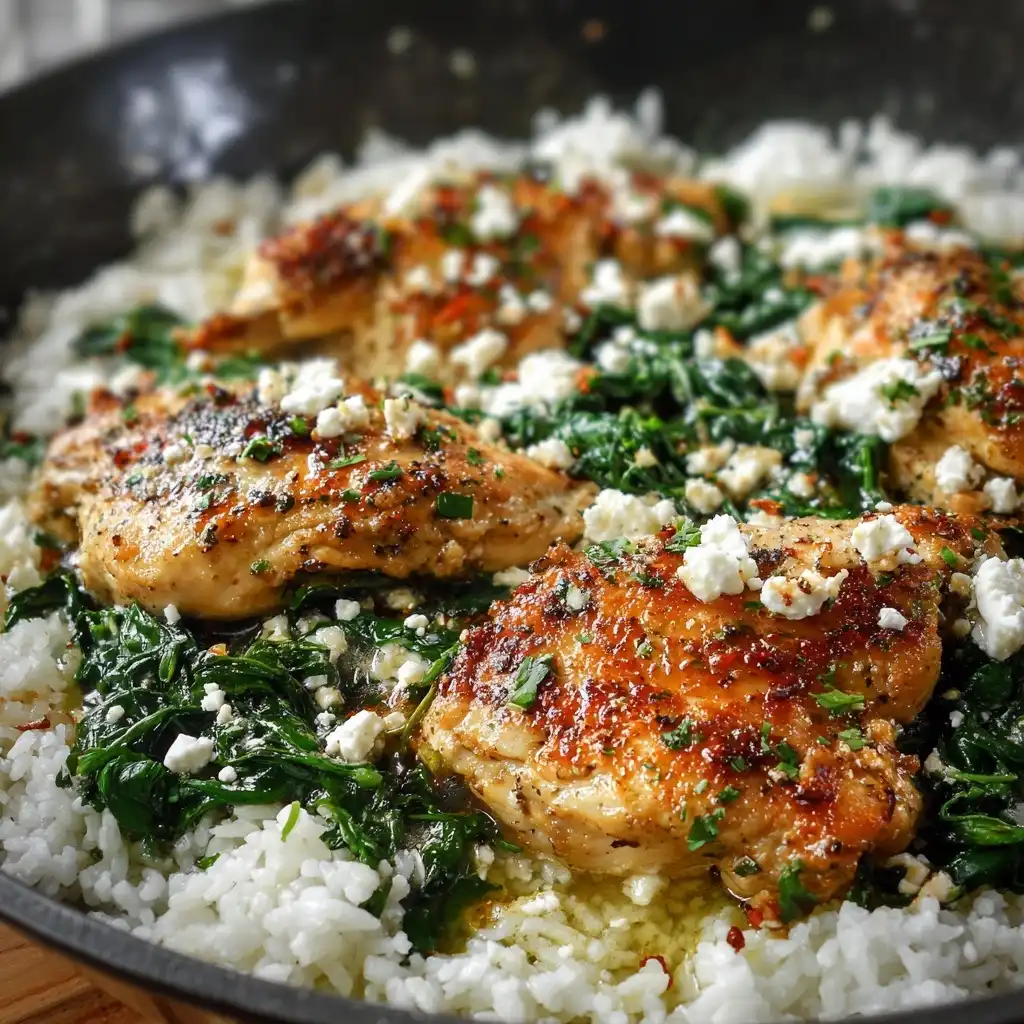
Garlic Butter Chicken with Spinach and Feta is a restaurant-worthy, weeknight-friendly dish that marries bold Mediterranean flavors with effortless elegance. Tender, pan-seared chicken breasts are basted in a rich, aromatic garlic butter sauce infused with fresh herbs, then folded together with vibrant, wilted baby spinach and crumbled creamy feta cheese—creating a harmonious balance of savory, tangy, earthy, and umami notes. This one-pan meal comes together in under 30 minutes, requires minimal prep, and delivers maximum flavor without relying on heavy creams or excessive sodium. Whether you’re cooking for a cozy dinner for two, meal prepping for the week, or impressing guests at a casual gathering, this dish consistently delights with its depth of flavor, textural contrast (juicy chicken, silky spinach, salty-funky feta), and comforting warmth. It’s not just food—it’s a sensory experience rooted in simplicity, quality ingredients, and thoughtful layering of taste.
The History
While there is no single documented origin for “Garlic Butter Chicken with Spinach and Feta,” the dish is a modern culinary synthesis reflecting centuries-old Mediterranean and Levantine traditions. Garlic and butter—though butter was historically less common than olive oil in Southern Europe and the Middle East—have long been foundational flavor agents: garlic was revered in ancient Egypt for both medicinal and culinary uses, while clarified butter (ghee) and later European-style butter appeared in regional sautés and finishing sauces by the late medieval period. Spinach, native to Persia and introduced across the Mediterranean via Arab agricultural trade routes by the 12th century, became a staple green in Greek, Turkish, and Italian kitchens—often paired with feta (a Protected Designation of Origin cheese from Greece, traditionally made from sheep’s or goat’s milk). The fusion of chicken breast (a lean protein popularized globally post-WWII due to industrial poultry farming), garlic butter (a hallmark of French *à la meunière* and American bistro cooking), and feta signals a late-20th- to early-21st-century evolution—likely emerging from food blogs, cooking shows, and wellness-focused chefs seeking elevated yet accessible “clean-eating” meals. Its rise on platforms like Pinterest and Instagram in the mid-2010s cemented its status as a modern pantry classic—a testament to how global ingredients, cultural exchange, and contemporary dietary values converge on the everyday stovetop.
Ingredients Breakdown
Every element in this dish serves a precise purpose—flavor, texture, balance, or function—and understanding their roles deepens both execution and customization:
- Chicken Breasts (boneless, skinless): The protein anchor—lean, mild in flavor, and ideal for absorbing the garlic butter sauce. Opt for uniform thickness (about ¾-inch) to ensure even cooking; pounding ensures tenderness and prevents dryness.
- Unsalted Butter: Provides richness, mouthfeel, and a luxurious base for the sauce. Unsalted allows full control over sodium levels. Brown butter variations add nutty complexity.
- Fresh Garlic (minced or pressed): The aromatic heart—raw garlic offers pungency, but gentle sautéing unlocks sweetness and depth. Too much heat too quickly causes bitterness, so low-and-slow infusion is key.
- Extra-Virgin Olive Oil: Used in tandem with butter to raise the smoke point, prevent burning, and contribute grassy, peppery notes that complement the feta.
- Baby Spinach: Chosen for its tender leaves, mild earthiness, and rapid wilting—no stems to remove, no bitterness when cooked briefly. Rich in iron, folate, and antioxidants, it adds volume, color, and nutritional density without weighing down the dish.
- Feta Cheese (Greek-style, sheep’s milk preferred): Adds bright acidity, saline tang, and creamy-crumbly texture. Authentic Greek feta (PDO-certified) offers superior moisture retention and balanced saltiness versus domestic or blended versions. Crumbling just before serving preserves its integrity.
- Fresh Lemon Juice: A non-negotiable finish—brightens the entire dish, cuts through fat, balances feta’s salt, and enhances garlic’s aroma. Bottled lemon juice lacks volatile citrus oils and introduces off-flavors.
- Dried Oregano & Fresh Thyme: Oregano contributes warm, slightly minty Mediterranean backbone; thyme adds floral-earthy nuance and holds up well to heat. Fresh thyme sprigs can be tied and removed after infusing; leaves may be stripped and stirred in at the end.
- Red Pepper Flakes (optional but recommended): A whisper of heat amplifies garlic and feta without overwhelming—acts as a “flavor catalyst” rather than a dominant spice.
- Kosher Salt & Freshly Ground Black Pepper: Essential for seasoning each layer: chicken pre-sear, spinach during wilting, and final garnish. Kosher salt adheres better and dissolves more evenly than table salt; freshly ground pepper delivers volatile piperine oils for aromatic heat.
Step-by-Step Recipe
- Prep & Season Chicken: Place two 6–7 oz boneless, skinless chicken breasts on a clean cutting board. Cover with parchment paper or plastic wrap and gently pound to an even ¾-inch thickness using a meat mallet or heavy skillet. Pat *extremely* dry with paper towels—moisture is the enemy of searing. Season both sides generously with ¾ tsp kosher salt and ½ tsp freshly ground black pepper.
- Heat Pan & Sear: Heat a large, heavy-bottomed stainless steel or cast-iron skillet over medium-high heat for 2 minutes. Add 1 tbsp extra-virgin olive oil and 1 tbsp unsalted butter. Once butter melts and begins to foam (but not brown), carefully place chicken in the pan without crowding. Press lightly with a spatula for full contact. Cook undisturbed for 5–6 minutes until deeply golden and easily releases from the pan. Flip and cook 4–5 minutes more until internal temperature reaches 165°F (use an instant-read thermometer inserted into the thickest part). Transfer to a clean plate, tent loosely with foil, and rest for 5 minutes—this allows juices to redistribute.
- Build the Garlic Butter Base: Reduce heat to medium-low. In the same skillet, add 2 tbsp unsalted butter, 4–5 finely minced garlic cloves, ½ tsp dried oregano, 4–5 fresh thyme leaves (or ½ tsp dried), and a pinch (⅛ tsp) of red pepper flakes. Stir constantly for 60–90 seconds—just until garlic becomes fragrant and softens, but does *not* brown or burn. If garlic sizzles violently, reduce heat immediately.
- Wilt the Spinach: Add 5 oz (about 6 loosely packed cups) fresh baby spinach all at once. Use tongs to gently toss and coat in the garlic butter. Cook 1–2 minutes, stirring continuously, until spinach is fully wilted, vibrant green, and any excess liquid has evaporated. Season lightly with a pinch of salt and pepper.
- Combine & Finish: Return rested chicken to the skillet, nestling it into the spinach. Spoon garlic butter mixture over the top. Sprinkle evenly with ⅓ cup (about 1.5 oz) crumbled feta cheese. Drizzle with 1 tbsp fresh lemon juice. Let sit off heat for 1 minute to allow residual heat to soften the feta slightly and meld flavors.
- Final Garnish & Serve: Taste and adjust: more lemon? A pinch more salt? A crack of black pepper? Garnish with additional crumbled feta, lemon zest, and a sprinkle of fresh thyme or chopped parsley. Serve immediately—ideally directly from the skillet for optimal warmth and presentation.
Tips
- Dry Chicken = Golden Crust: Excess surface moisture steams instead of sears. Pat chicken *thoroughly*—even re-pat after seasoning if it weeps.
- Don’t Crowd the Pan: Cooking chicken in batches ensures proper browning. Overcrowding drops pan temperature and creates steam, resulting in gray, rubbery chicken.
- Butter + Oil Combo Is Crucial: Butter alone burns at ~350°F; olive oil raises the smoke point to ~410°F, allowing safe browning while retaining butter’s flavor.
- Garlic Timing Is Everything: Garlic cooks faster than you think. Add it *after* the initial sear, when pan is slightly cooler, and stir constantly. Burnt garlic turns acrid and ruins the sauce.
- Rest That Chicken: Skipping the 5-minute rest sacrifices up to 20% of the chicken’s natural juices. Resting lets muscle fibers relax and reabsorb moisture.
- Feta Goes On Last: Adding feta too early causes it to melt into greasy clumps. Warmth from the chicken and spinach gently softens it while preserving texture.
- Lemon Juice Is a Finisher—Not a Cooked Ingredient: Adding lemon at the end preserves its bright, volatile citrus notes. Cooking lemon juice dulls acidity and can impart bitterness.
- Use a Heavy Pan: Stainless steel or cast iron retains heat evenly—critical for consistent searing and controlled reduction of the sauce.
- Spinach Volume Shrinks Dramatically: 6 cups raw yields ~1¼ cups cooked. Don’t skimp—you need volume for structure and balance against the chicken.
- Taste Before Serving: Adjust acidity (lemon), salt, and heat (red pepper) *after* combining—resting and warming alter perception of balance.
Variations and Customizations
This recipe is inherently adaptable—whether accommodating dietary needs, seasonal produce, pantry constraints, or personal taste preferences. Here’s how to make it your own:
- Protein Swaps: Substitute chicken thighs (boneless, skinless) for richer flavor and forgiving moisture; adjust cook time to 6–7 min per side. For vegetarian: use large portobello caps or extra-firm tofu (pressed & pan-seared). For pescatarian: swap in 6 oz wild-caught cod or halibut fillets—reduce cook time to 3–4 min per side and add delicate dill instead of oregano.
- Greens Alternatives: Swap spinach for Swiss chard (stems removed, leaves chopped), arugula (add raw at the very end for peppery bite), or kale (massaged with olive oil first, then wilted 2–3 min longer). Frozen chopped spinach works in a pinch—thaw, squeeze *excess water* thoroughly, and add in last 30 seconds.
- Cheese Variations: Try goat cheese (creamy, tart), queso fresco (milder, less salty), or ricotta salata (firmer, nuttier). For dairy-free: omit feta and finish with toasted pine nuts + lemon zest + a drizzle of high-quality olive oil.
- Herb & Spice Twists: Replace oregano/thyme with za’atar (Middle Eastern blend), smoked paprika + cumin (Spanish-inspired), or fresh dill + capers (Greek taverna style). Add 1 tsp honey or maple syrup for subtle sweetness to balance feta’s salt.
- Grain & Legume Boosts: Transform into a complete bowl: serve over ½ cup cooked quinoa, farro, or brown rice; stir in ½ cup rinsed canned white beans (cannellini or chickpeas) with the spinach for added fiber and protein.
- Low-Carb/Keto-Friendly: Already naturally low-carb (<5g net carbs/serving). For keto, increase healthy fats: add 1 tbsp toasted walnuts or slivered almonds, or finish with avocado slices.
- Meal Prep Friendly: Cook chicken and sauce separately; store chilled up to 4 days. Reheat chicken gently in skillet with 1 tsp broth, then fold in *fresh* spinach and feta—pre-wilted spinach turns mushy upon reheating.
- Make-Ahead Sauce: Whisk together 4 tbsp butter, 4 minced garlic cloves, 1 tsp oregano, ½ tsp red pepper, and 1 tbsp lemon juice. Chill in an airtight container up to 5 days—simply melt and proceed with spinach step.
- Gluten-Free & Allergen Notes: Naturally GF—verify all spice blends and feta brands are certified gluten-free if needed. For nut-free, skip nut-based garnishes; for soy-free, ensure feta contains no soy cultures (most traditional Greek feta is soy-free).
- Spice Level Control: Mild: omit red pepper flakes entirely. Medium: use ⅛ tsp. Bold: increase to ¼ tsp and add 1 finely diced jalapeño (seeds removed) with the garlic.
Health Considerations and Nutritional Value
A single serving (1 chicken breast + 2.5 oz spinach + 1.5 oz feta + sauce) delivers approximately 485 calories, 42g protein, 28g fat (14g saturated), 6g carbohydrates (2g fiber, 1g sugar), and 720mg sodium. While nutrition varies by brand and portion, here’s how each component contributes to wellness—and how to optimize it:
- Chicken Breast: A lean, complete protein source rich in B6, niacin, selenium, and phosphorus—supports muscle repair, metabolism, and immune function. Choosing organic, air-chilled, or pasture-raised options reduces potential antibiotic residues and improves omega-3 ratios.
- Spinach: A nutrient-dense powerhouse: 1 cup cooked provides >100% DV of vitamin K (essential for blood clotting and bone health), 50% DV of vitamin A (as beta-carotene for vision and immunity), plus magnesium, folate, and nitrates linked to improved blood flow and exercise performance.
- Feta Cheese: Lower in calories and fat than many cheeses (1.5 oz = ~210 kcal, 16g fat), and notably higher in calcium and probiotics (if unpasteurized/artisanal) than aged cheeses. Its salt content is moderate (~320mg sodium per ounce)—opt for reduced-sodium feta or use 20% less if monitoring sodium intake.
- Garlic & Olive Oil: Both contain potent bioactive compounds—allicin in garlic supports cardiovascular health and exhibits antimicrobial properties; oleocanthal in EVOO acts as a natural anti-inflammatory similar to ibuprofen.
- Lemon Juice: Enhances non-heme iron absorption from spinach by up to 300%—making this dish especially beneficial for plant-based iron intake. Vitamin C also regenerates antioxidants like vitamin E.
- Considerations: Sodium primarily comes from feta and added salt—easily reduced by 25% without sacrificing flavor. Saturated fat is mostly from butter and feta; substituting half the butter with olive oil lowers saturated fat by ~4g/serving. For heart health, prioritize monounsaturated fats (EVOO) and limit butter to 1–1.5 tbsp total per batch.
- Who Benefits Most? Athletes (high-protein recovery meal), individuals managing blood pressure (potassium-rich spinach offsets sodium), those supporting gut health (fermented feta, garlic prebiotics), and anyone seeking antioxidant-rich, anti-inflammatory fare. Pair with a side of roasted sweet potatoes or lentil salad for added complex carbs and polyphenols.
Ingredients
- 2 (6–7 oz) boneless, skinless chicken breasts, pounded to ¾-inch thickness
- 1¼ tsp kosher salt, divided (¾ tsp for chicken, ½ tsp for spinach)
- 1 tsp freshly ground black pepper, divided (½ tsp for chicken, ½ tsp for finishing)
- 1 tbsp extra-virgin olive oil
- 3 tbsp unsalted butter, divided (1 tbsp for searing, 2 tbsp for sauce)
- 4–5 garlic cloves, finely minced (about 1½ tbsp)
- ½ tsp dried oregano
- 4–5 fresh thyme leaves (or ½ tsp dried thyme)
- ⅛–¼ tsp red pepper flakes (to taste)
- 5 oz fresh baby spinach (about 6 loosely packed cups)
- ⅓ cup (1.5 oz) crumbled feta cheese (preferably Greek PDO)
- 1 tbsp fresh lemon juice (plus extra for garnish)
- Optional garnishes: lemon zest, additional crumbled feta, fresh thyme or parsley
Directions
- Pat chicken breasts extremely dry with paper towels. Season both sides with ¾ tsp kosher salt and ½ tsp black pepper.
- Heat a large heavy-bottomed skillet over medium-high heat for 2 minutes. Add olive oil and 1 tbsp butter. When butter foams, add chicken and cook 5–6 minutes per side until golden and internal temp reaches 165°F. Transfer to a plate, tent with foil, and rest 5 minutes.
- Reduce heat to medium-low. Add remaining 2 tbsp butter, garlic, oregano, thyme, and red pepper flakes. Stir constantly 60–90 sec until fragrant and garlic softens (do not brown).
- Add spinach all at once. Toss with tongs until fully wilted (1–2 min). Season with remaining ½ tsp salt and pinch of pepper.
- Return rested chicken to skillet. Spoon garlic butter over chicken and spinach. Sprinkle evenly with feta. Drizzle with lemon juice.
- Let sit off heat 1 minute. Taste and adjust seasoning. Garnish with lemon zest, extra feta, and fresh herbs. Serve immediately.
FAQ
- Can I use frozen chicken?
- Yes—but thaw completely in the refrigerator overnight and pat *very* dry before seasoning. Never cook frozen chicken in this method—it will steam and never sear properly.
- Why does my feta melt into blobs?
- Feta melts when exposed to prolonged high heat. Always add it *after* removing from direct heat and let residual warmth gently soften it—never boil or simmer with feta in the pan.
- Can I make this ahead and reheat?
- Best served fresh, but components store well separately: cooked chicken (up to 4 days), garlic butter sauce (up to 5 days refrigerated), and fresh spinach/feta added at reheating. Reheat chicken gently in skillet with splash of broth, then fold in *raw* spinach and feta—wilting takes 90 seconds.
- Is there a dairy-free version?
- Absolutely. Skip butter and feta. Use 2 tbsp olive oil for searing and sauce. For richness, add 1 tbsp nutritional yeast + 1 tsp lemon juice + pinch of salt to mimic feta’s tang. Finish with avocado slices and toasted pumpkin seeds.
- What wine pairs best with this dish?
- A crisp, high-acid white: Assyrtiko (Greek, mineral-driven), Sauvignon Blanc (New Zealand, citrus-herb notes), or Vermentino (Sardinian, saline finish). For red lovers, try a light-bodied, low-tannin Pinot Noir—chill slightly.
- My sauce looks greasy—what went wrong?
- Greasiness usually means too much butter or insufficient emulsification. Ensure you’re whisking the garlic butter constantly while heating, and avoid overheating. If greasy, whisk in 1 tsp cold water or lemon juice off-heat to help bind.
- Can I grill the chicken instead of pan-searing?
- Yes! Grill over medium heat (400°F) for 5–6 min per side. Prepare the garlic butter sauce separately on the stovetop and toss grilled chicken with wilted spinach and feta in a warmed serving bowl.
- How do I keep the chicken from drying out?
- Pounding to even thickness, high-heat searing for crust formation, precise internal temp (165°F—not higher), and mandatory 5-minute rest are non-negotiable. Brining (30 min in 4 cups water + ¼ cup salt) adds insurance for juiciness.
- Can I double this recipe?
- Yes—but cook chicken in two batches to avoid overcrowding. Keep first batch warm in a 200°F oven while cooking second. Double the garlic butter sauce, but add spinach in two batches to ensure even wilting.
- What sides go well with this?
- Light, complementary textures: lemon-herb quinoa, roasted cherry tomatoes, warm pita wedges, tzatziki-dressed cucumber salad, or simply crusty whole-grain bread for soaking up the sauce.
Summary
Garlic Butter Chicken with Spinach and Feta is a masterclass in simple, ingredient-driven cooking—where premium, minimally processed components shine through smart technique and mindful layering of flavor, texture, and nutrition. It’s a versatile, restaurant-caliber dish that satisfies cravings for comfort and sophistication alike, all while fitting seamlessly into diverse dietary frameworks and busy real-life schedules.
With its golden-seared chicken, velvety garlic-butter sauce, earthy wilted spinach, and bright, briny feta finish, this meal proves that extraordinary taste doesn’t require complexity—just respect for ingredients, attention to detail, and the confidence to let bold, honest flavors speak for themselves.