Introduction
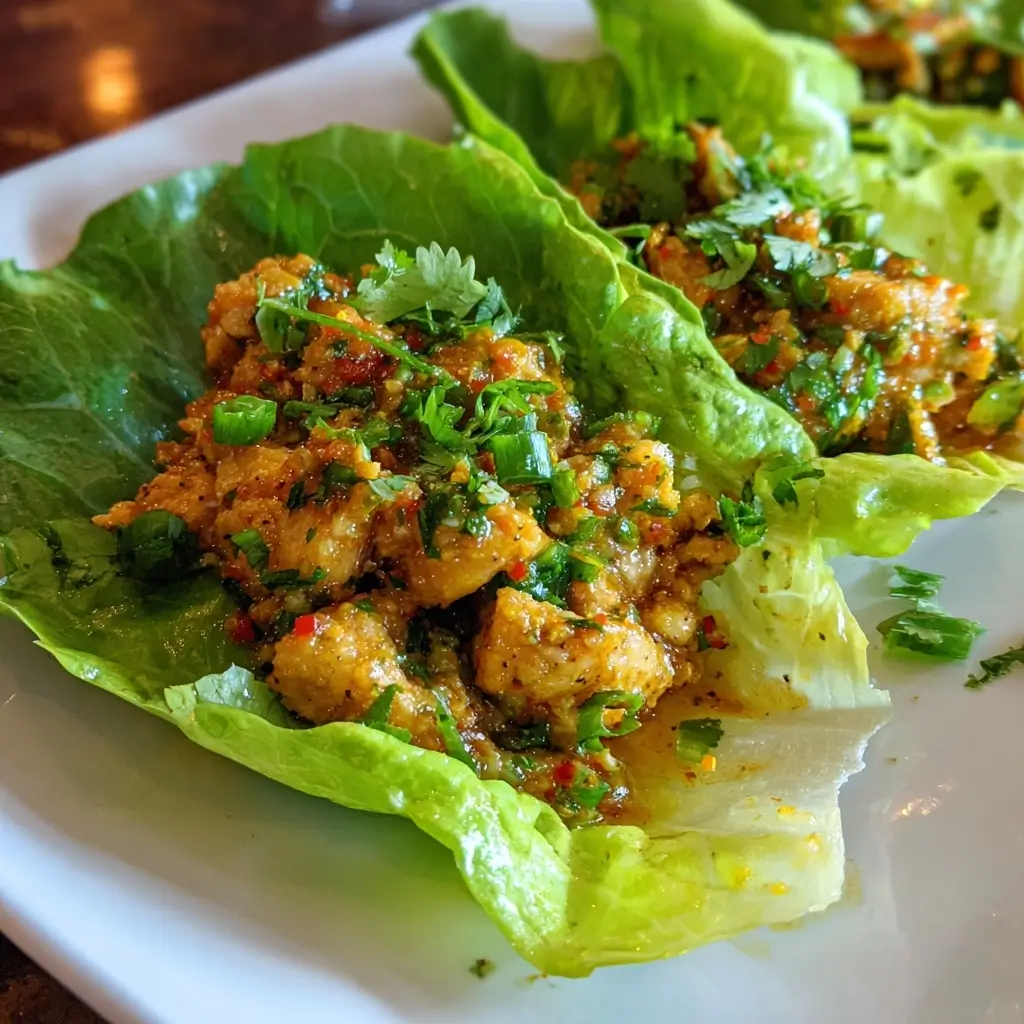
Garlic Butter Chicken Lettuce Wraps are a vibrant, restaurant-worthy dish reimagined for home kitchens—light yet deeply satisfying, fresh yet richly flavorful. This modern take on Asian-inspired appetizers swaps heavy wrappers and fried components for crisp, cool butter lettuce cups, filled with tender, golden-brown chicken sautéed in a luxurious garlic-butter sauce infused with umami depth, aromatic herbs, and just the right balance of sweet, salty, sour, and heat. Perfect as an elegant appetizer, a protein-packed lunch, or a low-carb dinner centerpiece, these wraps celebrate texture contrast (crisp lettuce, juicy chicken, crunchy garnishes), bold layering of flavors, and effortless assembly—making them ideal for weeknight meals, dinner parties, or meal-prep-friendly lunches. Their versatility, visual appeal, and nutritional flexibility have propelled them to viral status across food blogs, TikTok cooking reels, and health-conscious culinary circles alike.
The History
While lettuce wraps as a concept trace back centuries—to ancient Chinese yú shēng (raw fish salads) and later Cantonese-style “lettuce cups” served in dim sum houses—the modern Garlic Butter Chicken variation is a distinctly 21st-century American fusion creation. Its roots lie in the late 2000s–early 2010s wave of keto, paleo, and Whole30 dietary movements, which catalyzed widespread innovation around grain-free, low-carb alternatives to traditional rice bowls and spring rolls. Chefs and home cooks began adapting classic stir-fry techniques—traditionally built on soy sauce, ginger, and scallions—to richer, more decadent Western flavor profiles: think browned butter, roasted garlic, fresh thyme, lemon zest, and herbaceous gremolata. Social media platforms like Pinterest and Instagram accelerated its evolution, with influencers showcasing glossy, golden chicken nestled in emerald-green butter lettuce leaves, garnished with microgreens and pickled radishes. Unlike its Thai or Vietnamese predecessors (e.g., larb or goi ga), this version leans into European dairy richness while honoring Asian textural principles—bridging culinary traditions through intuitive, ingredient-driven improvisation rather than strict authenticity.
Ingredients Breakdown
Every element in Garlic Butter Chicken Lettuce Wraps serves both functional and sensory purposes—no ingredient is arbitrary. Below is a detailed, chef-level analysis of each component:
- Chicken Breast or Thighs: Boneless, skinless chicken breast offers lean tenderness and clean protein, while thighs provide superior moisture retention, richer mouthfeel, and deeper flavor due to higher fat content—ideal for longer sauté times without drying out. For best results, use uniform ½-inch cubes and pat *extremely* dry before cooking to ensure caramelization.
- Unsalted Butter: The cornerstone of the sauce—preferably high-fat (82%+), European-style for nutty complexity when browned. Salted butter can be used, but requires careful sodium adjustment elsewhere. Clarified butter (ghee) is an excellent dairy-free-adjacent alternative that withstands higher heat without burning.
- Fresh Garlic: Not garlic powder—minced or pressed *fresh* cloves deliver volatile sulfur compounds (allicin) responsible for pungent aroma and antimicrobial benefits. Roasting whole cloves beforehand adds mellow sweetness; crushing and resting raw garlic for 10 minutes pre-cook maximizes phytonutrient activation.
- Shallots & Yellow Onion: Shallots contribute delicate sweetness and floral nuance; yellow onions add body and savory depth. Finely dicing ensures rapid, even softening without competing textures in the final wrap.
- Dry Sherry or Dry White Wine: Acts as a deglazing agent to lift fond (caramelized bits) from the pan, adding acidity and subtle fruitiness. Substitute with dry vermouth, sake, or even apple cider vinegar + water (1:3 ratio) if avoiding alcohol.
- Low-Sodium Soy Sauce or Tamari: Provides essential umami and saltiness. Tamari is gluten-free and less harsh; coconut aminos offer a milder, slightly sweeter, soy-free alternative with lower sodium and added minerals like potassium.
- Fish Sauce (optional but highly recommended): A mere ½ tsp amplifies savoriness exponentially without detectable “fishy” taste—its fermented anchovy base contributes glutamic acid, mirroring MSG’s effect naturally. Omit only for strict vegetarian diets.
- Honey or Pure Maple Syrup: Balances acidity and salt with gentle sweetness and viscosity. Raw honey adds enzymes and antioxidants; maple syrup contributes manganese and zinc. Avoid corn syrup—it lacks nuance and spikes glycemic load.
- Fresh Lemon Juice & Zest: Juice brightens and cuts through fat; zest imparts intense citrus oil fragrance—add zest *after* cooking to preserve volatile aromatics.
- Fresh Herbs (Parsley, Cilantro, Chives): Parsley brings grassy freshness and vitamin K; cilantro adds bright, citrusy notes (genetically perceived as soapy by ~10% of people—offer on the side); chives lend mild onion essence and delicate crunch.
- Butter Lettuce (Bibb or Boston): Chosen for its tender, pliable, cup-shaped leaves with high water content and subtle sweetness—unlike romaine (too fibrous) or iceberg (too bland and watery). Leaves should be chilled and thoroughly dried to prevent sogginess and enhance crispness.
- Garnishes: Toasted sesame seeds (rich in calcium and lignans), thinly sliced green onions (prebiotic fiber), pickled red onions (probiotics + acidity), crushed roasted peanuts or cashews (healthy fats + crunch), and microgreens (nutrient-dense finishing flourish).
Step-by-Step Recipe
- Prep the Chicken: Cut 1.5 lbs boneless, skinless chicken breasts or thighs into ½-inch cubes. Pat *completely dry* with paper towels. Season lightly with ¼ tsp black pepper and ⅛ tsp white pepper (for clean heat). Let sit at room temperature 15 minutes.
- Prep Aromatics: Mince 6 large garlic cloves (about 2 tbsp). Finely dice 1 medium shallot and ½ small yellow onion. Chop ¼ cup fresh flat-leaf parsley, 2 tbsp cilantro, and 1 tbsp chives—keep separate. Zest 1 lemon; juice the same lemon (yields ~2 tbsp).
- Toast Nuts & Seeds: In a dry skillet over medium-low heat, toast 3 tbsp raw unsalted peanuts or cashews and 1 tbsp white sesame seeds until golden and fragrant (3–4 mins). Cool completely. Reserve half for garnish.
- Sear the Chicken: Heat 1 tbsp neutral oil (avocado or grapeseed) in a heavy-bottomed stainless steel or cast-iron skillet over medium-high heat until shimmering. Add chicken in a single layer—do not crowd. Sear undisturbed 2–3 minutes until deeply golden. Flip and sear opposite side 2 minutes. Transfer to a clean plate; tent loosely with foil.
- Bloom Aromatics: Reduce heat to medium. Add 4 tbsp unsalted butter. Once melted, add shallots and onions. Sauté 3 minutes until translucent. Add minced garlic; stir constantly 60–90 seconds until fragrant but *not browned* (garlic burns easily).
- Build the Sauce: Pour in ¼ cup dry sherry. Scrape pan vigorously with a wooden spoon to release all browned bits (fond). Simmer 1 minute until alcohol evaporates. Whisk in 3 tbsp low-sodium soy sauce, ½ tsp fish sauce, 1 tbsp honey, and ¼ tsp red pepper flakes (optional). Simmer 2 minutes to reduce slightly.
- Combine & Finish: Return chicken and any accumulated juices to pan. Stir gently to coat. Simmer 2–3 minutes until chicken reaches 165°F internally and sauce thickens to a light glaze. Remove from heat. Stir in lemon juice, lemon zest, and reserved fresh herbs (except garnish portion). Taste and adjust: more honey for sweetness, soy for saltiness, lemon for brightness, or pinch of flaky sea salt.
- Prepare Lettuce: While sauce simmers, wash and dry 1 large head of butter lettuce. Gently separate 12–16 largest, most intact outer leaves. Chill in ice water 5 minutes for maximum crispness; spin dry thoroughly in salad spinner or pat with towels.
- Assemble: Spoon ~2 tbsp warm chicken mixture into center of each chilled lettuce leaf. Top with toasted nuts/seeds, pickled onions, extra herbs, and a final flake of Maldon sea salt. Serve immediately.
Tips
- Dry Chicken = Golden Chicken: Excess moisture causes steaming instead of searing. Pat chicken *twice*: once after cutting, again right before seasoning.
- Control Garlic Burn: Garlic burns at 300°F. Always add it *after* onions soften, and stir constantly over medium (not high) heat. For deeper flavor, roast whole garlic cloves in olive oil at 375°F for 40 minutes, then mash into sauce.
- Butter Browning Hack: To achieve nutty brown butter without burning: melt butter over medium-low heat, swirl pan frequently. When foam subsides and milk solids turn golden-amber (3–5 mins), immediately remove from heat and pour into a heatproof bowl—residual heat will finish browning.
- Sauce Consistency Control: Too thin? Simmer 1–2 extra minutes. Too thick? Splash in 1 tsp warm broth or water. Never add cold liquid to hot butter—it causes separation.
- Lettuce Leaf Selection: Choose leaves with sturdy ribs and no tears. Smaller inner leaves work beautifully for bite-sized appetizers; larger outer leaves hold more filling. If leaves tear, double-layer them.
- Make-Ahead Strategy: Cook chicken and sauce up to 3 days ahead; store separately from lettuce. Reheat sauce gently (do not boil) and toss with warm chicken. Assemble wraps *only* 10 minutes before serving to prevent sogginess.
- No-Splatter Searing: Use a splatter screen or cover pan *partially* with lid during initial sear—just enough to contain oil without trapping steam.
- Flavor Layering Secret: Bloom spices (red pepper flakes, white pepper) in hot butter *before* adding aromatics for amplified depth.
- Texture Preservation: Toast nuts *after* cooking sauce—heat makes them lose crunch. Add acidic garnishes (pickled onions, lime wedges) at the very end to maintain vibrancy.
- Kid-Friendly Adaptation: Omit fish sauce and red pepper flakes; increase honey to 1.5 tbsp and add 1 tsp grated apple for natural sweetness and moisture.
Variations and Customizations
This recipe is a master template—infinitely adaptable to dietary needs, seasonal produce, pantry staples, and global inspirations:
- Paleo/Whole30: Swap butter for ghee or avocado oil; replace soy sauce with coconut aminos; omit honey—use 1 tbsp date paste or monk fruit syrup; garnish with jicama matchsticks instead of peanuts.
- Vegan: Use king oyster mushrooms (cut into “chicken” strips) or pressed, baked tofu. Replace butter with vegan butter + 1 tsp nutritional yeast; use tamari and liquid aminos; add 1 tsp miso paste for umami. Marinate mushrooms in sauce 30 minutes pre-sauté.
- Spicy Korean-Inspired: Add 1 tbsp gochujang + 1 tsp rice vinegar to sauce; top with kimchi slaw and toasted black sesame seeds.
- Mediterranean Twist: Replace soy/fish sauce with 1 tbsp capers + 1 tsp lemon thyme; use feta crumbles and kalamata olives instead of peanuts; garnish with roasted cherry tomatoes.
- Herb-Forward Spring Version: Add 2 tbsp chopped tarragon + 1 tbsp chervil; swap lemon for orange zest/juice; top with edible flowers and asparagus ribbons.
- Smoky Chipotle: Add 1 tsp chipotle powder + ½ tsp smoked paprika to sauce; garnish with avocado slices and crumbled cotija.
- Curry Infusion: Sauté 1 tsp curry powder with aromatics; finish with 2 tbsp coconut milk and fresh mango chunks.
- Breakfast Lettuce Cups: Use breakfast sausage crumbles instead of chicken; add scrambled eggs to sauce; top with crispy bacon and cheddar.
- Seafood Variation: Substitute shrimp or scallops—cook 1–2 minutes per side. Add 1 tsp Old Bay and dill instead of parsley.
- Grain-Bowl Hybrid: Serve warm chicken mixture over cauliflower rice, quinoa, or soba noodles—still garnish with lettuce ribbons and herbs for freshness.
Health Considerations and Nutritional Value
A single serving (⅓ recipe = 4 wraps) delivers approximately 320–380 calories, with exceptional macro- and micronutrient density when prepared mindfully:
- Protein Powerhouse: ~38g high-quality, complete protein supports muscle synthesis, satiety, and metabolic health. Chicken thigh versions add monounsaturated fats beneficial for heart health.
- Smart Fats: Butter provides butyrate (anti-inflammatory short-chain fatty acid) and fat-soluble vitamins A, D, E, K2. Pairing with lemon enhances absorption of fat-soluble nutrients.
- Phytonutrient-Rich: Garlic contains allicin (cardiovascular protector), onions offer quercetin (antioxidant), parsley is loaded with apigenin (neuroprotective), and lemon zest delivers limonene (detox-supportive terpene).
- Low-Carb & Blood-Sugar Friendly: Net carbs range from 6–9g per serving—ideal for keto, diabetic, or insulin-resistant individuals. Honey’s glycemic impact is mitigated by high protein/fat content and fiber from lettuce.
- Gut Health Boost: Fermented fish sauce and optional pickled onions supply beneficial bacteria and prebiotic fibers. Lettuce itself contains inulin-like compounds that feed probiotics.
- Sodium Awareness: Using low-sodium soy and omitting added salt keeps sodium under 500mg per serving—well within ADA guidelines. Rinsing canned ingredients (if used) further reduces sodium.
- Allergen Notes: Naturally gluten-free (with tamari), nut-free (omit peanuts), dairy-free (with ghee/substitute), and egg-free. Always verify labels on soy sauce and fish sauce for hidden allergens.
- Anti-Inflammatory Profile: Rich in selenium (chicken), omega-3s (if using pasture-raised chicken or adding walnuts), polyphenols (herbs, lemon), and sulforaphane precursors (raw garlic).
- Hydration Support: Butter lettuce is ~96% water—excellent for cellular hydration and kidney function, especially when paired with electrolyte-rich lemon.
- Meal Timing Tip: High-protein, moderate-fat meals like this stabilize blood sugar for 4+ hours—ideal for sustained energy and reduced snacking between meals.
Ingredients
- 1.5 lbs boneless, skinless chicken breast or thighs, cut into ½-inch cubes
- 4 tbsp unsalted butter (or ghee for dairy-free)
- 6 large garlic cloves, finely minced (≈2 tbsp)
- 1 medium shallot, finely diced
- ½ small yellow onion, finely diced
- ¼ cup dry sherry or dry white wine
- 3 tbsp low-sodium soy sauce or tamari
- ½ tsp fish sauce (optional but recommended)
- 1 tbsp raw honey or pure maple syrup
- ¼ tsp red pepper flakes (adjust to taste)
- 2 tbsp fresh lemon juice (from 1 lemon)
- 1 tsp lemon zest
- ¼ cup fresh flat-leaf parsley, finely chopped
- 2 tbsp fresh cilantro, finely chopped
- 1 tbsp fresh chives, finely chopped
- ¼ tsp freshly ground black pepper
- ⅛ tsp white pepper
- 1 large head butter lettuce (Bibb or Boston), leaves separated and washed
- For Garnish: 3 tbsp unsalted peanuts or cashews, toasted; 1 tbsp white sesame seeds, toasted; ¼ cup quick-pickled red onions; extra fresh herbs; flaky sea salt
Directions
- Pat chicken cubes *extremely dry* with paper towels. Season with black and white pepper. Set aside at room temperature 15 minutes.
- In a dry skillet over medium-low heat, toast peanuts and sesame seeds until golden and fragrant (3–4 minutes). Cool completely.
- Heat 1 tbsp neutral oil in a large heavy skillet over medium-high heat until shimmering. Add chicken in a single layer; sear 2–3 minutes per side until golden and cooked through (165°F). Transfer to a plate; tent with foil.
- Reduce heat to medium. Add butter; melt. Add shallot and onion; sauté 3 minutes until soft. Add garlic; stir constantly 60–90 seconds until fragrant.
- Pour in sherry; scrape pan to lift fond. Simmer 1 minute. Whisk in soy sauce, fish sauce, honey, and red pepper flakes. Simmer 2 minutes.
- Return chicken to pan. Simmer 2–3 minutes until sauce coats chicken and thickens slightly.
- Remove from heat. Stir in lemon juice, lemon zest, parsley, cilantro, and chives.
- Chill lettuce leaves in ice water 5 minutes; spin or pat *thoroughly* dry.
- Fill each lettuce cup with ~2 tbsp warm chicken mixture. Top generously with toasted nuts, pickled onions, herbs, and flaky salt. Serve immediately.
FAQ
- Can I use frozen chicken?
- Yes—but thaw *completely* in refrigerator (not microwave) and pat *extra dry*. Frozen chicken releases more water, risking steamed (not seared) texture. For best results, brine thawed chicken 30 minutes in 1 cup water + 1 tsp salt to restore juiciness.
- What if my sauce breaks or looks greasy?
- This happens when butter separates due to high heat or cold ingredients. Fix it by removing from heat, whisking in 1 tsp warm broth or lemon juice, then gently reheating while whisking constantly. Prevent it by never boiling the sauce and ensuring all additions are at room temperature.
- Can I make these ahead for meal prep?
- Absolutely! Cook chicken and sauce up to 3 days ahead; store in airtight container refrigerated. Lettuce leaves can be washed, dried, and stored between damp paper towels in a sealed container for up to 2 days. Assemble wraps within 10 minutes of serving.
- Why does my garlic taste bitter?
- Burning garlic causes bitterness. Always cook garlic *after* onions soften, over medium heat, stirring constantly. If using roasted garlic, squeeze pulp from cooled cloves—never add raw burnt bits.
- Is there a substitute for fish sauce?
- Yes: 1 tsp soy sauce + ¼ tsp Worcestershire sauce (check for anchovies if strict vegetarian), or 1 tsp miso paste + 1 tsp water. For umami-only boost, add ¼ tsp mushroom powder.
- Can I air-fry the chicken instead of pan-searing?
- You can—but texture suffers. Air-frying yields drier, less caramelized chicken. If using, marinate chicken 15 minutes in 1 tbsp soy + 1 tsp oil, then air-fry at 400°F for 10–12 minutes, shaking halfway. Finish in sauce as directed.
- Which lettuce holds up best for leftovers?
- None truly do—lettuce wilts upon refrigeration. However, romaine hearts (inner ribs only) or napa cabbage leaves hold shape better for next-day “deconstructed” bowls. For true wrap integrity, always assemble fresh.
- How do I scale this for a party of 12?
- Triple the recipe. Use two skillets to avoid overcrowding. Keep sauce warm in a double boiler or slow cooker on “warm” setting. Set up a garnish bar with lettuce leaves, toppings, and sauce for DIY assembly—keeps everything crisp and engaging.
- Can I freeze Garlic Butter Chicken?
- Yes—the cooked chicken and sauce freeze well for up to 3 months in freezer-safe containers. Thaw overnight in fridge, reheat gently on stove (add splash of broth if dry), then assemble fresh. Do *not* freeze assembled wraps.
- Why use both black and white pepper?
- Black pepper contains piperine, enhancing nutrient absorption (especially turmeric, if added); white pepper offers cleaner, sharper heat without black specks—ideal for light-colored dishes where appearance matters.
Summary
Garlic Butter Chicken Lettuce Wraps are a nutritionally dense, globally inspired dish that harmonizes golden-brown seared chicken, a luxuriously aromatic garlic-butter-umami sauce, and refreshingly crisp butter lettuce cups—offering unparalleled texture contrast, customizable flavor profiles, and remarkable adaptability for diverse dietary lifestyles.
With meticulous attention to ingredient quality, precise heat control, and strategic make-ahead techniques, this recipe transforms simple pantry staples into an elegant, restaurant-caliber meal that’s equally suited for intimate weeknight dinners, wellness-focused lunches, or showstopping entertaining—all while delivering robust protein, smart fats, gut-supportive compounds, and vibrant phytonutrients in every vibrant, handheld bite.