Introduction
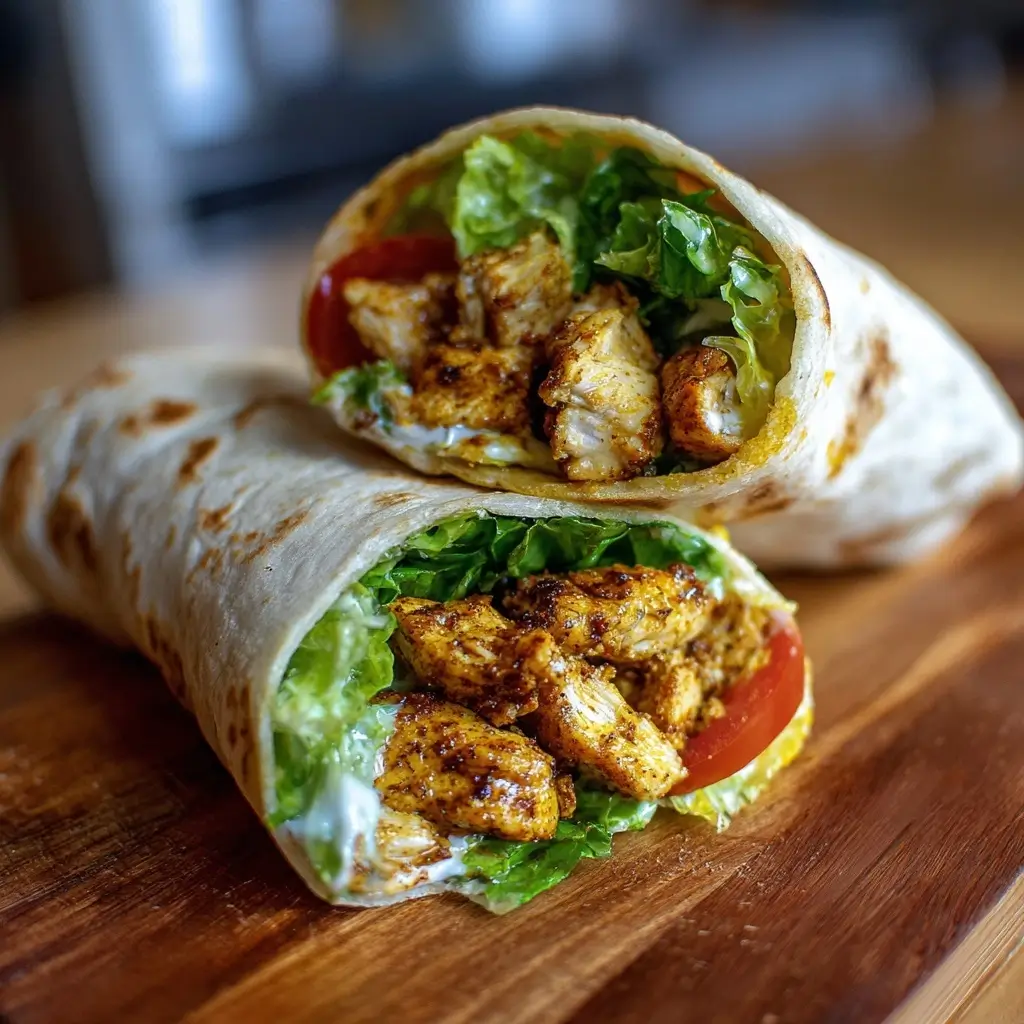
Garlic Butter Chicken Wraps are the ultimate fusion of comfort, convenience, and bold flavor — a restaurant-worthy meal transformed into an easy-to-hold, portable handheld delight. Imagine tender, juicy grilled or pan-seared chicken breast infused with rich, aromatic garlic butter, nestled inside a warm, pliable tortilla and elevated with crisp fresh vegetables, creamy sauces, and a hint of zesty brightness. Whether you’re packing lunch for work, whipping up a quick weeknight dinner, feeding hungry teenagers, or hosting a casual get-together, these wraps deliver maximum satisfaction with minimal fuss. Their versatility makes them endlessly adaptable — gluten-free, keto-friendly, dairy-light, or plant-forward versions are all within reach — while their irresistible aroma and savory-sweet-umami profile ensure they’re never boring. More than just a sandwich alternative, Garlic Butter Chicken Wraps represent modern home cooking at its most flavorful, flexible, and family-approved.
The History
While no single chef or country can claim sole origin of the Garlic Butter Chicken Wrap, its evolution reflects broader culinary trends spanning decades. The love affair with garlic butter dates back centuries — ancient Romans prized garlic for both medicinal and culinary uses, and by the 18th century, French chefs were refining *beurre composé* (compound butters), including early iterations of garlic-infused butter used to finish steaks and seafood. In mid-20th-century America, the rise of the suburban kitchen, convenience foods, and the “TV dinner” era paved the way for handheld meals — think 1950s pita pockets and 1970s flour tortilla roll-ups. The true genesis of today’s Garlic Butter Chicken Wrap emerged in the late 1990s and early 2000s, fueled by food blogs, Food Network shows like *Emeril Live*, and the growing popularity of fajitas and grilled chicken wraps in California and Texas. Chefs and home cooks alike began experimenting with basting chicken in herb-garlic butter before wrapping it with roasted peppers, spinach, and feta — a technique inspired by Mediterranean meze platters and Mexican street food. By the 2010s, social media platforms like Pinterest and Instagram accelerated its viral appeal, with #GarlicButterChicken racking up millions of posts showcasing golden-brown chicken strips glistening in melted butter, wrapped in everything from spinach tortillas to coconut wraps. Today, it stands as a global pantry staple — adapted in Korean BBQ-style versions with gochujang butter, Indian-inspired renditions with ghee and cumin, and even Japanese tonkatsu-style wraps using panko-crusted chicken glazed in miso-garlic butter.
Ingredients Breakdown
Understanding each component unlocks mastery — and empowers smart substitutions without sacrificing depth:
- Chicken Breast (or Thigh): Boneless, skinless chicken breast is lean and widely available, but chicken thighs offer superior moisture, richer flavor, and greater forgiveness during cooking. Brining (30 minutes in 1 cup water + 1 tbsp salt + 1 tsp sugar) or dry-brining (salting 1–2 hours ahead) dramatically improves juiciness and seasoning penetration.
- Unsalted Butter: The foundation of the sauce — unsalted allows precise control over sodium. European-style butter (82–86% fat) delivers creamier texture and deeper nuttiness when browned. For dairy-free, high-quality vegan butter (e.g., Miyoko’s or Earth Balance) works surprisingly well — just avoid margarine with high water content.
- Fresh Garlic: Non-negotiable. Pre-minced jarred garlic lacks complexity and can taste metallic or sour. Fresh cloves, finely minced or pressed, release allicin — the compound responsible for garlic’s pungent aroma and health benefits — especially when gently sautéed in butter (not raw, which can be harsh).
- Heavy Cream or Full-Fat Coconut Milk: Adds luxurious body and balances garlic’s sharpness. Heavy cream yields a velvety, slightly tangy finish; full-fat coconut milk lends subtle sweetness and works beautifully in dairy-free or Thai-inspired variations. Evaporated milk is a lower-fat compromise, but avoid skim or low-fat dairy — they may curdle.
- Lemon Juice & Zest: Bright acidity cuts through richness and lifts the entire dish. Freshly squeezed is essential — bottled juice lacks volatile citrus oils and tastes flat. Zest adds aromatic intensity without extra liquid.
- Fresh Herbs: Parsley provides clean, grassy freshness; cilantro offers citrusy punch (ideal for Latin or Asian fusions); chives add delicate onion notes. Dried herbs lack vibrancy here — reserve them only for long-simmered marinades, not finishing touches.
- Tortillas: Flour tortillas (8–10 inch) offer pliability and neutral flavor; whole wheat adds fiber and nuttiness; spinach or tomato tortillas contribute color and subtle earthiness; low-carb almond flour or coconut wraps cater to keto diets. Warm tortillas (15–20 sec in microwave or dry skillet) become infinitely more pliable and less likely to crack.
- Vegetable Fillings: Romaine or butter lettuce adds crunch and cool contrast; red onion offers sweet-sharp bite (soak in cold water 5 minutes to mellow); cherry tomatoes burst with acidity; avocado or guacamole contributes creaminess and heart-healthy fats; roasted red peppers bring smoky sweetness; shredded purple cabbage adds color, crunch, and anthocyanin antioxidants.
- Optional Umami Boosters: A splash of white wine (added to the pan before butter for deglazing), a teaspoon of Dijon mustard (emulsifies and adds tang), a pinch of red pepper flakes (for gentle heat), or a dash of Worcestershire sauce (fermented depth) can elevate complexity without overwhelming.
Step-by-Step Recipe
- Prep the Chicken: Pat 1.5 lbs boneless, skinless chicken breasts or thighs *very dry* with paper towels. Slice against the grain into ½-inch thick strips (for tenderness) or 1-inch cubes (for skewering). Season generously with 1½ tsp kosher salt, 1 tsp black pepper, and ½ tsp smoked paprika (optional, for depth).
- Marinate (Optional but Recommended): In a bowl, combine chicken with 2 tbsp olive oil, 3 minced garlic cloves, 1 tbsp lemon juice, and 1 tsp dried oregano. Refrigerate 30 minutes–2 hours. Discard marinade before cooking.
- Cook the Chicken: Heat 1 tbsp olive oil in a large stainless steel or cast-iron skillet over medium-high heat until shimmering. Add chicken in a single layer — do not overcrowd. Sear undisturbed for 4–5 minutes until deeply golden and ~75% cooked. Flip and cook 3–4 more minutes until internal temperature reaches 165°F (use an instant-read thermometer). Transfer to a clean plate; tent loosely with foil.
- Make the Garlic Butter Sauce: Reduce heat to medium-low. In the same skillet, melt 6 tbsp unsalted butter. Add 4–5 finely minced garlic cloves and sauté gently for 45–60 seconds until fragrant — *do not brown*, or garlic turns bitter. Stir in ¼ cup heavy cream (or full-fat coconut milk), 1 tbsp lemon juice, 1 tsp lemon zest, and ¼ tsp red pepper flakes. Simmer 2 minutes until slightly thickened, stirring constantly.
- Finish & Infuse: Return chicken to skillet. Spoon sauce over pieces. Add 2 tbsp chopped fresh parsley and 1 tbsp chopped fresh chives. Gently toss to coat. Cook 1–2 minutes more until sauce clings luxuriously and chicken is fully heated. Remove from heat.
- Warm Tortillas: Stack 6 large (10-inch) flour tortillas. Wrap in damp paper towels, then in aluminum foil. Heat in a 350°F oven for 10–12 minutes, OR warm individually in a dry skillet over medium heat for 20 seconds per side until soft and pliable.
- Assemble Wraps: Lay a warm tortilla flat. Spoon ⅓ cup garlic butter chicken down the center. Top with ¼ cup shredded romaine, 2 tbsp thinly sliced red onion, ¼ sliced avocado, 4 halved cherry tomatoes, and a drizzle of additional lemon juice or chipotle crema (optional). Fold bottom edge up over filling, fold in left and right sides, then roll tightly from bottom to top. Secure with parchment paper or foil if packing.
- Serve Immediately: Cut wraps in half diagonally for presentation. Garnish with extra parsley, lemon wedges, and a final flake of sea salt. Best enjoyed within 30 minutes of assembly for optimal texture.
Tips
- Dry Chicken is Key: Excess surface moisture causes steaming instead of searing — always pat chicken bone-dry before seasoning. This ensures caramelization, not rubberiness.
- Garlic Timing Matters: Add garlic *after* the butter melts but *before* it foams subsides — too early = burnt bitterness; too late = raw, harsh bite. Keep heat low and stir constantly.
- Don’t Overcook the Sauce: Simmering too long reduces cream and risks separation. If sauce looks thin, let it reduce off-heat for 1 minute — residual heat continues thickening.
- Tortilla Temperature: Cold tortillas crack. Warm tortillas are elastic. If reheating day-old wraps, wrap in a damp towel and microwave 20 seconds — steam restores pliability.
- Layer Smartly: Place wet ingredients (tomatoes, sauce) *above* dry ones (lettuce, chicken) to prevent sogginess. Avocado or cheese act as natural moisture barriers.
- Meal Prep Friendly: Cook and sauce chicken up to 4 days ahead. Store separately from tortillas and wet veggies. Assemble wraps fresh — they hold beautifully for lunchboxes when wrapped tightly in parchment + foil.
- Skillet Choice: Stainless steel or cast iron gives best sear and fond (browned bits) for deglazing. Non-stick works but won’t develop deep flavor-building fond.
- Rest Before Cutting: Let chicken rest 5 minutes after cooking *before* slicing — juices redistribute, ensuring every bite stays succulent.
- Double-Dip Flavor: Brush warm tortillas lightly with garlic butter before filling — an extra layer of aroma and richness that elevates every bite.
- Acid Last: Always add lemon juice or vinegar *after* removing from heat — high heat diminishes bright top notes and can make sauce taste dull.
Variations and Customizations
Endless creativity starts here — adapt based on dietary needs, seasonal produce, global flavors, or pantry staples:
- Keto/Low-Carb: Swap tortillas for large butter lettuce cups or collard green wraps. Use ghee instead of butter, increase healthy fats with extra avocado and crumbled bacon. Skip sugar-laden sauces — opt for sugar-free hot sauce or lemon-caper aioli.
- Gluten-Free: Use certified GF tortillas (Canyon Bakehouse, Siete Almond Flour) or coconut wraps. Ensure soy sauce or Worcestershire is GF-certified if using umami boosters.
- Dairy-Free/Vegan: Replace butter with vegan butter + 1 tsp nutritional yeast (for cheesy depth); use coconut cream instead of heavy cream; marinate tofu or tempeh “chicken” strips instead of poultry. Add turmeric for golden color and anti-inflammatory benefits.
- Mediterranean Style: Add crumbled feta, kalamata olives, diced cucumber, and tzatziki. Swap parsley for dill and lemon for orange zest. Finish with a drizzle of high-quality olive oil and oregano.
- Tex-Mex Fiesta: Stir chipotle peppers in adobo into the butter sauce. Use pepper jack cheese, pickled red onions, black beans, corn, and lime crema. Serve with crushed tortilla chips on the side.
- Asian Fusion: Replace garlic butter with ginger-scallion butter (grated fresh ginger + sliced scallions). Add 1 tbsp tamari, 1 tsp toasted sesame oil, and ½ tsp rice vinegar to sauce. Fill with shredded carrots, cucumber ribbons, and quick-pickled daikon.
- Herb Garden Delight: Use a blend of equal parts basil, tarragon, and chervil. Add 1 tbsp white wine vinegar and 1 tsp honey to balance. Top with heirloom cherry tomatoes and burrata.
- Spicy Cajun Kick: Rub chicken with Cajun seasoning pre-cook. Deglaze pan with ¼ cup chicken broth + 1 tsp Creole mustard. Top with pickled jalapeños and remoulade.
- Breakfast Wrap: Add scrambled eggs or a fried egg, crispy breakfast potatoes, and crumbled goat cheese. Use chive butter and swap lemon for apple cider vinegar.
- Meal-Prep Power Bowl Version: Skip tortillas entirely. Serve garlic butter chicken over quinoa or cauliflower rice with roasted broccoli, cherry tomatoes, and tahini-lemon drizzle.
Health Considerations and Nutritional Value
A well-balanced Garlic Butter Chicken Wrap can be a nutrient-dense, protein-rich meal — but mindful preparation determines its wellness impact. Per standard serving (1 wrap with 5 oz chicken, 1 large tortilla, ½ avocado, mixed greens, and light sauce):
- Calories: ~520–680 kcal — highly variable based on butter quantity, tortilla type, and added cheese or oils. Using 3 tbsp butter instead of 6 saves ~100 kcal; swapping white flour tortilla for whole grain reduces glycemic load.
- Protein: ~42–48g — excellent source supporting muscle maintenance, satiety, and metabolic health. Chicken breast provides all 9 essential amino acids; thighs add more zinc and B12.
- Fats: ~28–36g total — predominantly unsaturated (avocado, olive oil, nuts/seeds if added) and saturated (butter, cheese). Prioritizing grass-fed butter increases CLA (conjugated linoleic acid), linked to anti-inflammatory effects. Limit saturated fat to <10% daily calories per American Heart Association guidelines.
- Carbohydrates: ~32–44g — mostly from tortilla and veggies. Whole-grain or sprouted tortillas provide 4–6g fiber (vs. 1g in refined), aiding digestion and blood sugar regulation. Adding beans or lentils boosts fiber to 10g+.
- Vitamins & Minerals: Rich in selenium (immune support), vitamin B6 (energy metabolism), vitamin C (from lemon/tomatoes), potassium (avocado, spinach), and folate (leafy greens). Garlic contributes allicin — shown in studies to support cardiovascular health and antimicrobial activity when consumed raw or lightly cooked.
- Sodium Considerations: Naturally low in sodium, but added salt, cheese, sauces, and processed tortillas can push levels high. Aim for <1,500–2,300 mg/day. Use low-sodium broth, skip added salt in marinade if using salty cheeses, and rinse canned beans.
- Digestive Notes: Garlic may cause reflux in sensitive individuals — reduce quantity or sauté longer to mellow potency. High-fat meals slow gastric emptying; pairing with fermented foods (kimchi, sauerkraut) aids digestion.
- Anti-Inflammatory Alignment: This recipe naturally fits an anti-inflammatory pattern: abundant colorful vegetables, omega-3 friendly fats (if using grass-fed butter/avocado), antioxidant-rich herbs, and no refined sugars or industrial seed oils. Add turmeric or ginger for enhanced effect.
- Allergen Awareness: Common allergens include dairy (butter, cheese), gluten (tortillas), and occasionally eggs (if using egg-washed tortillas). Always verify labels on pre-made sauces, tortillas, and seasonings.
- Balancing Blood Sugar: Pair with high-fiber fillings (beans, lentils, roasted squash) and healthy fats to slow glucose absorption. Avoid sugary sauces — opt for mustard-based or herb-infused vinaigrettes instead.
Ingredients
- 1.5 lbs boneless, skinless chicken breasts or thighs, sliced into ½-inch strips
- 1½ tsp kosher salt (plus more to taste)
- 1 tsp freshly ground black pepper
- ½ tsp smoked paprika (optional)
- 2 tbsp extra-virgin olive oil (divided)
- 6 tbsp unsalted butter (1 stick, at room temperature)
- 4–5 large garlic cloves, finely minced (about 2 tbsp)
- ¼ cup heavy cream or full-fat coconut milk
- 1 tbsp fresh lemon juice (plus extra for serving)
- 1 tsp lemon zest
- ¼ tsp red pepper flakes (adjust to taste)
- ¼ cup chopped fresh flat-leaf parsley
- 2 tbsp chopped fresh chives
- 6 (10-inch) flour tortillas (whole wheat, spinach, or gluten-free as needed)
- 1 cup shredded romaine or butter lettuce
- ½ medium red onion, very thinly sliced
- 1 ripe avocado, sliced or mashed
- 1 cup cherry tomatoes, halved
- Flaky sea salt and extra lemon wedges for serving
Directions
- Pat chicken completely dry with paper towels. Place in a medium bowl and season with salt, pepper, and smoked paprika. Toss to coat evenly.
- In a large skillet over medium-high heat, warm 1 tbsp olive oil until shimmering. Add chicken in a single layer (work in batches if needed) and cook undisturbed for 4–5 minutes until deeply golden on one side. Flip and cook 3–4 minutes more until cooked through (165°F internal temp). Transfer to a plate; cover loosely with foil.
- Reduce heat to medium-low. In the same skillet, melt butter. Add minced garlic and sauté gently for 45–60 seconds until fragrant but not browned.
- Stir in heavy cream, lemon juice, lemon zest, and red pepper flakes. Simmer gently for 2 minutes, stirring often, until slightly thickened.
- Return chicken to skillet. Spoon sauce over pieces, then add parsley and chives. Gently toss to coat. Cook 1–2 minutes more until heated through and sauce clings.
- While chicken simmers, warm tortillas: stack, wrap in damp paper towels + foil, and bake at 350°F for 10–12 minutes — or heat individually in a dry skillet for 20 seconds per side.
- To assemble: lay a warm tortilla flat. Spoon ⅓ cup chicken mixture down center. Top with romaine, red onion, avocado, and tomatoes. Drizzle with extra lemon juice.
- Fold bottom edge up over filling, fold left and right sides inward, then roll tightly from bottom to top. Repeat with remaining tortillas.
- Cut wraps in half diagonally. Serve immediately with lemon wedges and flaky salt. Store leftovers (unwrapped) separately for up to 4 days.
FAQ
- Can I use frozen chicken?
- Yes — but thaw completely in the refrigerator overnight (never at room temperature). Pat *extremely* dry before cooking, as excess ice crystals create steam and hinder browning.
- Why does my garlic butter sauce separate?
- Most commonly due to overheating the cream or adding cold cream to hot butter. Always warm cream slightly before adding, and keep heat low during simmering. If separation occurs, remove from heat, whisk vigorously, and add 1 tsp cold butter while whisking — the emulsifiers will rebind.
- Can I make this ahead for meal prep?
- Absolutely. Cook and sauce chicken up to 4 days ahead; store chilled in an airtight container. Warm tortillas and chop veggies fresh. Assemble wraps within 30 minutes of eating to prevent sogginess. For lunches, pack components separately and assemble onsite.
- What’s the best tortilla to prevent cracking?
- Look for pliable, flexible brands like Mission Carb Balance or La Tortilla Factory Whole Grain — they contain glycerin or cultured wheat starch for stretch. Always warm tortillas before filling, and avoid overstuffing.
- My chicken turned out dry — what went wrong?
- Overcooking is the #1 culprit. Use a meat thermometer — 165°F is safe, but 160°F followed by 5-minute rest yields juicier results. Also ensure chicken is uniformly sliced and patted dry for even searing.
- Can I grill the chicken instead of pan-searing?
- Yes! Preheat grill to medium-high (400°F). Oil grates well. Grill chicken 5–6 minutes per side. Baste with garlic butter *only in the last 2 minutes* to prevent burning. Rest before slicing.
- Is there a lower-calorie version?
- Reduce butter to 3 tbsp, use Greek yogurt thinned with lemon juice instead of heavy cream, choose a low-carb tortilla or lettuce cup, and increase non-starchy veggies (zucchini ribbons, shredded cabbage, radishes).
- How do I reheat leftovers without drying them out?
- Best method: Skillet. Add 1 tsp water or broth to pan, warm over medium-low, add chicken, cover, and steam 2–3 minutes. Microwave reheating dries chicken — if necessary, cover tightly and heat in 20-second bursts.
- Can I freeze Garlic Butter Chicken?
- Yes — freeze cooked, unsauced chicken for up to 3 months. Thaw overnight in fridge, then prepare fresh garlic butter sauce and assemble. Freezing the full wrap is not recommended — tortillas become gummy and fillings weep.
- What wine pairs well with this dish?
- A crisp, unoaked Chardonnay or Sauvignon Blanc complements the garlic and lemon. For red lovers, try a light-bodied Pinot Noir with bright acidity to match the richness without overwhelming.
Summary
Garlic Butter Chicken Wraps are a symphony of savory, creamy, bright, and textural elements — featuring perfectly seared chicken bathed in aromatic, golden garlic butter, rolled into warm tortillas with fresh, crunchy, and vibrant vegetables for a satisfying, restaurant-quality meal you can make effortlessly at home.
Infinitely customizable for dietary preferences, packed with high-quality protein and functional nutrients, and built for real-life flexibility — whether served hot off the skillet, packed for lunch, or adapted for keto, gluten-free, or dairy-free lifestyles — this recipe is a timeless, flavorful cornerstone of modern cooking.