Introduction
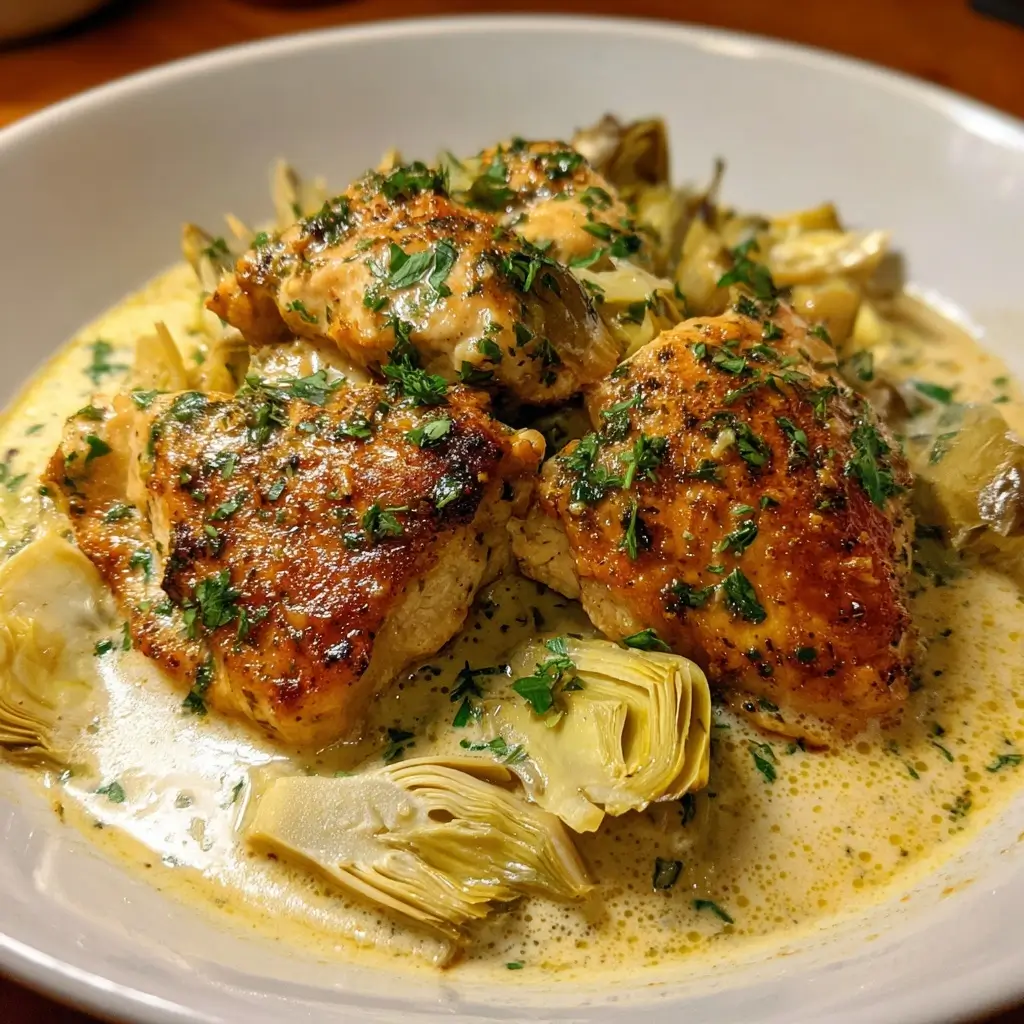
Garlic Butter Chicken with Artichokes is a restaurant-worthy, weeknight-easy dish that marries tender, pan-seared chicken breasts with the briny elegance of marinated artichoke hearts and the rich, aromatic depth of slow-simmered garlic butter sauce. With its golden-brown chicken cutlets, glistening herb-flecked sauce, and tender-crisp artichokes nestled in creamy lemony goodness, this meal delivers bold Mediterranean flair without requiring exotic ingredients or hours in the kitchen. Whether you’re seeking an impressive yet approachable dinner for guests, a comforting family favorite with gourmet appeal, or a versatile protein-and-vegetable combo that reheats beautifully, Garlic Butter Chicken with Artichokes checks every box—offering layers of savory umami, bright acidity, velvety richness, and subtle herbal freshness in every bite.
The History
While no single documented origin story exists for Garlic Butter Chicken with Artichokes as a named dish, its roots trace back to a confluence of culinary traditions spanning centuries and continents. Garlic’s use as a foundational flavoring agent dates to ancient Egypt, Mesopotamia, and classical Greece—where it was prized not only for pungency but also for medicinal properties. Butter-based pan sauces gained prominence in French cuisine during the 19th century, particularly through the work of Auguste Escoffier, who codified techniques like *monter au beurre* (finishing sauces with cold butter for silkiness and sheen). Artichokes, native to the Mediterranean basin, were cultivated by the Romans and later popularized across Southern Europe—especially in Italy and Provence—where they frequently appeared in rustic preparations with olive oil, lemon, garlic, and herbs. The modern American iteration of this dish likely emerged in the mid-to-late 20th century, as canned and jarred marinated artichoke hearts became widely available in U.S. supermarkets (first introduced commercially in the 1940s), coinciding with the rise of “continental” home cooking trends inspired by Julia Child and regional Italian cookbooks. Chefs and home cooks alike began experimenting with quick pan-searing methods for chicken, pairing them with pantry-friendly, flavorful components—leading to the now-iconic trio: seared chicken, garlic-infused butter, and tangy artichokes. Its enduring popularity reflects a broader cultural shift toward dishes that balance convenience with sophistication—proof that humble ingredients, when thoughtfully combined and properly executed, can yield extraordinary results.
Ingredients Breakdown
Understanding each ingredient’s role—and how they interact—is key to mastering this dish’s nuanced flavor profile and ideal texture:
- Chicken Breasts (boneless, skinless): The protein foundation—ideally pounded to an even ½-inch thickness for consistent cooking and tenderness. High-quality, air-chilled, or organic chicken yields superior moisture retention and flavor absorption.
- Unsalted Butter: Provides luxurious mouthfeel, nutty depth when browned slightly, and emulsifies the sauce. Unsalted allows precise sodium control; European-style (82–86% fat) adds extra richness and stability.
- Fresh Garlic (minced or pressed): The aromatic heart of the dish. Fresh cloves deliver bright, spicy-sweet complexity—far superior to pre-minced or powdered versions, which lack vibrancy and can turn bitter when cooked too long.
- Marinated Artichoke Hearts (jarred): Typically packed in olive oil, vinegar, garlic, and herbs. They contribute tangy acidity, subtle bitterness, meaty texture, and built-in seasoning. Drain well—but reserve 1–2 tablespoons of the marinade for added dimension.
- Dry White Wine (e.g., Sauvignon Blanc or Pinot Grigio): Adds brightness and lifts heaviness; its acidity balances the butter while deglazing the pan to incorporate flavorful browned bits (*fond*). Substitute low-sodium chicken broth if avoiding alcohol.
- Fresh Lemon Juice & Zest: Lemon juice provides essential acidity to cut through richness; zest contributes floral, citrusy top notes that elevate the entire aroma profile.
- Heavy Cream or Full-Fat Coconut Milk (dairy-free option): Adds body, silkiness, and mild sweetness—tempering sharpness while helping the sauce cling to the chicken and artichokes. Avoid ultra-pasteurized cream, which may curdle.
- Fresh Herbs (parsley, thyme, optional oregano or basil): Parsley adds clean, grassy freshness at the end; thyme contributes earthy, floral undertones that complement both chicken and artichokes. Dried herbs may be used in a pinch but require earlier addition to rehydrate.
- Seasonings (sea salt, freshly ground black pepper, optional red pepper flakes): Salt enhances all other flavors and aids in proper browning; pepper adds warmth; red pepper flakes introduce gentle heat that harmonizes with garlic and lemon.
- Olive Oil or Avocado Oil: Used for initial searing—chosen for high smoke point and neutral or complementary flavor. Extra-virgin olive oil works best for finishing drizzles or in lower-heat applications.
Step-by-Step Recipe
- Prep the Chicken: Place boneless, skinless chicken breasts between two sheets of parchment paper or plastic wrap. Using a meat mallet or heavy skillet, pound evenly to ½-inch thickness. Pat thoroughly dry with paper towels—this ensures maximum browning, not steaming.
- Season Generously: Lightly brush both sides with olive oil, then season liberally with sea salt and freshly ground black pepper. Let rest at room temperature for 15 minutes to promote even cooking.
- Sear the Chicken: Heat 1 tablespoon high-smoke-point oil in a large stainless steel or cast-iron skillet over medium-high heat until shimmering. Add chicken without crowding—cook in batches if needed. Sear undisturbed for 5–6 minutes per side, or until deeply golden brown and internal temperature reaches 155°F (68°C). Transfer to a clean plate, tent loosely with foil, and rest for 5 minutes (carryover cooking will bring it to 165°F/74°C).
- Build the Aromatic Base: Reduce heat to medium-low. In the same skillet, melt 2 tablespoons unsalted butter. Add 4–5 minced garlic cloves and 1 teaspoon fresh thyme leaves. Sauté gently for 1–2 minutes—just until fragrant and softened, taking care not to burn the garlic.
- Deglaze & Simmer: Pour in ¼ cup dry white wine (or low-sodium broth), scraping vigorously with a wooden spoon to lift all golden fond from the pan bottom. Let bubble for 1–2 minutes until reduced by half.
- Incorporate Artichokes: Drain 1 (14-oz) jar of marinated artichoke hearts, reserving 1 tablespoon of marinade. Roughly chop artichokes into bite-sized pieces. Add to the skillet along with the reserved marinade. Simmer gently for 3 minutes to meld flavors and soften edges.
- Enrich the Sauce: Whisk in ⅓ cup heavy cream (or full-fat coconut milk) and the juice of ½ lemon (about 1 tablespoon). Stir in 1 teaspoon lemon zest. Bring to a gentle simmer—not a boil—and cook for 2–3 minutes until slightly thickened.
- Finish with Butter & Herbs: Remove from heat. Whisk in 2 more tablespoons cold unsalted butter, one piece at a time, until fully emulsified and glossy. Stir in 2 tablespoons finely chopped fresh flat-leaf parsley and a pinch of flaky sea salt. Taste and adjust: more lemon for brightness, salt for balance, red pepper flakes for heat.
- Reunite & Serve: Return rested chicken to the skillet, spooning sauce generously over each piece. Let warm gently for 1 minute—do not recook. Garnish with additional parsley, lemon zest, and optional microgreens or shaved Parmesan.
Tips
- Pounding Perfection: Always pound chicken to uniform thickness—not only for even cooking, but also to increase surface area for browning and improve sauce adhesion.
- Dry Is Divine: Moisture is the enemy of the Maillard reaction. Pat chicken *extremely* dry before seasoning—even a damp surface will steam rather than sear.
- Garlic Timing Matters: Add garlic *after* the butter melts and foams subside—but *before* the butter browns. Garlic burns quickly at high heat; gentle sautéing preserves sweetness and avoids acrid bitterness.
- Reserve That Marinade: The oil-and-vinegar blend from jarred artichokes is liquid gold—packed with garlic, herbs, and acidity. Even 1 tablespoon adds unmistakable depth and authenticity.
- Cream Temperature Counts: Use cold cream and add off-heat or at very low simmer to prevent separation. If using coconut milk, opt for BPA-free canned full-fat version—not “light” or carton varieties.
- Rest Before Reuniting: Allowing chicken to rest prevents juices from flooding the sauce upon return—keeping both elements perfectly textured.
- Sauce Consistency Control: Too thin? Simmer 30 seconds longer. Too thick? Whisk in 1 tsp warm broth or lemon juice. Never add cold liquid to hot butter-based sauce—it risks breaking.
- Skillet Choice: Stainless steel or cast iron preferred—nonstick makes cleanup easy but inhibits proper fond development, which is critical for flavor.
- Lemon Zest First: Always zest before juicing—the oils are most potent in the outer peel and easily lost if juiced first.
- Herb Timing: Delicate herbs like parsley go in at the very end to preserve color, aroma, and freshness. Heartier herbs like thyme or rosemary can be added earlier.
Variations and Customizations
This recipe is inherently adaptable—ideal for dietary preferences, seasonal produce, pantry constraints, or creative exploration:
- Dairy-Free Version: Replace butter with vegan butter (Miyoko’s or Forager Project) and heavy cream with full-fat coconut milk or cashew cream (soaked raw cashews blended with water until silky). Ensure artichokes are packed in olive oil—not dairy-based marinades.
- Gluten-Free & Keto-Friendly: Naturally compliant—just verify all packaged ingredients (e.g., broth, artichokes) are certified GF. Boost healthy fats with extra olive oil drizzle or sliced avocado garnish.
- Vegetarian Adaptation: Swap chicken for thick-cut portobello mushrooms, pan-seared halloumi, or marinated baked tofu. Adjust sear time accordingly—mushrooms release water, so cook until deeply caramelized and moisture evaporates.
- Seafood Twist: Substitute chicken with wild-caught cod fillets, shrimp, or scallops. Reduce sear time dramatically—shrimp cook in 2 minutes, scallops in 90 seconds per side. Add seafood in the final 2 minutes of sauce simmering.
- Mediterranean Upgrade: Stir in ¼ cup pitted kalamata olives, 2 tbsp crumbled feta, and 1 tsp capers with the artichokes. Finish with oregano instead of parsley.
- Spring Garden Style: Fold in ½ cup blanched asparagus tips, ¼ cup fresh peas, and 1 tbsp chopped chives with the parsley. A splash of white vermouth adds extra nuance.
- Spicy Arrabbiata-Inspired: Add 1 tsp crushed Calabrian chiles or ½ tsp smoked paprika with the garlic. Top with grated Pecorino Romano and fresh basil ribbons.
- Low-Carb / Whole30 Compliant: Omit cream entirely—rely on reduced wine, artichoke marinade, lemon juice, and extra butter for body. Thicken subtly with ½ tsp arrowroot slurry (if not strict Whole30) or simmer longer to reduce.
- Sheet Pan Roast Variation: Toss chicken, whole artichoke hearts, cherry tomatoes, lemon slices, garlic cloves, and olive oil on a rimmed baking sheet. Roast at 425°F (220°C) for 20–25 minutes. Whisk together butter, lemon, herbs, and pan drippings for finishing sauce.
- Meal Prep Friendly: Cook chicken and sauce separately; store chilled up to 4 days. Reheat chicken gently in sauce to prevent drying. Freezes well for up to 3 months—thaw overnight and reheat slowly on stove with splash of broth.
Health Considerations and Nutritional Value
Garlic Butter Chicken with Artichokes offers a nutrient-dense, balanced profile when prepared mindfully—combining lean protein, heart-healthy fats, fiber-rich vegetables, and bioactive compounds:
- Protein Powerhouse: A 5-oz chicken breast delivers ~35g high-quality complete protein—supporting muscle maintenance, satiety, and metabolic function. Opting for organic, pasture-raised chicken further enhances omega-3 content and reduces exposure to antibiotics/hormones.
- Heart-Healthy Fats: Olive oil and butter (in moderation) provide monounsaturated and saturated fats essential for hormone synthesis and vitamin absorption. Artichoke oil itself contains oleic acid and antioxidants linked to improved cholesterol profiles.
- Artichoke Benefits: Rich in prebiotic fiber (inulin), artichokes support gut microbiome diversity and digestive regularity. They’re also exceptionally high in antioxidants—including cynarin and silymarin—which support liver detoxification pathways and exhibit anti-inflammatory effects.
- Garlic Goodness: Contains allicin—a sulfur compound formed when garlic is crushed or chopped and left to sit for 10 minutes before cooking. Allicin has demonstrated antimicrobial, cardiovascular-protective, and immune-modulating properties in clinical studies.
- Lemon’s Vitamin C Boost: Enhances non-heme iron absorption (from any leafy greens served alongside), supports collagen synthesis, and regenerates other antioxidants like vitamin E.
- Considerations: Sodium levels can vary significantly based on artichoke marinade and added salt—choose low-sodium or no-salt-added brands when possible. Those monitoring saturated fat intake may moderate butter quantity or substitute part with avocado oil. Individuals with IBS or FODMAP sensitivities should note that garlic, onions (if added), and inulin-rich artichokes may trigger symptoms—consider garlic-infused oil (FODMAP-safe) and smaller artichoke portions.
- Nutrition Snapshot (per serving, approx. 1 chicken breast + ½ cup sauce + ⅓ cup artichokes): Calories: 480–540 | Protein: 34–38g | Fat: 32–38g (Saturated: 16–19g) | Carbs: 6–9g (Fiber: 3–4g) | Sodium: 420–780mg | Vitamin C: 22mg (37% DV) | Iron: 2.1mg (12% DV) | Potassium: 510mg (11% DV)
Ingredients
- 2 (6–7 oz) boneless, skinless chicken breasts, pounded to ½-inch thickness
- 2 tbsp high-smoke-point oil (avocado, grapeseed, or light olive oil)
- 1 tsp sea salt, plus more to taste
- 1 tsp freshly ground black pepper
- 6 tbsp unsalted butter, divided (2 tbsp + 2 tbsp + 2 tbsp)
- 5 garlic cloves, finely minced
- 1 tsp fresh thyme leaves (or ½ tsp dried)
- ¼ cup dry white wine (e.g., Sauvignon Blanc) or low-sodium chicken broth
- 1 (14-oz) jar marinated artichoke hearts, drained (reserve 1 tbsp marinade)
- ⅓ cup heavy cream (or full-fat coconut milk)
- Juice of ½ lemon (1–1.5 tbsp) + 1 tsp lemon zest
- 2 tbsp fresh flat-leaf parsley, finely chopped
- Optional: Pinch of red pepper flakes, flaky sea salt for garnish, lemon wedges
Directions
- Prepare chicken: Place breasts between parchment and pound evenly to ½-inch thickness. Pat extremely dry. Brush lightly with oil, then season both sides with 1 tsp salt and 1 tsp pepper. Let sit at room temperature 15 minutes.
- Heat 1 tbsp oil in large stainless or cast-iron skillet over medium-high heat until shimmering. Add chicken without crowding; sear 5–6 minutes per side until golden brown and internal temp reaches 155°F. Transfer to plate; tent with foil. Rest 5 minutes.
- Reduce heat to medium-low. Melt 2 tbsp butter. Add garlic and thyme; sauté 1–2 minutes until fragrant and soft (do not brown).
- Pour in wine (or broth); scrape pan vigorously to lift fond. Simmer 1–2 minutes until reduced by half.
- Add drained artichokes and reserved marinade. Simmer gently 3 minutes.
- Whisk in cream and lemon juice. Add lemon zest. Simmer gently 2–3 minutes until slightly thickened.
- Remove from heat. Whisk in remaining 4 tbsp cold butter, one piece at a time, until glossy and emulsified.
- Stir in parsley, a pinch of salt, and optional red pepper flakes. Taste and adjust seasoning.
- Return rested chicken to skillet, spooning sauce over top. Warm gently 1 minute. Garnish with extra parsley, lemon zest, and flaky salt. Serve immediately.
FAQ
- Can I use frozen chicken breasts?
- Yes—but thaw completely in the refrigerator overnight, then pat *very* dry before pounding and seasoning. Never cook partially frozen chicken; it will steam and fail to brown properly.
- What if I don’t have white wine?
- You can substitute an equal amount of low-sodium chicken or vegetable broth. For brightness, add ½ tsp white wine vinegar or apple cider vinegar with the broth.
- Why does my sauce break or look greasy?
- Common causes: adding cold cream to boiling liquid, overheating after adding butter, or vigorous whisking while too hot. Fix by removing from heat, letting cool slightly, then whisking in 1 tsp warm broth or lemon juice. Next time, add cream off-heat and butter gradually at low temperature.
- Can I make this ahead of time?
- Absolutely. Cook chicken and sauce separately, cool completely, then refrigerate in airtight containers for up to 4 days. Reheat sauce gently, then add chicken and warm together—avoid prolonged reheating to preserve texture.
- Are canned artichokes as nutritious as fresh?
- Surprisingly, yes—in many cases, even more so. Canning preserves antioxidants like chlorogenic acid and increases bioavailability of certain polyphenols. Just choose varieties packed in water or olive oil—not brine-heavy or sugar-laden options.
- Can I air-fry the chicken instead of pan-searing?
- Yes! Preheat air fryer to 375°F (190°C). Lightly coat pounded chicken in oil, season, and cook 10–12 minutes, flipping halfway, until golden and 165°F internally. Proceed with sauce steps in a skillet as directed.
- What sides pair best with this dish?
- Classic pairings include creamy mashed potatoes, orzo pilaf, roasted asparagus, lemon-dill quinoa, crusty artisan bread for sopping, or a crisp arugula salad with shaved fennel and lemon vinaigrette.
- My garlic tastes bitter—what went wrong?
- Bitterness signals burnt garlic. Always add minced garlic to melted (not bubbling-hot) butter and sauté gently over medium-low heat—no browning. Pressed garlic burns faster than minced; adjust timing accordingly.
- Can I freeze this dish?
- Yes—cool completely, portion into freezer-safe containers (leave ½-inch headspace), and freeze up to 3 months. Thaw overnight in fridge. Reheat gently on stove with splash of broth to refresh consistency.
- Is there a way to make it lower in calories?
- Reduce butter to 3 tbsp total and replace cream with ⅓ cup evaporated skim milk or silken tofu blended smooth. Increase artichokes and add ½ cup sautéed spinach for volume and nutrients without excess calories.
Summary
Garlic Butter Chicken with Artichokes is a masterclass in elegant simplicity—transforming humble pantry staples into a luxuriously creamy, garlicky, lemon-kissed, and herb-flecked centerpiece that delights the senses and satisfies deeply. With its tender seared chicken, briny-sweet artichokes, velvety emulsified sauce, and effortless adaptability across diets and occasions, it’s not just a recipe—it’s a timeless, weeknight-to-weekend culinary cornerstone you’ll return to again and again.