Introduction
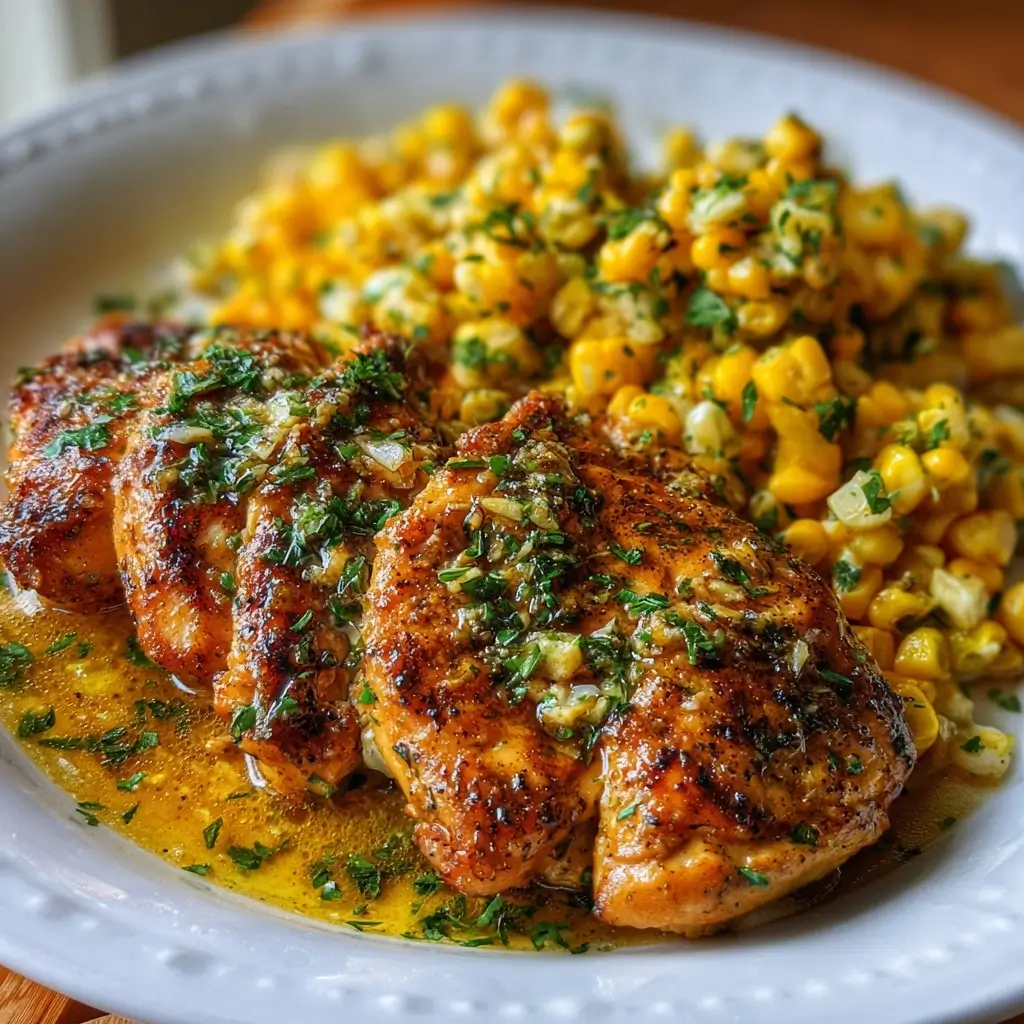
Garlic Butter Chicken and Corn is a soul-warming, restaurant-worthy dish that effortlessly bridges comfort food and gourmet simplicity. With its golden-brown seared chicken breasts nestled in a luxuriously aromatic sauce—infused with slow-simmered garlic, rich unsalted butter, fresh herbs, and sweet, tender corn kernels—it delivers layers of savory depth, natural sweetness, and creamy umami in every bite. Whether served over fluffy jasmine rice, creamy mashed potatoes, or alongside crusty artisan bread for sopping up every last drop, this dish appeals to weeknight warriors and weekend entertainers alike. Its balanced flavor profile—garlicky yet not overpowering, buttery but not greasy, sweet yet deeply savory—makes it universally beloved across age groups and culinary preferences. More than just a recipe, it’s an invitation to slow down, savor the alchemy of simple ingredients transformed through mindful technique, and reconnect with the joy of nourishing cooking.
The History
While Garlic Butter Chicken and Corn doesn’t trace back to a single documented origin like classical French or regional Asian cuisines, its roots are deeply embedded in the global evolution of pan-seared poultry preparations and the widespread culinary adoption of corn as a versatile, accessible staple. The technique of cooking chicken in garlic-infused butter echoes centuries-old European methods—particularly French à la meunière (flour-dusted, butter-browned proteins) and Italian pollo al burro e aglio, where butter and garlic serve as both cooking medium and primary seasoning. Meanwhile, sweet corn—domesticated over 9,000 years ago in southern Mexico—became a cornerstone ingredient across the Americas, later spreading globally via trade routes. In mid-20th-century American home kitchens, canned and frozen corn surged in popularity for convenience, often paired with proteins in skillet dinners. The fusion of these traditions—buttery, garlicky chicken meeting plump, caramelized corn—gained momentum in the 1980s and ’90s through cooking magazines, cable TV shows, and community cookbooks emphasizing approachable elegance. Today, the dish has been revitalized by food bloggers and social media chefs who spotlight its adaptability: roasted corn adds smokiness, grilled chicken lends charred nuance, and herbaceous finishes (like parsley, chives, or tarragon) elevate it into modern bistro territory—all while preserving its heartfelt, home-cooked essence.
Ingredients Breakdown
Every exceptional Garlic Butter Chicken and Corn dish begins with intentional, high-quality components—each playing a distinct functional and flavorful role:
- Chicken Breast or Thighs: Boneless, skinless chicken breasts offer lean tenderness and quick cooking; thighs provide richer flavor, juicier texture, and greater forgiveness against overcooking. Pounding to even thickness (½ inch) ensures uniform searing and prevents dryness.
- Unsalted Butter: The backbone of the sauce—unsalted allows precise sodium control. High-fat European-style butter (82–86% fat) yields superior browning, nutty aroma, and silkier emulsification. Clarified butter may be used for higher smoke point during initial sear, then finished with whole butter for flavor.
- Fresh Garlic: Always prefer freshly minced or crushed cloves over jarred or powdered. Enzymes activated upon cutting release allicin—the compound responsible for garlic’s pungent aroma and health benefits—which mellows beautifully when gently sautéed in butter.
- Corn Kernels: Fresh off-the-cob (peak summer), high-quality frozen (flash-frozen at peak ripeness), or well-drained canned corn all work—but fresh or frozen deliver superior sweetness and pop. Grilling or roasting corn first adds smoky complexity and deepens natural sugars via Maillard reaction.
- Aromatics & Herbs: Yellow onion or shallots build foundational sweetness; white or yellow wine adds acidity and depth (optional but recommended); fresh parsley provides bright, grassy contrast; optional thyme or rosemary contributes earthy resonance.
- Liquid Enhancers: Low-sodium chicken broth or stock intensifies savory notes without oversalting; a splash of lemon juice or apple cider vinegar balances richness at the finish.
- Seasonings: Fine sea salt and freshly ground black pepper are non-negotiable—not just for taste, but for proper protein hydration and surface browning. A pinch of smoked paprika or cayenne can add subtle warmth without heat.
Step-by-Step Recipe
- Prep the Chicken: Pat chicken dry thoroughly with paper towels—moisture is the enemy of sear. Season generously on both sides with salt and pepper. Lightly dust with all-purpose flour (optional but highly recommended for a golden crust and better sauce adhesion).
- Sear to Perfection: Heat a heavy-bottomed stainless steel or cast-iron skillet over medium-high heat. Add 1 tbsp neutral oil (avocado, grapeseed, or light olive oil). Once shimmering, place chicken in a single layer without crowding. Sear undisturbed for 5–6 minutes until deeply golden and easily releases from pan. Flip and cook 4–5 more minutes until internal temperature reaches 155°F (68°C). Transfer to a clean plate, tent loosely with foil, and rest for 5 minutes (carries temp to safe 165°F/74°C while retaining juices).
- Build the Aromatic Base: Reduce heat to medium-low. In same skillet, melt 3 tbsp unsalted butter. Add finely minced garlic and optional shallots/onion; sauté 1 minute until fragrant but not browned (garlic burns quickly—keep it pale gold). Stir in 1 tsp fresh thyme leaves (if using).
- Toast the Corn: Add corn kernels (fresh, thawed frozen, or drained canned) to the skillet. Cook 3–4 minutes, stirring occasionally, until edges begin to caramelize and develop light golden spots—this concentrates sweetness and adds textural interest.
- Deepen Flavor with Deglazing: Pour in ¼ cup dry white wine (e.g., Sauvignon Blanc or Pinot Grigio) or low-sodium chicken broth. Scrape vigorously with a wooden spoon to lift all browned fond—the flavor-packed “jus” stuck to the pan. Simmer 2 minutes until reduced by half.
- Emulsify the Sauce: Whisk in remaining 2 tbsp cold butter, one tablespoon at a time, allowing each to fully incorporate before adding the next. This creates a velvety, glossy, restaurant-quality sauce. Optional: stir in 1 tsp Dijon mustard for extra body and tang.
- Finish & Rest: Return rested chicken to skillet, spooning sauce over top. Simmer gently for 1–2 minutes to warm through. Remove from heat. Stir in 2 tbsp freshly chopped flat-leaf parsley, a squeeze of lemon juice (½ tsp), and freshly cracked black pepper. Let rest 2 minutes—allows sauce to settle and flavors to marry.
- Serve Immediately: Spoon chicken and corn generously over your chosen base (steamed rice, buttered egg noodles, polenta, or crusty bread). Garnish with extra parsley, lemon zest, and a flaky sea salt finish like Maldon.
Tips
- Dry Chicken = Better Sear: Never skip thorough drying—even residual moisture creates steam instead of crisp browning. For ultra-tender results, brine chicken 30 minutes in 1 quart cold water + 2 tbsp kosher salt + 1 tbsp sugar before cooking.
- Control Garlic Burn: Add garlic *after* onions soften—or use sliced garlic and remove it once fragrant. Alternatively, infuse butter with garlic ahead of time and strain before final sauce assembly.
- Better Butter Technique: For maximum richness and safety, clarify butter for searing, then enrich final sauce with whole butter. Or use ghee for high-heat stability and nutty notes.
- Corn Texture Matters: If using frozen corn, do not thaw—add straight from freezer to hot pan to encourage rapid evaporation and caramelization. For canned corn, rinse well and pat dry to avoid diluting sauce.
- Sauce Consistency Mastery: Too thin? Simmer 1–2 extra minutes or add ½ tsp cornstarch slurry (mixed with cold water). Too thick? Whisk in 1–2 tsp warm broth or lemon juice, a drop at a time.
- Resting Is Non-Negotiable: Skipping the 5-minute chicken rest causes juices to flood out upon slicing. Resting redistributes moisture internally—yielding succulent, sliceable meat.
- Pan Choice Impacts Results: Stainless steel gives best fond for deglazing; cast iron retains heat beautifully for even sear; nonstick won’t develop fond—so skip deglazing unless using broth only.
- Herb Timing: Delicate herbs like parsley, chives, and basil must be added at the very end to preserve freshness. Hardy herbs (rosemary, thyme, oregano) benefit from early addition to bloom their oils.
- Acid Balance: Taste sauce before serving—if rich and heavy, a touch of acid (lemon, lime, vinegar) lifts and refreshes. Underseasoned? Salt enhances sweetness of corn and savoriness of chicken.
- Make-Ahead Strategy: Prep chicken, mince garlic, cut herbs, and portion corn the night before. Store separately in airtight containers. Sear and finish day-of in under 20 minutes.
Variations and Customizations
This dish is a canvas for creativity—adaptable to dietary needs, seasonal produce, pantry staples, and global flavor profiles:
- Spicy Southwest Style: Add 1 diced jalapeño (seeds removed) with garlic, 1 tsp ground cumin, ½ tsp chipotle powder, and top with crumbled queso fresco, avocado slices, and pickled red onions.
- Mediterranean Twist: Replace corn with blanched baby zucchini ribbons or cherry tomatoes; use lemon zest + oregano + kalamata olives; finish with crumbled feta and toasted pine nuts.
- Asian-Inspired Umami Boost: Swap butter for toasted sesame oil + neutral oil blend; use minced ginger + garlic; deglaze with mirin + tamari; garnish with scallions, sesame seeds, and chili crisp.
- Creamy Herb Version: Stir in 2 tbsp full-fat coconut milk or crème fraîche at the end; add dill + chives + tarragon; pair with buttered farro or roasted cauliflower rice.
- Grilled & Smoky: Grill chicken and corn separately over charcoal or gas grill until marked and slightly charred, then chop and combine in warm garlic butter sauce.
- Dairy-Free / Vegan Adaptation: Use high-quality vegan butter (Miyoko’s or Earth Balance), nutritional yeast for umami, and vegetable broth. Substitute chicken with marinated, pan-seared tofu or tempeh cubes.
- Keto / Low-Carb Friendly: Double the butter, omit corn entirely or replace with riced cauliflower sautéed until tender-crisp; increase herbs and lemon for volume and brightness.
- Gluten-Free Assurance: Skip flour dredge or use certified GF all-purpose blend or almond flour; verify broth and wine are GF-certified (most are, but always check labels).
- Sheet Pan Baked Version: Toss chicken and corn with olive oil, garlic paste, herbs, salt, and pepper; roast at 425°F (220°C) for 20–25 minutes until chicken is cooked and corn is blistered. Drizzle with melted garlic butter and fresh herbs before serving.
- Meal-Prep Friendly Batch: Double the recipe and portion into glass containers—sauce thickens slightly when chilled; reheat gently on stovetop with splash of broth to revive silkiness. Holds beautifully for 4 days refrigerated or 3 months frozen.
Health Considerations and Nutritional Value
A 1-serving portion (one 6-oz chicken breast, ¾ cup corn, 3 tbsp butter, aromatics, herbs, and minimal oil) delivers approximately 480–520 calories, with thoughtful nutritional balance:
- Protein Powerhouse: Chicken provides ~42g high-biological-value protein—complete with all 9 essential amino acids—supporting muscle maintenance, satiety, and metabolic health.
- Smart Fats: Butter contributes saturated fat (≈18g/serving), but also contains beneficial compounds like butyrate (anti-inflammatory), vitamin K2 (bone/cardiovascular support), and conjugated linoleic acid (CLA). When consumed in moderation as part of a varied diet, it supports hormone production and nutrient absorption.
- Corn’s Nutrient Density: Often underestimated, corn is a good source of lutein and zeaxanthin (eye-protective carotenoids), B vitamins (especially folate and thiamine), magnesium, and dietary fiber (~2.5g per ¾ cup). Yellow varieties offer beta-carotene, while blue/purple corn contains anthocyanins—potent antioxidants.
- Garlic Benefits: Rich in allicin (especially when crushed and rested 10 minutes pre-cooking), garlic supports cardiovascular health, immune modulation, and exhibits antimicrobial properties.
- Dietary Flexibility: Naturally gluten-free and dairy-modifiable, this dish aligns with paleo (using ghee), Mediterranean, and flexitarian patterns. To reduce sodium, rely on herbs, citrus, and umami-rich ingredients (mushrooms, tomato paste) instead of added salt.
- Considerations: Those managing cholesterol may opt for half butter/half olive oil; individuals with lactose sensitivity can use clarified butter (ghee) or dairy-free alternatives; those monitoring blood sugar should note corn’s moderate glycemic load (~15)—pairing with ample protein and fat helps stabilize glucose response.
- Maximizing Wellness: Boost phytonutrient diversity by adding spinach or kale in the last 2 minutes of cooking; use pasture-raised chicken and organic corn when possible for enhanced omega-3s and reduced pesticide load.
Ingredients
- 2 boneless, skinless chicken breasts (about 1 lb / 450g), pounded to ½-inch thickness
- 1 tsp fine sea salt (plus more to taste)
- 1 tsp freshly ground black pepper (plus more to taste)
- 2 tbsp all-purpose flour (or gluten-free 1:1 blend)
- 1 tbsp high-smoke-point oil (avocado, grapeseed, or light olive oil)
- 5 tbsp unsalted butter, divided (3 tbsp + 2 tbsp)
- 4 large garlic cloves, finely minced (≈1½ tbsp)
- ½ small yellow onion or 2 shallots, finely diced (optional, for depth)
- 1½ cups fresh, frozen (unthawed), or well-drained canned corn kernels
- ¼ cup dry white wine (e.g., Sauvignon Blanc) OR low-sodium chicken broth
- ¼ cup low-sodium chicken broth (if not using wine)
- 1 tsp fresh thyme leaves (or ½ tsp dried)
- 2 tbsp fresh flat-leaf parsley, finely chopped (plus extra for garnish)
- ½ tsp fresh lemon juice (about ¼ of a lemon)
- Optional: 1 tsp Dijon mustard, lemon zest, flaky sea salt for finishing
Directions
- Place chicken breasts between two sheets of parchment or plastic wrap. Using a meat mallet or heavy skillet, pound evenly to ½-inch thickness. Pat completely dry with paper towels.
- In a small bowl, combine salt and pepper. Season both sides of chicken generously. Lightly dust with flour, shaking off excess.
- Heat a 12-inch stainless steel or cast-iron skillet over medium-high heat. Add oil and swirl to coat. Once oil shimmers (about 1 minute), carefully place chicken in pan without crowding. Press gently with spatula for even contact. Sear undisturbed for 5–6 minutes until deeply golden brown and easily releases. Flip and cook 4–5 minutes more until internal temperature reads 155°F (68°C). Transfer to a plate, tent with foil, and rest 5 minutes.
- Reduce heat to medium-low. Add 3 tbsp butter to same skillet. Once melted, add garlic (and onion/shallots if using). Sauté 60–90 seconds until fragrant and just beginning to turn pale gold—do not brown.
- Add corn kernels. Cook 3–4 minutes, stirring occasionally, until some kernels develop light golden edges and scent turns sweet and toasted.
- Pour in wine (or broth), immediately scraping bottom of pan with wooden spoon to loosen all browned bits. Simmer 2 minutes until liquid reduces by half.
- Reduce heat to low. Whisk in remaining 2 tbsp cold butter, one tablespoon at a time, waiting until each is fully melted and incorporated before adding the next. Sauce should become glossy and slightly thickened.
- Optional: Whisk in Dijon mustard for extra depth and emulsion stability.
- Return rested chicken to skillet, nestling into corn and sauce. Spoon sauce over chicken. Gently simmer 1–2 minutes to warm through.
- Remove from heat. Stir in chopped parsley, lemon juice, and freshly cracked black pepper. Let sit 2 minutes.
- Serve immediately over steamed rice, buttered noodles, mashed potatoes, or crusty bread. Garnish with extra parsley, lemon zest, and flaky sea salt.
FAQ
- Can I use chicken thighs instead of breasts?
- Absolutely—and many chefs prefer them! Thighs are more forgiving, richer in flavor, and stay juicier. Adjust sear time: 6–7 minutes per side for boneless, skinless thighs (target 165°F/74°C). They also benefit from slightly longer resting (7 minutes).
- Why does my garlic burn every time?
- Gabriel burns because it’s added too early or over too-high heat. Always reduce heat to medium-low *before* adding butter, then add garlic *after* butter melts—never to hot oil alone. Stir constantly. If unsure, add garlic with onions or use sliced garlic and remove after 1 minute.
- Can I make this ahead and reheat?
- Yes—with caveats. Cooked chicken and sauce freeze well for up to 3 months (omit fresh herbs until reheating). Reheat gently on stove with 1–2 tsp broth to restore silkiness. Avoid microwaving uncovered—it dries chicken and breaks the emulsion.
- Is corn healthy, or is it just empty carbs?
- Corn is a nutrient-dense whole grain and vegetable hybrid. It provides fiber, B vitamins, magnesium, potassium, and antioxidant carotenoids. While higher in natural sugars than leafy greens, its glycemic load is moderate—especially when paired with protein and fat as in this dish.
- What wine should I use if I don’t drink alcohol?
- Use low-sodium chicken or vegetable broth. For complexity, add ½ tsp white wine vinegar or apple cider vinegar + ¼ tsp sugar to mimic wine’s balance. Non-alcoholic white wine also works well.
- My sauce broke—how do I fix it?
- A broken sauce means the emulsion separated (butter pools). Whisk in 1 tsp warm broth or lemon juice, a few drops at a time, while vigorously whisking. Alternatively, blend with 1 tsp cold butter in a blender on low until smooth.
- Can I air-fry the chicken instead of pan-searing?
- Yes! Pat chicken dry, season, spray lightly with oil, and air-fry at 375°F (190°C) for 12–14 minutes, flipping halfway, until 155°F. Finish in skillet with sauce as directed—just skip initial sear step.
- How do I get restaurant-level browning on chicken?
- Three keys: 1) Dry chicken thoroughly, 2) Preheat pan until oil shimmers (not smoking), 3) Don’t move chicken for full first sear—let the Maillard reaction create that crust. A cast-iron or stainless steel pan is ideal.
- Can I double this recipe?
- Easily—just use a larger skillet (14-inch) or cook in batches. Do not overcrowd the pan during sear, or chicken will steam instead of brown. You can keep cooked chicken warm in a 200°F (95°C) oven while finishing sauce.
- What sides go best with Garlic Butter Chicken and Corn?
- Classic pairings include jasmine or basmati rice, buttered egg noodles, creamy polenta, roasted sweet potatoes, garlic mashed potatoes, or a crisp green salad with lemon vinaigrette. Crusty bread is mandatory for sauce-mopping!
Summary
Garlic Butter Chicken and Corn is a masterclass in elegant simplicity—where humble ingredients transform through technique into a harmonious, deeply satisfying meal rich in savory umami, natural sweetness, and velvety texture. With customizable variations, smart nutrition, and foolproof execution, it’s a timeless dish that nurtures both body and spirit, night after comforting night.