Introduction
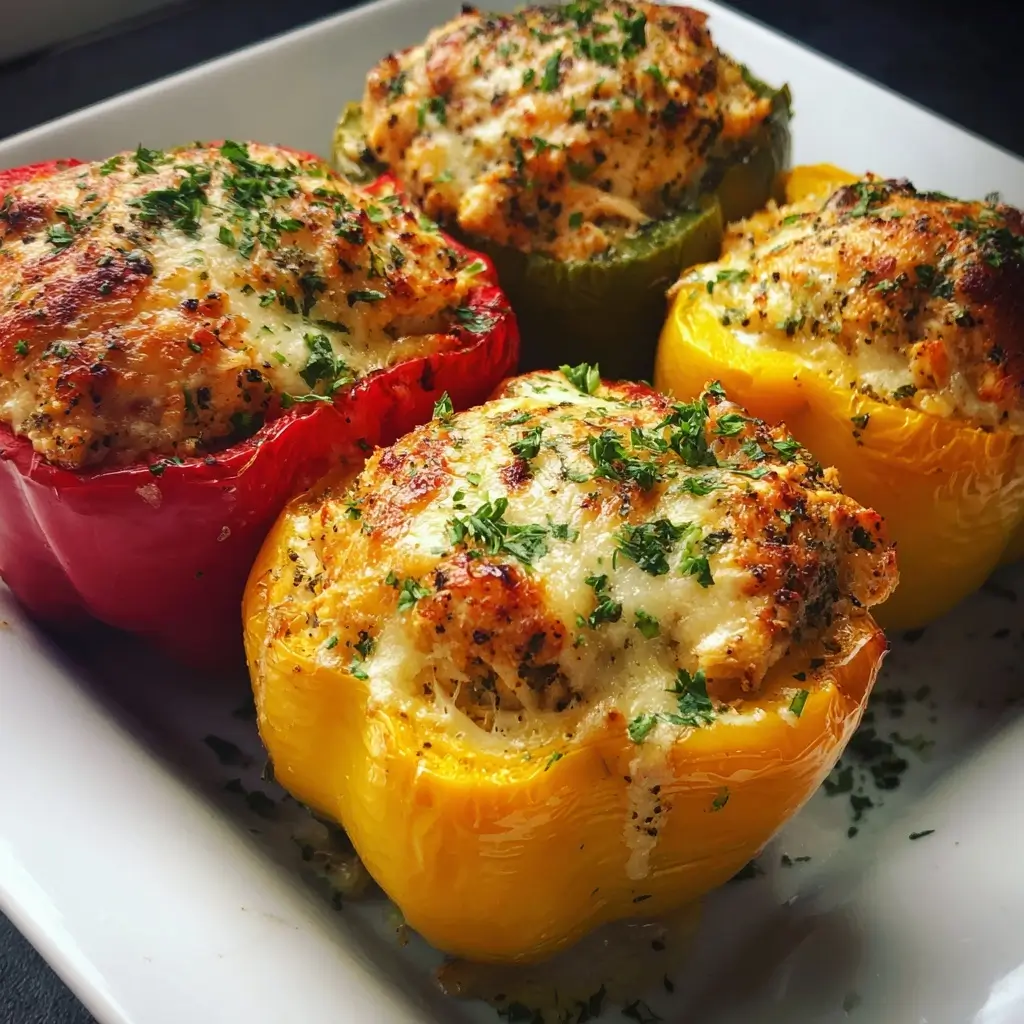
Garlic Butter Chicken Stuffed Peppers are a vibrant, flavorful, and nutritionally balanced one-dish meal that seamlessly marries the hearty satisfaction of stuffed peppers with the rich, aromatic depth of garlic butter chicken. This modern twist on a classic American favorite transforms humble bell peppers into colorful, edible bowls brimming with tender shredded or diced chicken, savory sautéed aromatics, creamy melted cheese, and a luxurious garlic-butter glaze that infuses every bite with golden richness. Whether you’re meal prepping for the week, hosting a casual dinner party, or simply craving something both comforting and elegant, this dish delivers bold taste, impressive presentation, and surprising versatility—all while being naturally gluten-free (with simple substitutions) and easily adaptable to dietary preferences.
The History
Stuffed peppers trace their roots back centuries across multiple continents—from Eastern European borscht-inspired cabbage and pepper fillings, to Mediterranean dolmas made with grape leaves and peppers, and Latin American chiles rellenos featuring roasted poblano peppers filled with cheese, meat, or picadillo. In the United States, stuffed bell peppers gained widespread popularity during the mid-20th century as part of the “casserole culture” boom—valued for their make-ahead convenience, economical use of ground beef or rice, and family-friendly appeal. The fusion with garlic butter chicken, however, is a relatively recent culinary evolution—emerging in the 2010s alongside the viral rise of restaurant-style garlic butter sauces (think shrimp scampi, garlic butter steak bites, and copycat Cheesecake Factory recipes). Food bloggers and home chefs began experimenting by replacing traditional tomato-based or cream-of-mushroom fillings with luxuriously seasoned, pan-seared chicken tossed in slow-simmered garlic butter, elevating the dish from nostalgic comfort food to gourmet weeknight elegance. Today, Garlic Butter Chicken Stuffed Peppers represent a harmonious cross-cultural synthesis: the structural integrity and nutritional brightness of the Mediterranean pepper tradition meets the decadent umami-forward sensibility of contemporary American bistro cooking.
Ingredients Breakdown
Every component in this recipe serves a distinct sensory and functional purpose—no ingredient is arbitrary. Below is an in-depth analysis of why each element matters:
- Bell Peppers (4 large, mixed colors): Choose firm, glossy, heavy-for-their-size peppers with taut, unwrinkled skin. Red, yellow, and orange peppers offer peak sweetness and higher vitamin C and A content than green (which are less ripe and more bitter). Their thick walls hold up beautifully to roasting and stuffing without collapsing, while their natural hollow cavity creates the perfect edible vessel. Roasting them first enhances caramelization, deepens flavor, and softens texture just enough for fork-tenderness.
- Boneless, Skinless Chicken Breasts or Thighs (1.5 lbs): Chicken thighs are preferred for superior moisture retention, richer flavor, and forgiving cook time—but breasts work well if not overcooked. Poaching, slow-simmering, or pressure-cooking yields ultra-tender, shred-ready meat that absorbs seasonings deeply. Avoid pre-shredded rotisserie chicken unless freshly made; many store-bought versions contain phosphates and excess sodium that mute garlic butter’s nuance.
- Unsalted Butter (½ cup / 1 stick): High-quality, European-style unsalted butter (82–86% fat) provides the foundational richness, mouth-coating texture, and clean dairy flavor essential for authentic garlic butter. Salted butter introduces unpredictable salinity—especially critical when layering seasoning throughout the dish.
- Fresh Garlic (8–10 cloves, finely minced): Freshly minced—not jarred or powdered—is non-negotiable. Allicin, the compound responsible for garlic’s pungent aroma and health benefits, is activated upon crushing and peaks within minutes. Slow-cooking the garlic in butter (rather than high-heat frying) mellows its sharpness into sweet, nutty complexity while preventing bitterness.
- Dry White Wine (¼ cup, e.g., Sauvignon Blanc or Pinot Grigio): Adds bright acidity and subtle fruit notes that cut through the butter’s richness and deglaze the pan to lift flavorful browned bits (fond). Alcohol fully evaporates during simmering, leaving only aromatic depth. Substitute low-sodium chicken broth if avoiding alcohol—but note the slight loss of brightness.
- Heavy Cream (⅓ cup): Provides velvety body, stabilizes the emulsion, and prevents the sauce from breaking. Its high fat content ensures the garlic butter clings luxuriously to every strand of chicken and pepper interior. Light cream or half-and-half may curdle or yield a thin, watery consistency.
- Grated Parmesan Cheese (½ cup, freshly grated): Adds umami punch, salty complexity, and a subtle nuttiness. Pre-grated versions contain anti-caking agents (e.g., cellulose) that hinder melting and create graininess. For maximum impact, use Parmigiano-Reggiano DOP-certified.
- Shredded Mozzarella or Provolone (1 cup): Melts smoothly, creating gooey stretch and mild background creaminess that complements—not competes with—the garlic butter. Low-moisture mozzarella is ideal for superior browning and minimal weeping.
- Aromatics & Herbs: Yellow onion (1 small, finely diced), celery (1 stalk, finely diced), red bell pepper (½, finely diced): The “Holy Trinity” base builds savory depth and textural contrast. Sautéing until translucent (not browned) preserves sweetness and prevents bitterness. Fresh parsley (¼ cup, chopped) added at the end delivers herbal freshness and visual pop.
- Spices & Seasonings: Smoked paprika (1 tsp), dried oregano (½ tsp), onion powder (½ tsp), garlic powder (¼ tsp), cayenne (pinch, optional), kosher salt, and freshly ground black pepper: Smoked paprika contributes earthy warmth without heat; oregano adds Mediterranean resonance; onion/garlic powders reinforce—but never replace—fresh counterparts; cayenne offers subtle back-end lift. Always season in layers: lightly on raw chicken, robustly in the sauté, and finally to taste in the finished filling.
Step-by-Step Recipe
- Prep & Par-Roast the Peppers: Preheat oven to 400°F (200°C). Slice tops off 4 large bell peppers (reserve tops); carefully remove seeds and white membranes. Rub exteriors lightly with olive oil, sprinkle with salt and pepper. Place upright in a baking dish with ¼ inch water at the bottom. Cover tightly with foil and roast for 25 minutes. Remove foil and continue roasting 10–15 minutes until skins are slightly blistered and peppers are pliable but still hold shape. Cool slightly—handle with tongs.
- Cook & Shred the Chicken: In a medium saucepan, combine 1.5 lbs chicken (breasts or thighs), 4 cups low-sodium chicken broth, 1 bay leaf, 3 peppercorns, and 1 tsp salt. Bring to a gentle simmer over medium-low heat. Reduce heat to lowest setting, cover, and poach 15–18 minutes (breasts) or 20–22 minutes (thighs) until internal temp reaches 165°F (74°C). Transfer chicken to a cutting board; let rest 5 minutes, then shred finely with two forks. Reserve 1 cup broth for sauce.
- Build the Garlic Butter Sauce: In a large skillet over medium-low heat, melt ½ cup unsalted butter. Add 8–10 finely minced garlic cloves; stir constantly 2–3 minutes until fragrant and pale gold (do NOT brown). Add ¼ cup dry white wine; simmer 1 minute to reduce by half. Stir in reserved 1 cup chicken broth, ⅓ cup heavy cream, ½ cup freshly grated Parmesan, 1 tsp smoked paprika, ½ tsp dried oregano, ½ tsp onion powder, ¼ tsp garlic powder, pinch cayenne, 1 tsp kosher salt, and ½ tsp black pepper. Simmer gently 5–7 minutes until slightly thickened and cohesive. Remove from heat.
- Sauté the Aromatics: In same skillet (wipe if needed), heat 1 tbsp olive oil over medium heat. Add 1 small diced yellow onion, 1 diced celery stalk, and ½ diced red bell pepper. Sauté 6–8 minutes until softened and translucent. Stir in 2 tbsp tomato paste; cook 1 minute to deepen flavor. Remove from heat.
- Combine Filling: In a large mixing bowl, combine shredded chicken, garlic butter sauce, sautéed aromatics, 1 cup shredded mozzarella/provolone, and ¼ cup fresh parsley. Gently fold until evenly coated and creamy. Taste and adjust seasoning—add lemon zest or a splash of lemon juice here for brightness if desired.
- Stuff & Finish Baking: Spoon filling generously into par-roasted peppers, mounding slightly. Place upright in baking dish. Optional: drizzle tops with extra melted butter or olive oil. Bake uncovered at 375°F (190°C) for 20–25 minutes until filling is bubbling, cheese is golden, and peppers are fork-tender. For extra browning, broil 2–3 minutes at the end—watch closely.
- Rest & Serve: Let peppers rest 5–7 minutes before serving—this allows filling to set and prevents spillage. Garnish with extra parsley, lemon wedges, microgreens, or a final swirl of garlic butter. Serve with crusty bread for soaking up juices or a simple arugula-lemon salad.
Tips
- Selecting Peppers: Choose peppers with flat, stable bases so they stand upright in the baking dish. If bottoms are uneven, slice a *tiny* amount off the very bottom—just enough for balance—to avoid leakage. Avoid overly thin-walled peppers, which become mushy.
- Chicken Texture Mastery: For ultra-tender chicken, consider sous-vide (145°F for 1.5 hours) or Instant Pot (high pressure 12 mins + natural release). Overcooking is the #1 cause of dry filling—use a meat thermometer religiously.
- GaRlic Butter Emulsion Science: To prevent separation, keep heat at medium-low when combining butter and cream. If sauce breaks, whisk in 1 tsp cold water or lemon juice off-heat—it will re-emulsify instantly.
- Make-Ahead Magic: Assemble peppers up to 24 hours ahead; refrigerate covered. Add 5–8 minutes to bake time if going straight from fridge. Filling alone keeps refrigerated for 4 days or frozen for 3 months—thaw overnight before stuffing.
- Roasting vs. Blanching: Roasting (as directed) yields sweeter, more complex peppers than blanching. However, if short on time: blanch peppers in boiling salted water for 4 minutes, then shock in ice water. Pat *extremely* dry before stuffing to prevent sogginess.
- Cheese Strategy: Layer cheeses: mix mozzarella into filling for melt, then top stuffed peppers with extra Parmesan and a light sprinkle of sharp cheddar for color and tang before final bake.
- Flavor Layering Secret: Toast whole cumin or coriander seeds in the empty skillet before sautéing aromatics—cool slightly, then grind. Add ¼ tsp to filling for warm, earthy dimension that pairs surprisingly well with garlic butter.
- Serving Temperature Precision: Serve immediately after resting—stuffed peppers cool quickly and lose textural contrast. Have plates warmed in a low oven (200°F) for optimal experience.
Variations and Customizations
Protein Swaps
- Shrimp & Scallop Version: Replace chicken with 1 lb wild-caught shrimp (peeled/deveined) and ½ lb bay scallops. Sear 2 minutes per side in garlic butter, then fold in. Add lemon zest and dill instead of parsley.
- Plant-Powered “Chicken”: Use 1.5 cups cooked, crumbled tempeh or seitan marinated in soy sauce, liquid smoke, and nutritional yeast. Sauté until crisp-edged before combining with garlic butter sauce.
- Ground Turkey/Sausage Blend: Brown 1 lb lean ground turkey with ½ lb Italian sausage (mild or hot). Drain fat thoroughly, then proceed with garlic butter sauce—omit poaching step.
Dietary Adaptations
- Keto/Low-Carb: Increase healthy fats—add ¼ cup toasted pine nuts or slivered almonds to filling; substitute cauliflower rice for part of the chicken volume; use full-fat dairy only.
- Dairy-Free: Replace butter with high-heat avocado oil + 2 tbsp nutritional yeast; swap cream for full-fat coconut milk (lite version causes separation); use vegan mozzarella shreds and nutritional yeast “Parmesan.”
- Paleo/Whole30: Omit dairy entirely. Use ghee instead of butter, coconut cream instead of dairy cream, and skip cheese. Boost umami with sun-dried tomatoes (oil-packed, chopped) and extra herbs.
- Gluten-Free: Naturally GF—just verify broth and spice labels for hidden gluten. Thicken sauce with 1 tsp arrowroot slurry if needed.
Global Flavor Twists
- Mediterranean: Add ⅓ cup chopped kalamata olives, 2 tbsp capers, 1 tsp lemon zest, and crumbled feta instead of mozzarella.
- Tex-Mex: Stir in 1 chipotle in adobo (minced), 1 tsp cumin, ¼ cup corn, black beans, and top with pepper jack cheese and cilantro.
- Asian-Inspired: Swap white wine for dry sherry; add 1 tbsp grated ginger, 2 tsp tamari, 1 tsp sesame oil, and top with scallions and toasted sesame seeds.
- Herbes de Provence: Replace oregano with 1 tsp herbes de Provence blend; add 2 tbsp dried lavender buds (culinary grade) and 1 tbsp honey to sauce.
Health Considerations and Nutritional Value
Garlic Butter Chicken Stuffed Peppers offer a well-rounded nutrient profile when prepared mindfully. A single serving (1 stuffed medium pepper) contains approximately 420–480 calories, with 38–42g protein (supporting muscle maintenance and satiety), 22–26g healthy fats (primarily from butter, olive oil, and cheese), and 18–22g carbohydrates—of which 5–7g are dietary fiber from the bell pepper itself (nearly 25% of daily needs). Bell peppers are exceptionally rich in vitamin C (over 200% DV per pepper), vitamin A (via beta-carotene), folate, potassium, and antioxidants like lycopene and quercetin—linked to reduced inflammation and cardiovascular protection.
The garlic component shines for its bioactive compounds: allicin (antimicrobial, blood-pressure modulating), diallyl sulfides (liver detox support), and ajoene (antiplatelet activity). Butter contributes butyrate (gut-health promoting), vitamin K2 (for bone and arterial health), and conjugated linoleic acid (CLA)—though moderation remains key. Using pasture-raised butter and organic, antibiotic-free chicken further enhances omega-3 ratios and reduces pesticide load.
To optimize health impact: reduce sodium by omitting added salt in broth and using no-salt-added spices; increase fiber by adding ¼ cup cooked lentils or quinoa to the filling; boost phytonutrients with extra diced zucchini or spinach folded in at the end; and serve alongside fermented sides (e.g., sauerkraut) to enhance gut microbiome diversity. Those managing cholesterol should prioritize chicken thighs (higher in heart-healthy monounsaturated fats) over breast and limit total saturated fat to <10% of daily calories—achievable by using ⅓ cup butter instead of ½ and opting for part-skim mozzarella.
Ingredients
- 4 large bell peppers (red, yellow, orange, or mixed), tops sliced off and reserved, seeds/membranes removed
- 1.5 lbs boneless, skinless chicken breasts or thighs
- 4 cups low-sodium chicken broth (divided)
- 1 bay leaf
- 3 whole black peppercorns
- ½ cup (1 stick) unsalted butter, high-quality
- 8–10 large garlic cloves, finely minced
- ¼ cup dry white wine (e.g., Sauvignon Blanc)
- ⅓ cup heavy cream (full-fat)
- ½ cup freshly grated Parmesan cheese (Parmigiano-Reggiano preferred)
- 1 cup shredded low-moisture mozzarella or provolone cheese
- 1 small yellow onion, finely diced
- 1 celery stalk, finely diced
- ½ red bell pepper, finely diced
- 2 tablespoons tomato paste
- 1 teaspoon smoked paprika
- ½ teaspoon dried oregano
- ½ teaspoon onion powder
- ¼ teaspoon garlic powder
- Pinch of cayenne pepper (optional)
- 1½ teaspoons kosher salt (plus more to taste)
- ½ teaspoon freshly ground black pepper (plus more to taste)
- ¼ cup fresh flat-leaf parsley, finely chopped
- Olive oil, for roasting and sautéing
- Lemon wedges and extra parsley, for garnish
Directions
- Preheat oven to 400°F (200°C). Prepare peppers: slice off tops, remove seeds and membranes, rub outsides lightly with olive oil, season with salt and pepper. Place upright in a 9×13-inch baking dish with ¼ inch water. Cover tightly with aluminum foil and bake 25 minutes. Uncover and bake 10–15 minutes longer until peppers are tender but still hold shape. Remove and cool slightly.
- While peppers roast, prepare chicken: In a medium saucepan, combine chicken, 4 cups chicken broth, bay leaf, peppercorns, and 1 tsp salt. Bring to a gentle simmer over medium-low heat. Reduce heat to lowest setting, cover, and poach 15–22 minutes (depending on cut) until internal temperature reaches 165°F (74°C). Remove chicken, reserve 1 cup broth, and shred meat finely with two forks.
- In a large skillet over medium-low heat, melt butter. Add minced garlic and stir constantly 2–3 minutes until fragrant and pale gold. Add wine; simmer 1 minute. Stir in reserved broth, heavy cream, Parmesan, smoked paprika, oregano, onion powder, garlic powder, cayenne, 1 tsp salt, and ½ tsp black pepper. Simmer gently 5–7 minutes until slightly thickened. Remove from heat.
- In same skillet (wipe if needed), heat 1 tbsp olive oil over medium heat. Add onion, celery, and diced red pepper; sauté 6–8 minutes until soft. Stir in tomato paste; cook 1 minute. Remove from heat.
- In a large bowl, combine shredded chicken, garlic butter sauce, sautéed vegetables, 1 cup mozzarella/provolone, and ¼ cup parsley. Fold gently until fully incorporated and creamy. Taste and adjust seasoning.
- Spoon filling generously into roasted peppers, mounding slightly. Place upright in baking dish. Optional: brush tops with olive oil or melted butter.
- Reduce oven temperature to 375°F (190°C). Bake uncovered 20–25 minutes until filling is bubbling and cheese is golden. For deeper browning, broil 2–3 minutes—watch closely.
- Let rest 5–7 minutes before serving. Garnish with lemon wedges, extra parsley, or microgreens. Serve immediately.
FAQ
- Can I use frozen peppers?
- No—frozen bell peppers release excessive water when thawed and baked, resulting in soggy, broken vessels. Always use fresh, firm peppers for structural integrity.
- Why does my garlic butter sauce break or look greasy?
- This usually occurs from overheating (causing butter to separate) or adding cold dairy to hot butter. Keep heat low, warm cream slightly before adding, and whisk constantly. If broken, whisk in 1 tsp cold water or lemon juice off-heat to re-emulsify.
- Can I make these ahead and freeze?
- Yes! Fully assembled, unbaked peppers freeze well for up to 3 months. Thaw overnight in refrigerator, then bake as directed—add 8–10 minutes to bake time. Filling-only freezes for 3 months; thaw and reheat gently before stuffing.
- What can I use instead of white wine?
- Low-sodium chicken broth works, but adds less brightness. For complexity, try 2 tbsp apple cider vinegar + 2 tbsp broth, or ¼ cup unsweetened apple juice. Avoid cooking wines—they contain salt and preservatives.
- My peppers are leaking juice during baking—what went wrong?
- Peppers were likely over-roasted (walls too soft) or not patted dry before stuffing. Also check for tiny punctures near stems—trim any damaged areas before roasting. A shallow baking dish helps contain minor leaks.
- How do I get maximum garlic flavor without bitterness?
- Use fresh, young garlic (firm cloves, tight skin). Mince finely to maximize surface area. Cook slowly in butter—not oil—over medium-low heat until pale gold, never brown. Browning creates acrid, harsh notes.
- Are the pepper tops edible?
- Absolutely! Finely dice them and sauté with the aromatics for zero waste and added sweetness. Or roast alongside the peppers and serve as a garnish.
- Can I air-fry these?
- Yes—with adjustments. Par-roast peppers as directed. Stuff and place upright in air fryer basket (use silicone cupcake liners for stability). Air fry at 375°F for 12–15 minutes, rotating halfway, until cheese bubbles and browns. Broil 1–2 minutes for finish.
- Why does the recipe call for both fresh and powdered garlic/onion?
- Fresh provides volatile aromatic compounds and bright top notes; powders deliver stable, deep, savory undertones that survive long cooking. They complement—not duplicate—each other.
- What sides pair best with this dish?
- Light, acidic sides balance the richness: lemon-dressed arugula salad, chilled cucumber-dill yogurt, roasted asparagus with lemon zest, or crusty sourdough with garlic herb butter. Avoid heavy starches unless desired—these peppers are already deeply satisfying.
Summary
Garlic Butter Chicken Stuffed Peppers are a masterclass in layered flavor, vibrant nutrition, and customizable elegance—uniting tender herb-infused chicken, velvety roasted peppers, and a luxuriously aromatic garlic-butter sauce enriched with Parmesan and melty cheese.
With make-ahead flexibility, global adaptation potential, and science-backed health benefits—from antioxidant-rich peppers to gut-supportive garlic compounds—this dish transcends weeknight dinner to become a cherished, nourishing centerpiece for any table.