Introduction
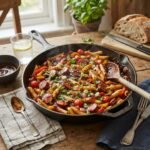
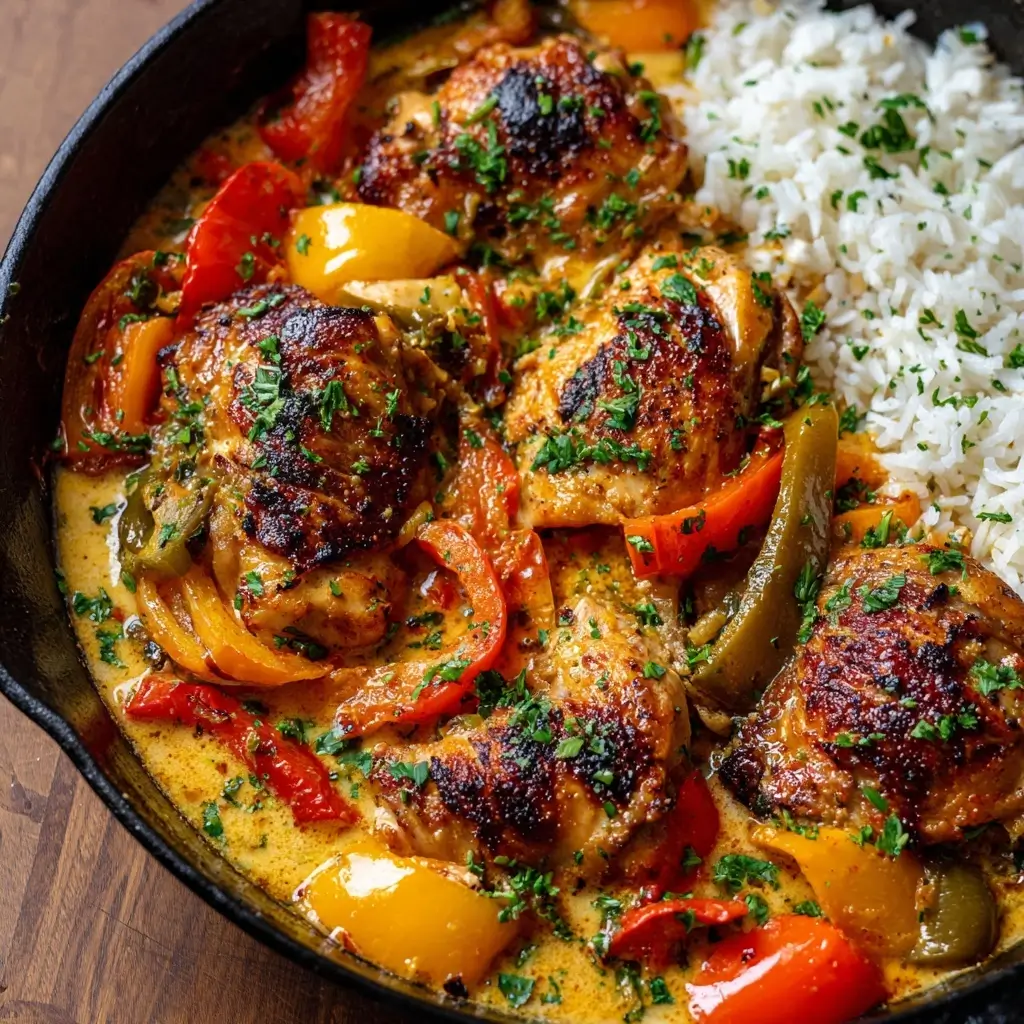
Garlic Butter Chicken and Bell Peppers is a vibrant, restaurant-worthy dish that effortlessly bridges comfort food and gourmet appeal. With its golden-brown seared chicken breasts nestled among crisp-tender bell peppers—sautéed in a rich, aromatic garlic butter sauce—it delivers layers of savory depth, subtle sweetness, and a luxurious mouthfeel. This one-pan wonder is not only visually stunning (with its rainbow of red, yellow, and green peppers) but also incredibly versatile: equally at home on a weeknight dinner table, as part of a date-night menu, or even adapted for meal prep with minimal compromise on flavor or texture. Its simplicity belies its sophistication—every bite sings with the pungent warmth of fresh garlic, the nutty richness of browned butter, the bright acidity of lemon, and the clean vegetal crunch of peak-season peppers.
The History
While there’s no single documented “origin story” for Garlic Butter Chicken and Bell Peppers as a named dish, its roots run deep through multiple culinary traditions. The marriage of chicken and bell peppers traces back to early 20th-century American home cooking, where sweet peppers—introduced to Europe after Columbus’s voyages and later cultivated widely in the U.S.—became pantry staples for their versatility and nutritional value. Garlic butter, meanwhile, has centuries-old lineage: French beurre composé (compound butter) techniques, Italian burro aglio, and Mediterranean sautéing traditions all celebrate the transformative power of garlic-infused butter. In mid-century American cookbooks and TV cooking shows, “chicken with peppers and onions” appeared frequently as a budget-friendly, family-style skillet meal. The modern iteration—elevated with high-heat searing, clarified or cultured butter for better browning, fresh herbs, and citrus finish—gained traction in the 2010s via food blogs and social media, where its photogenic color contrast and quick-cook appeal made it a viral favorite. Today, it stands as a global fusion classic: embodying French technique, Mediterranean ingredients, and American practicality—all unified by the timeless allure of garlic and butter.
Ingredients Breakdown
Understanding each ingredient’s role unlocks greater control, consistency, and creativity:
- Chicken Breasts (boneless, skinless): Opt for uniform, 6–8 oz (170–225 g) breasts, preferably air-chilled and never previously frozen for optimal moisture retention. Pounding to ½-inch thickness ensures even cooking and prevents dryness. High-protein, low-carb, and rich in B vitamins and selenium.
- Bell Peppers (mixed colors): A tri-color blend (red, yellow, orange, or green) isn’t just aesthetic—it reflects varying sugar content and phytonutrient profiles. Red peppers are fully ripened and contain nearly 11x more beta-carotene and 3x more vitamin C than green ones. Their natural sweetness caramelizes beautifully when exposed to medium-high heat.
- Unsalted Butter: Crucial for flavor and texture. Use high-fat (82%+), European-style butter for superior browning and nutty complexity. Salted butter masks subtle seasoning control; unsalted lets you calibrate sodium precisely. Clarified butter or ghee may be substituted for higher smoke point if pan-searing aggressively.
- Fresh Garlic: Always use whole cloves, finely minced or pressed—not pre-minced in jars (which contain preservatives and lack volatile aromatic compounds). Garlic’s allicin develops best when crushed and allowed to rest 10 minutes before cooking, enhancing both health benefits and depth.
- Dry White Wine (optional but recommended): A splash of Sauvignon Blanc or Pinot Grigio adds brightness and deglazes the fond—the caramelized bits stuck to the pan—unlocking umami-rich flavor. Alcohol fully evaporates during simmering; non-alcoholic substitute: 2 tbsp low-sodium chicken broth + 1 tsp white wine vinegar.
- Lemon Juice & Zest: Freshly squeezed juice provides balancing acidity to cut through butter’s richness; zest contributes essential oils with intense citrus perfume. Bottled juice lacks enzymatic brightness and often contains preservatives that dull flavor.
- Fresh Herbs (parsley, thyme, oregano): Flat-leaf parsley adds grassy freshness and visual pop; thyme contributes earthy, floral notes ideal for poultry; oregano brings Mediterranean warmth. Dried herbs may be used in a pinch (use ⅓ the amount), but fresh elevates aroma exponentially.
- High-Heat Cooking Oil (avocado, grapeseed, or refined coconut): Essential for initial searing. Butter alone burns at ~350°F (175°C); pairing with oil raises the effective smoke point to ~400–450°F (205–230°C), enabling proper Maillard reaction without bitterness.
- Seasonings (kosher salt, black pepper, smoked paprika, optional red pepper flakes): Kosher salt adheres evenly and seasons deeply; freshly cracked black pepper adds nuanced heat; smoked paprika lends subtle depth and color without overpowering; red pepper flakes provide adjustable, clean spice.
Step-by-Step Recipe
- Prep & Pat Dry: Place chicken breasts between two sheets of parchment paper and gently pound to ½-inch uniform thickness using a meat mallet or heavy skillet. Pat *extremely* dry with paper towels—moisture is the enemy of searing. Season both sides generously with kosher salt, black pepper, and smoked paprika.
- Preheat & Sear: Heat a large, heavy-bottomed stainless steel or cast-iron skillet over medium-high heat for 2 minutes. Add 1 tbsp high-heat oil. When oil shimmers (not smoking), carefully place chicken in pan without crowding. Press lightly with spatula for full contact. Cook undisturbed for 5–6 minutes until deeply golden and easily releases. Flip and cook 4–5 more minutes until internal temperature reaches 155°F (68°C) at thickest part. Transfer to a clean plate, tent loosely with foil, and rest 5 minutes (temp will rise to safe 165°F/74°C).
- Sauté Aromatics: Reduce heat to medium. In same skillet, add 1 tbsp butter. Once melted and foaming subsides, add sliced shallots or red onion (¼ cup) and cook 1 minute until fragrant. Add minced garlic and stir constantly for just 30–45 seconds—do not let brown or burn.
- Cook Peppers: Add thinly sliced bell peppers (3 large, ~4 cups). Increase heat to medium-high. Stir-fry 4–5 minutes until peppers soften slightly at edges but retain vibrant color and slight crunch. Add a pinch of salt to draw out moisture and accelerate tenderness.
- Build Sauce: Pour in ¼ cup dry white wine (or broth-vinegar mix). Scrape vigorously with wooden spoon to lift all browned bits (fond). Simmer 1–2 minutes until liquid reduces by half. Whisk in remaining 3 tbsp cold butter, one tablespoon at a time, allowing each to melt fully before adding next—this creates a velvety, emulsified sauce. Stir in lemon juice (1 tbsp), lemon zest (½ tsp), and fresh thyme leaves (1 tsp).
- Combine & Finish: Return rested chicken to skillet, nestling pieces into peppers. Spoon sauce over top. Simmer gently 1–2 minutes to reheat chicken and marry flavors. Remove from heat. Stir in fresh parsley (¼ cup), adjust salt/pepper, and finish with optional red pepper flakes or flaky sea salt.
Tips
- Pound with Purpose: Uneven thickness = uneven doneness. Aim for consistent ½-inch thickness—not thinner—to avoid rubberiness. Use plastic wrap or parchment to prevent splatter and sticking.
- Don’t Skip the Rest: Resting allows juices to redistribute. Cutting too soon releases up to 30% of flavorful moisture. Set a timer—it’s non-negotiable for succulent results.
- Control Garlic Burn: Garlic burns in under 60 seconds at high heat. Add it *after* shallots soften, reduce heat slightly, and stir constantly. If using garlic powder, add it with dry spices pre-sear—but fresh yields superior flavor.
- Butter Emulsion Magic: For the silkiest sauce, ensure butter is cold and added gradually off direct heat or on lowest setting. If sauce breaks (separates), whisk in 1 tsp cold water or lemon juice to re-emulsify.
- Pepper Prep Matters: Slice against the grain into thin, uniform strips (~¼-inch wide) for optimal texture. Remove all white pith and seeds—it’s bitter and impedes even cooking.
- Skillet Selection: Stainless steel offers best fond development; cast iron retains heat superbly. Avoid nonstick for searing—it won’t generate adequate fond for deglazing. Preheat thoroughly—cold pan = steamed, not seared, chicken.
- Acid Timing: Add lemon juice *after* removing from heat or at the very end. Boiling citric acid can turn harsh and metallic. Zest goes in with the butter for oil infusion.
- Herb Timing: Delicate herbs like parsley, chives, or basil must be stirred in off-heat to preserve volatile oils. Hardy herbs (rosemary, thyme, oregano) can go in earlier to infuse.
- Wine Wisdom: Choose a wine you’d drink—avoid “cooking wine” (loaded with salt and preservatives). A crisp, unoaked white works best. No wine? Use broth + vinegar, but expect less complexity.
- Leftover Leverage: Store components separately: chicken slices, roasted peppers, and sauce. Reheat gently in skillet with splash of broth to revive emulsion. Great atop rice, quinoa, zucchini noodles, or crusty bread for sopping.
Variations and Customizations
This recipe is a canvas—here’s how to make it your own across dietary needs, seasons, and global inspirations:
- Protein Swaps: Try boneless chicken thighs (more forgiving, richer flavor), turkey cutlets, firm tofu (pressed & cornstarch-dusted), shrimp (add last 2 minutes), or seitan strips (marinate in soy-ginger before sautéing).
- Veggie Expansions: Add sliced zucchini, yellow squash, cherry tomatoes (halved, added last 2 minutes), mushrooms (sauté first until golden), or baby spinach (stirred in off-heat until wilted).
- Global Twists:
- Mediterranean: Add kalamata olives, crumbled feta, dried oregano, and a drizzle of good olive oil.
- Asian-Inspired: Replace wine with mirin, swap butter for toasted sesame oil + neutral oil, add grated ginger with garlic, finish with scallions and sesame seeds.
- Mexican-Style: Use chipotle in adobo (minced), lime instead of lemon, top with avocado, cilantro, and pickled red onions.
- Indian Fusion: Sauté cumin and coriander seeds first, add garam masala with garlic, finish with cilantro and mango chutney swirl.
- Dietary Adaptations:
- Keto/Low-Carb: Serve over cauliflower rice or roasted broccoli. Boost healthy fats with extra butter or avocado slices. Skip wine or use sugar-free version.
- Gluten-Free: Naturally GF—just verify broth/wine labels for hidden gluten. Thicken sauce with xanthan gum (pinch) if desired.
- Dairy-Free: Substitute high-quality vegan butter (Miyoko’s or Forager) or refined coconut oil. Nutritional yeast adds umami depth.
- Low-Sodium: Omit added salt; rely on herbs, citrus, garlic, and smoked paprika. Use low-sodium broth and rinse canned items thoroughly.
- Meal Prep Friendly: Double the batch. Portion chicken + peppers into glass containers. Sauce stores separately in small jars (keeps 5 days refrigerated or 3 months frozen). Reheat components individually—sauce reheats best in double boiler.
- Grill or Air Fryer Option: Marinate chicken in 1 tbsp olive oil, garlic, lemon zest, and herbs 30 min. Grill over medium heat 5–6 mins/side. Toss peppers in oil, roast at 425°F (220°C) for 20 mins. Combine with stovetop-made sauce.
- Breakfast Reinvention: Slice leftover chicken and peppers. Fold into scrambled eggs or frittatas. Top with feta and fresh dill.
Health Considerations and Nutritional Value
A 1-serving portion (1 chicken breast + 1.5 cups mixed peppers + sauce) provides approximately:
- Calories: ~420–480 kcal (varies with butter/oil amounts)
- Protein: 38–42g (excellent complete protein supporting muscle repair and satiety)
- Fat: 24–28g (mostly unsaturated from peppers and olive oil; saturated fat from butter ~12g—within daily limits for most adults)
- Carbohydrates: 12–15g (naturally occurring sugars from peppers; fiber ~4g—supports gut health and glycemic control)
- Vitamins & Minerals:
- Vitamin C: >200% DV (from red/yellow peppers + lemon—boosts immunity and collagen synthesis)
- Vitamin A (as beta-carotene): ~120% DV (antioxidant critical for vision and skin health)
- Vitamin B6 & B12: ~45% DV (energy metabolism and nervous system function)
- Selenium: ~65% DV (powerful antioxidant enzyme cofactor)
- Potassium: ~25% DV (supports blood pressure regulation)
Functional Benefits: Garlic contains allicin—linked to reduced inflammation, improved circulation, and antimicrobial activity. Bell peppers’ lycopene (especially in red) and quercetin act as potent antioxidants combating oxidative stress. Lemon’s citric acid enhances non-heme iron absorption from plant-based sides (e.g., spinach or lentils). Butter’s butyrate supports gut barrier integrity when consumed in moderation.
Considerations: Those managing cholesterol should monitor saturated fat intake—opt for 3 tbsp total butter or substitute half with olive oil. Sodium-sensitive individuals should use low-sodium broth and limit added salt. For low-FODMAP diets, omit garlic/onion (use garlic-infused oil instead) and limit peppers to ½ cup per serving (green peppers are lower FODMAP than red/yellow).
Balance Tips: Serve with ½ cup cooked quinoa (fiber + complete protein) or 1 cup roasted sweet potato (vitamin A + complex carbs). Add 1 cup massaged kale (calcium + vitamin K) for nutrient density. A side of plain Greek yogurt cools spice and adds probiotics.
Ingredients
- 2 (6–8 oz) boneless, skinless chicken breasts, pounded to ½-inch thickness
- 3 large mixed-color bell peppers (red, yellow, orange), cored, seeded, and thinly sliced (~4 cups)
- 4 tbsp unsalted butter, divided (1 tbsp + 3 tbsp)
- 2 tbsp high-heat cooking oil (avocado, grapeseed, or refined coconut)
- 3 large garlic cloves, finely minced (1 tbsp)
- ¼ cup dry white wine (Sauvignon Blanc or Pinot Grigio) or low-sodium chicken broth + 1 tsp white wine vinegar
- 1 tbsp fresh lemon juice (from ~½ lemon)
- ½ tsp lemon zest
- ¼ cup fresh flat-leaf parsley, finely chopped
- 1 tsp fresh thyme leaves (or ½ tsp dried)
- 1 tsp smoked paprika
- Kosher salt and freshly ground black pepper, to taste
- Optional: Pinch of red pepper flakes, flaky sea salt for finishing
Directions
- Pat chicken breasts *very* dry with paper towels. Season both sides generously with kosher salt, black pepper, and smoked paprika.
- Heat a large stainless steel or cast-iron skillet over medium-high heat for 2 minutes. Add 2 tbsp high-heat oil. When oil shimmers, add chicken. Press gently. Cook 5–6 minutes undisturbed until deeply golden and releases easily. Flip and cook 4–5 minutes more until internal temp reaches 155°F. Transfer to plate, tent with foil, rest 5 minutes.
- Reduce heat to medium. Add 1 tbsp butter to same skillet. Once melted and foaming, add garlic and stir 30–45 seconds until fragrant (do not brown).
- Add sliced bell peppers and a pinch of salt. Increase heat to medium-high. Stir-fry 4–5 minutes until peppers soften at edges but retain crunch and color.
- Pour in wine (or broth-vinegar mix). Scrape pan vigorously to lift fond. Simmer 1–2 minutes until reduced by half.
- Remove from heat. Whisk in remaining 3 tbsp cold butter, one piece at a time, until fully melted and sauce is glossy and emulsified.
- Stir in lemon juice, lemon zest, and thyme.
- Return rested chicken to skillet. Spoon sauce over chicken and peppers. Gently simmer 1–2 minutes to reheat.
- Remove from heat. Stir in fresh parsley. Taste and adjust salt/pepper. Finish with optional red pepper flakes or flaky sea salt.
- Serve immediately—ideal with crusty bread, rice, or a simple green salad.
FAQ
- Can I use frozen chicken?
- Yes—but thaw completely in refrigerator overnight and pat *extremely* dry. Frozen chicken holds more water, increasing steam and inhibiting sear. Never cook from frozen in this recipe—it leads to uneven doneness and soggy peppers.
- Why does my sauce break or look greasy?
- Butter emulsifies best when cold and added gradually off direct heat. If sauce separates, remove from heat, whisk in 1 tsp cold water or lemon juice, and gently warm while whisking continuously. Overheating or adding butter too quickly causes separation.
- How do I store leftovers?
- Store chicken, peppers, and sauce separately in airtight containers. Refrigerate up to 4 days. Freeze sauce separately for up to 3 months (chicken and peppers freeze well for 2–3 months but may soften slightly upon thawing). Reheat gently in skillet with splash of broth to revive texture.
- Can I make this dairy-free?
- Absolutely. Use high-quality vegan butter (like Miyoko’s Creamery or Forager Project) or refined coconut oil. Add 1 tsp nutritional yeast with the garlic for umami depth. Ensure wine is vegan-certified if strict.
- What’s the best way to slice bell peppers?
- Stand pepper upright on cutting board. Slice off top and bottom. Cut down lengthwise to remove core and pith. Lay flat and slice into thin, uniform strips—about ¼ inch wide. Consistency ensures even cooking and elegant presentation.
- My garlic burned! How do I prevent that?
- Burnt garlic turns bitter. Always add it *after* shallots/onions soften, reduce heat slightly, and stir constantly for ≤45 seconds. Mince finely so it cooks quickly. If using garlic powder, add it with dry spices before searing chicken.
- Can I add cheese?
- Yes—though it changes the profile. Sprinkle grated Parmesan or crumbled feta in the last minute of cooking, or serve with a dollop of herbed goat cheese on top. Avoid melting cheeses like mozzarella—they dominate and mute the delicate garlic-butter balance.
- Is this dish spicy?
- Not inherently—it’s savory and aromatic. Red pepper flakes add optional, controllable heat. Start with ⅛ tsp and adjust to taste. For zero heat, simply omit.
- Can I cook this entirely on the stovetop?
- Yes—this is a true one-pan stovetop dish. No oven or additional equipment needed. Just ensure your skillet is large enough (12-inch minimum) to avoid overcrowding.
- What wine pairs best with this dish?
- A crisp, high-acid white complements the richness: Albariño, Vermentino, or an unoaked Chardonnay. For red lovers, try a light-bodied, low-tannin Pinot Noir. Non-alcoholic option: Sparkling apple cider or chilled hibiscus tea.
Summary
Garlic Butter Chicken and Bell Peppers is a masterclass in simplicity meeting sophistication—a vibrant, nutrient-dense skillet meal where golden-seared chicken harmonizes with crisp-sweet peppers in a luxuriously emulsified, lemon-kissed garlic butter sauce. Built on foundational techniques like proper searing, fond development, and emulsion mastery, it’s endlessly adaptable across cuisines, diets, and occasions—proving that extraordinary flavor doesn’t require complexity, just intention, quality ingredients, and respect for timing.
Whether you’re a novice seeking confidence-building success or a seasoned cook craving weeknight elegance, this dish delivers restaurant-caliber satisfaction with pantry-staple ease—transforming humble chicken and peppers into a celebration of color, aroma, texture, and soul-warming comfort, one perfectly balanced bite at a time.