Introduction
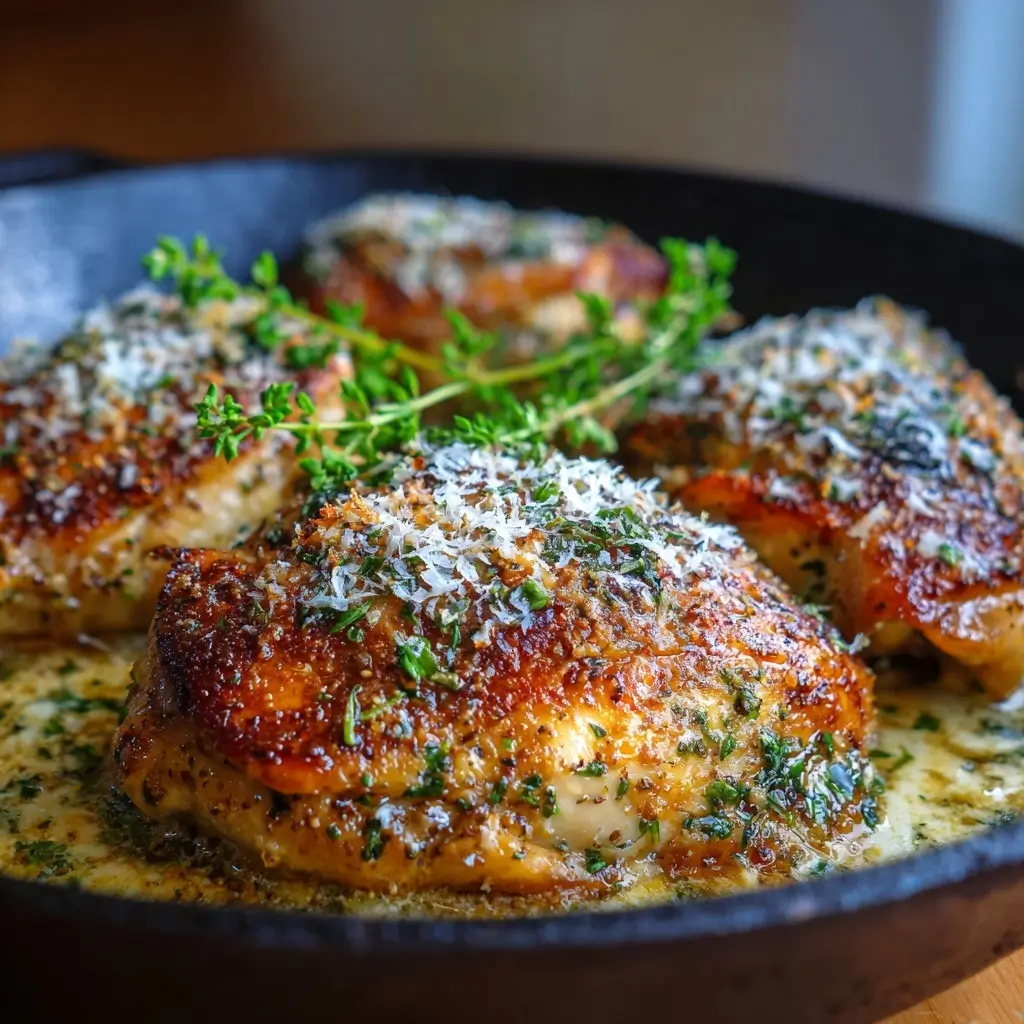
Garlic Butter Chicken with Parmesan is a beloved, restaurant-worthy dish that delivers bold flavor, tender texture, and aromatic richness—all in under 30 minutes. This elegant yet approachable recipe transforms simple pantry staples—boneless chicken breasts or thighs, fresh garlic, unsalted butter, grated Parmesan, and herbs—into a deeply savory, golden-brown centerpiece perfect for weeknight dinners, date nights, or impressing guests without stress. Its magic lies in the layered umami: the nutty depth of aged Parmigiano-Reggiano, the pungent sweetness of slow-sautéed garlic, the luxurious mouthfeel of browned butter, and the subtle herbaceous lift of fresh parsley or thyme. Whether served over creamy mashed potatoes, al dente pasta, steamed asparagus, or crusty artisan bread for soaking up every last drop of sauce, Garlic Butter Chicken with Parmesan satisfies on every level—comforting, refined, and irresistibly aromatic.
The History
While no single origin story defines Garlic Butter Chicken with Parmesan, its roots are deeply embedded in centuries-old culinary traditions across Europe and the Mediterranean. Garlic has been revered since ancient Egypt for both medicinal and culinary uses—its pungent, allium-rich profile becoming foundational in French beurre blanc, Italian aglio e olio, and Provençal aioli. Butter-based pan sauces trace back to classic French haute cuisine, where chefs perfected techniques like monter au beurre (finishing sauces with cold butter for silkiness and sheen). Parmesan cheese—specifically Parmigiano-Reggiano, first codified in 13th-century Parma, Italy—has long been prized for its crystalline texture, complex umami, and unparalleled melting and grating qualities. The fusion of these elements into what we now call “Garlic Butter Chicken with Parmesan” likely emerged mid-20th century in American home kitchens and mid-century Italian-American trattorias, where immigrant cooks adapted regional techniques using accessible ingredients. It gained widespread popularity through 1970s–80s cooking magazines, Julia Child’s televised demonstrations of pan-sauce mastery, and later, food blogs and social media platforms highlighting quick, flavorful, “fancy-but-feasible” meals. Today, it stands as a global comfort classic—a testament to cross-cultural culinary evolution and the timeless appeal of butter, garlic, and cheese.
Ingredients Breakdown
Every exceptional Garlic Butter Chicken with Parmesan begins with thoughtfully selected, high-quality ingredients. Here’s why each component matters—and how to choose wisely:
- Chicken: Boneless, skinless chicken breasts (for lean tenderness) or thighs (for richer flavor and forgiving moisture retention). Breasts should be even in thickness (pounded to ½-inch if needed); thighs benefit from slightly longer searing but stay juicier. Organic, air-chilled, or pasture-raised poultry offers superior flavor and texture.
- Unsalted Butter: Non-negotiable for control over sodium and optimal browning. European-style butter (82–86% fat) yields deeper flavor and better emulsification. Avoid margarine or spreads—they contain water and stabilizers that inhibit proper browning and cause splattering.
- Fresh Garlic: Always use freshly minced or microplaned garlic—not jarred or powdered. Fresh garlic contains allicin, which transforms during cooking into sweet, nutty, complex compounds. Mince finely just before cooking to preserve volatile oils.
- Parmesan Cheese: Authentic Parmigiano-Reggiano (DOP-certified, aged 24+ months) is essential—not generic “Parmesan-style” shreds. Its granular texture melts smoothly into sauces, adds salty-umami depth, and provides caramelized crunch when sprinkled on top. Grate it yourself using a microplane for maximum surface area and flavor release.
- Dry White Wine (Optional but Recommended): A splash of dry, high-acid wine (e.g., Sauvignon Blanc, Pinot Grigio, or unoaked Chardonnay) deglazes the pan, lifts fond, balances richness, and adds subtle fruit and mineral notes. Substitute with low-sodium chicken broth if avoiding alcohol—but note the flavor dimension shifts.
- Fresh Herbs: Flat-leaf parsley adds bright, grassy contrast; fresh thyme or oregano contributes earthy complexity. Dried herbs lack vibrancy and can taste dusty—reserve them only for long-simmered dishes.
- Heavy Cream or Half-and-Half (Optional): Adds velvety body and mild tang to the sauce. Use full-fat for best emulsion stability. For dairy-free, consider cashew cream or coconut milk (unsweetened, full-fat), though flavor profile changes.
- Seasonings: Fine sea salt (like Maldon or Diamond Crystal) for precise seasoning; freshly cracked black pepper for floral heat; optional pinch of red pepper flakes for gentle warmth.
Step-by-Step Recipe
- Prep the Chicken: Pat chicken pieces *extremely* dry with paper towels—this ensures a golden sear, not steam. Pound thicker cuts to uniform ½-inch thickness using a meat mallet or rolling pin wrapped in parchment. Season generously on both sides with salt and pepper.
- Heat the Pan: Place a heavy-bottomed stainless steel or cast-iron skillet over medium-high heat. Add 1 tbsp neutral oil (avocado, grapeseed, or light olive oil) and heat until shimmering but not smoking (~350°F).
- Sear the Chicken: Carefully place chicken in the hot pan without crowding. Cook undisturbed for 5–6 minutes until deeply golden and easily releases from the pan. Flip and cook another 4–5 minutes (for breasts) or 6–7 minutes (for thighs) until internal temperature reaches 165°F. Transfer to a clean plate, tent loosely with foil, and rest for 5 minutes—this retains juices.
- Build the Sauce Base: Reduce heat to medium-low. In the same skillet, add 2 tbsp unsalted butter. Once melted, add 4–5 thinly sliced or minced garlic cloves. Sauté gently for 30–60 seconds—just until fragrant and pale gold (do *not* let brown or burn). Stir constantly.
- Deglaze: Pour in ¼ cup dry white wine (or low-sodium broth). Scrape vigorously with a wooden spoon to lift all browned bits (fond) from the pan bottom—this is pure flavor. Simmer 1–2 minutes until liquid reduces by half.
- Enrich & Emulsify: Whisk in 2 tbsp heavy cream (optional but recommended) and ¼ cup freshly grated Parmigiano-Reggiano. Continue whisking over low heat until cheese melts completely and sauce thickens slightly (1–2 minutes). If too thin, simmer gently; if too thick, whisk in 1 tsp warm broth or cream.
- Finish with Butter & Herbs: Remove from heat. Whisk in remaining 2 tbsp cold, cubed butter—one piece at a time—until fully incorporated and glossy. Stir in 2 tbsp chopped fresh parsley and a final grind of black pepper.
- Combine & Serve: Return rested chicken to the skillet, spooning sauce over each piece. Let sit for 1–2 minutes to reheat gently and absorb flavors. Garnish with extra Parmesan, parsley, and a lemon wedge for brightness.
Tips
- Dry Chicken = Golden Chicken: Moisture is the enemy of browning. Pat chicken dry *twice*: once before seasoning, again right before placing in the pan.
- Don’t Crowd the Pan: Overloading drops the pan temperature, causing steaming instead of searing. Cook in batches if necessary—clean, hot pan is non-negotiable.
- Control Garlic Heat: Garlic burns fast. Keep heat at medium-low during sauce building and stir constantly. If it darkens, discard and start fresh—bitter garlic ruins the whole dish.
- Rest the Chicken: Skipping the 5-minute rest leads to dry, stringy meat. Juices redistribute, ensuring succulence in every bite.
- Grate Your Own Cheese: Pre-grated Parmesan contains anti-caking agents (like cellulose) that prevent smooth melting and create graininess in sauces.
- Whisk Off Heat for Emulsion: Adding cold butter off the stove prevents breaking and creates a lush, satin-smooth finish. Never boil the finished sauce.
- Taste & Adjust at Every Stage: Salt early (on chicken), acid mid-way (wine/broth), richness late (cream/cheese), and brightness at the end (lemon/parsley). Balance is key.
- Reserve Pan Fond: That dark, sticky residue? It’s concentrated flavor gold. Deglazing properly makes the difference between good and extraordinary sauce.
- Use a Thermometer: Visual cues can deceive. A reliable instant-read thermometer ensures safe, perfectly cooked chicken every time—no guesswork, no dryness.
- Skillet Choice Matters: Stainless steel gives superior fond development; cast iron retains heat beautifully; nonstick won’t build fond well—avoid unless finishing only.
Variations and Customizations
This versatile recipe welcomes endless creativity while preserving its soulful core. Explore these chef-tested adaptations:
- Lemon-Herb Variation: Add zest of 1 lemon + 1 tbsp fresh lemon juice to the sauce after removing from heat. Pair with extra thyme and chives. Brightens richness and cuts through fat.
- Spicy Arrabbiata Style: Sauté ½ tsp crushed red pepper flakes with the garlic. Finish with a swirl of chili oil and garnish with pickled cherry peppers.
- Mushroom & Spinach Upgrade: After sautéing garlic, add 1 cup sliced cremini mushrooms and cook until golden. Stir in 2 cups fresh baby spinach until wilted—then proceed with deglazing.
- Herbes de Provence Infusion: Add 1 tsp dried Herbes de Provence (or 1 tbsp fresh rosemary + thyme) with the garlic for aromatic, rustic depth.
- Creamy Gorgonzola Twist: Replace half the Parmesan with crumbled Gorgonzola Dolce. Adds tangy, blue-veined complexity—ideal with polenta or roasted pears.
- Low-Carb/Keto Friendly: Serve over cauliflower rice, zucchini noodles, or roasted broccoli. Boost healthy fats with extra butter and olive oil drizzle.
- Gluten-Free Assured: Naturally GF—just verify broth/wine labels for hidden gluten (rare, but possible in flavored broths).
- Dairy-Free Version: Use vegan butter (Miyoko’s or Earth Balance), nutritional yeast (3 tbsp) + 1 tsp white miso for umami, and full-fat coconut milk instead of cream. Toast almond slivers for “Parmesan” crunch.
- One-Pan Roasted Method: Arrange seasoned chicken in a sheet pan. Top with garlic butter mixture (melted butter + garlic + herbs + cheese). Roast at 425°F for 20–25 mins. Broil 2 mins for crisp topping.
- Meal-Prep Friendly: Cook chicken and sauce separately. Store up to 4 days refrigerated or 3 months frozen. Reheat gently on stove with splash of broth to refresh sauce consistency.
Health Considerations and Nutritional Value
A single 6-ounce serving (chicken + ¼ cup sauce) of Garlic Butter Chicken with Parmesan delivers impressive nutrition when prepared mindfully:
- Protein Powerhouse: ~42g high-biological-value protein supports muscle repair, satiety, and metabolic health. Chicken breast is lean; thighs offer more monounsaturated fats and iron.
- Heart-Healthy Fats: Butter contains conjugated linoleic acid (CLA) and butyrate—anti-inflammatory compounds linked to gut and cardiovascular health. Paired with garlic (a natural vasodilator) and olive oil, this dish supports healthy cholesterol profiles.
- Garlic Benefits: Rich in allicin (especially when crushed and rested 10 minutes pre-cook), garlic exhibits antimicrobial, antithrombotic, and blood-pressure-lowering properties supported by clinical studies.
- Parmesan Nutrition: One ounce provides 336mg calcium (34% DV), 10g protein, and bioavailable vitamin K2—critical for bone mineralization and arterial health.
- Calorie Awareness: Approx. 520–580 kcal per serving (varies by butter/cream/cheese amounts). Reduce calories by using 3 tbsp total butter, skipping cream, and increasing herbs/vinegar for flavor without fat.
- Sodium Management: Most sodium comes from cheese and added salt. Use low-sodium broth, reduce added salt by 30%, and rely on garlic, lemon, and herbs for flavor intensity.
- Digestive Notes: Garlic and parsley aid digestion; butter’s fat slows gastric emptying, promoting stable blood sugar. Those with lactose sensitivity may tolerate aged Parmesan (naturally low-lactose) better than other cheeses.
- Antioxidant Boost: Fresh herbs (parsley, thyme) supply flavonoids and vitamin C; garlic offers selenium and manganese—powerful cellular protectors.
- Balanced Meal Pairing Tip: Serve with non-starchy vegetables (roasted Brussels sprouts, sautéed kale, grilled zucchini) to increase fiber, phytonutrients, and volume—enhancing satiety and micronutrient density.
Ingredients
- 2 large boneless, skinless chicken breasts (about 1 lb / 450g), pounded to ½-inch thickness — OR — 4 boneless, skinless chicken thighs (about 1.25 lbs / 560g)
- 1½ tsp fine sea salt, divided
- 1 tsp freshly ground black pepper, divided
- 1 tbsp avocado oil or light olive oil
- 4 tbsp (½ stick / 56g) unsalted butter, divided
- 5 cloves garlic, finely minced (about 1½ tbsp)
- ¼ cup (60ml) dry white wine (e.g., Sauvignon Blanc) — or low-sodium chicken broth
- 2 tbsp heavy cream or half-and-half (optional, for richness)
- ½ cup (50g) freshly grated Parmigiano-Reggiano cheese, plus extra for garnish
- 2 tbsp fresh flat-leaf parsley, finely chopped
- Lemon wedges, for serving
Directions
- Pat chicken completely dry with paper towels. Season both sides with 1 tsp salt and ½ tsp pepper.
- Heat oil in a large stainless steel or cast-iron skillet over medium-high heat until shimmering (~350°F). Add chicken and cook undisturbed for 5–6 minutes until deeply golden and releasing easily. Flip and cook 4–7 minutes more until internal temperature reaches 165°F. Transfer to a plate, tent with foil, and rest 5 minutes.
- Reduce heat to medium-low. Add 2 tbsp butter to the same skillet. Once melted, add garlic and sauté 30–60 seconds until fragrant and pale gold—stir constantly.
- Pour in wine (or broth). Scrape pan vigorously with a wooden spoon to lift all browned bits. Simmer 1–2 minutes until reduced by half.
- Whisk in cream (if using) and ¼ cup Parmesan. Cook 1–2 minutes over low heat, whisking, until smooth and slightly thickened.
- Remove skillet from heat. Whisk in remaining 2 tbsp cold butter, one cube at a time, until fully melted and glossy. Stir in parsley, remaining ½ tsp salt, and ½ tsp pepper.
- Return rested chicken to skillet, spooning sauce over each piece. Let sit 1–2 minutes to warm through.
- Garnish generously with extra Parmesan and parsley. Serve immediately with lemon wedges and your choice of sides.
FAQ
- Can I use frozen chicken?
- Yes—but thaw completely in the refrigerator overnight. Never cook frozen chicken directly in this recipe—it will steam rather than sear, resulting in gray, rubbery meat and diluted sauce.
- Why does my sauce break or look greasy?
- Common causes: overheating the finished sauce, adding cold butter too quickly, using pre-grated cheese (with anti-caking agents), or whisking too vigorously. Fix it by removing from heat, letting cool slightly, then whisking in 1 tsp warm broth or cream. Next time, add butter off-heat in small pieces.
- Can I make this ahead of time?
- Absolutely. Cook chicken and sauce separately. Store refrigerated up to 4 days or frozen up to 3 months. Reheat chicken gently in oven or skillet; reheat sauce on low stove heat with a splash of broth, whisking constantly.
- What’s the best side dish for Garlic Butter Chicken?
- Classic pairings include garlic mashed potatoes, linguine tossed in reserved sauce, roasted asparagus with lemon zest, creamy polenta, or crusty sourdough for dipping. For low-carb: cauliflower rice, zucchini noodles, or a crisp arugula salad with lemon vinaigrette.
- Is Parmigiano-Reggiano the same as Parmesan?
- No. True Parmigiano-Reggiano is a protected designation of origin (PDO) cheese from Parma, Italy—aged minimum 12 months, often 24–36. “Parmesan” sold in shakers or bags is usually a domestic imitation with added cellulose and less flavor complexity. For authenticity and texture, seek the DOP stamp and wheel-rind markings.
- Can I air-fry the chicken instead of pan-searing?
- You can—but you’ll lose the fond essential for the sauce. Air-fry chicken (400°F, 12–15 mins), then make sauce separately in a skillet using broth to mimic fond, or deglaze the air fryer basket with wine/broth and transfer to stove.
- My garlic tastes bitter—what went wrong?
- Burning. Garlic scorches in seconds at high heat. Always sauté at medium-low, stir constantly, and remove from heat the moment it becomes fragrant and turns pale gold—not brown. If it darkens, discard and restart.
- Can I use chicken tenders or cutlets?
- Yes! Reduce initial sear time to 2–3 minutes per side. They cook faster and are ideal for weeknight speed—just avoid overcrowding and maintain pan temperature.
- Is this dish suitable for pregnancy or nursing?
- Yes—with precautions: ensure chicken reaches 165°F internally, use pasteurized dairy, and choose low-mercury fish-free wine (most cooking wines are safe due to alcohol evaporation, but opt for certified non-alcoholic broth if preferred). Consult your healthcare provider for personalized guidance.
- How do I store leftovers safely?
- Cool within 2 hours. Store chicken and sauce together in an airtight container in the refrigerator up to 4 days. Freeze portions in freezer-safe bags with sauce for up to 3 months. Thaw overnight in fridge before reheating.
Summary
Garlic Butter Chicken with Parmesan is a masterclass in simple, elevated home cooking—melding golden-seared chicken, aromatic slow-cooked garlic, velvety browned butter, and the profound umami of authentic Parmigiano-Reggiano into a harmonious, restaurant-caliber dish ready in under 30 minutes.
Backed by centuries of culinary tradition and modern nutritional science, it’s endlessly adaptable, deeply satisfying, and proof that extraordinary flavor requires neither complexity nor compromise—just quality ingredients, mindful technique, and the confidence to let bold, beautiful basics shine.