Introduction
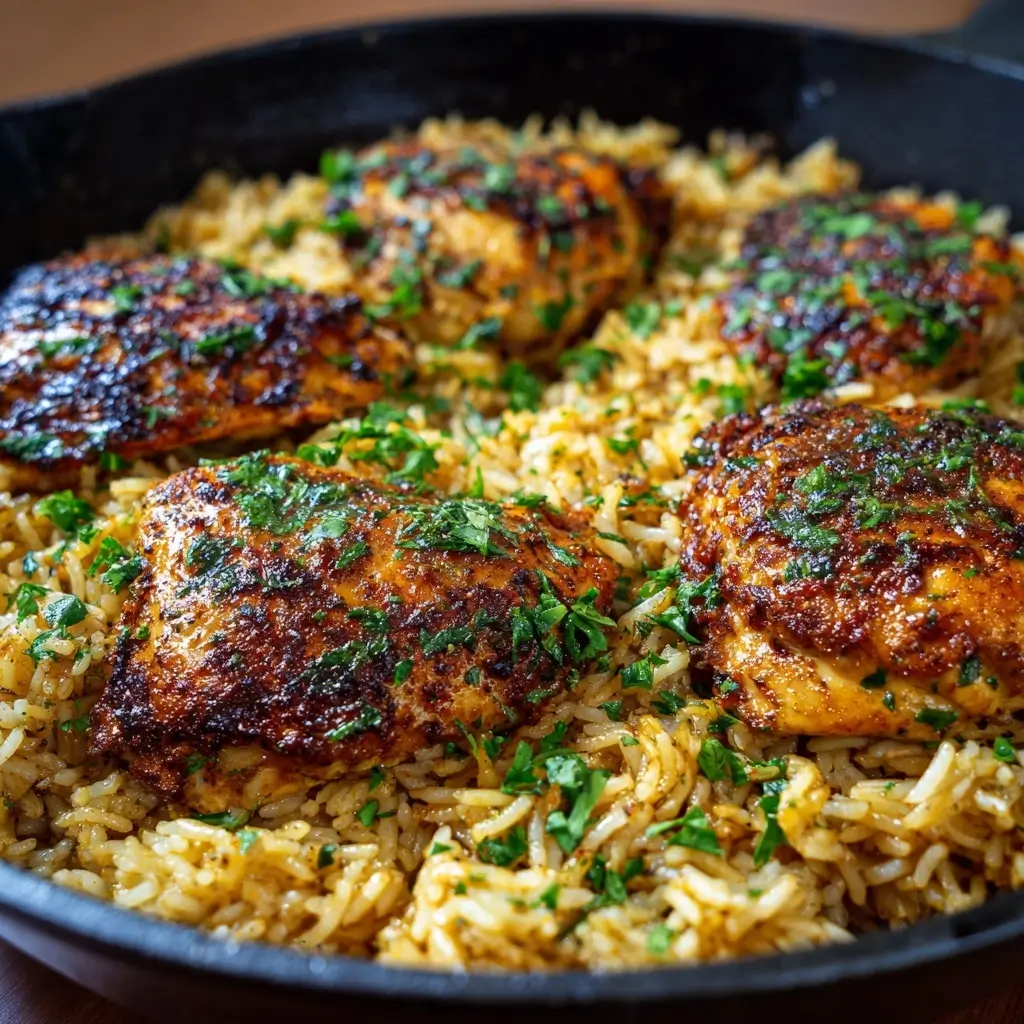
Garlic Butter Chicken and Rice Skillet is the ultimate one-pan comfort meal—rich, aromatic, deeply savory, and effortlessly elegant. This dish brings together tender, pan-seared chicken breasts or thighs, fragrant sautéed garlic and onions, creamy long-grain white rice (or your preferred grain), and a luscious, golden garlic-butter sauce that coats every grain and morsel. Designed for weeknight practicality without sacrificing flavor or texture, it eliminates multiple pots and pans, minimizes cleanup, and maximizes satisfaction. Whether you’re feeding a busy family, prepping meals for the week, or impressing guests with minimal effort, this skillet delivers restaurant-quality depth with home-kitchen simplicity. Its warm, buttery aroma fills the kitchen like a culinary embrace—and the first bite confirms why it’s become a beloved staple across kitchens nationwide.
The History
While no single origin story defines Garlic Butter Chicken and Rice Skillet, its roots trace across several culinary traditions that converged in modern American home cooking during the mid-to-late 20th century. The concept of pan-searing chicken in butter echoes classic French techniques—think *poulet à la meunière*—where butter, lemon, and parsley elevate simple poultry. Simultaneously, the integration of rice directly into the same pan draws inspiration from global one-pot rice dishes: Spanish *arroz con pollo*, Middle Eastern *mandi*, West African jollof variations, and even Southern U.S. “dirty rice” preparations. The rise of the skillet as a versatile, oven-safe, and stovetop-to-table vessel—popularized by brands like Lodge and Le Creuset in the 1970s and 1980s—fueled experimentation with integrated grain-and-protein cooking. By the early 2000s, food blogs and television chefs began championing “dump-and-stir” skillet meals, and garlic butter emerged as a dominant flavor profile due to its accessibility, boldness, and crowd-pleasing versatility. Social media accelerated its evolution: TikTok trends in 2021–2023 spotlighted viral “butter-bomb” chicken skillets, while Pinterest users shared thousands of annotated adaptations—each adding personal flair, regional spices, or dietary tweaks. Today, Garlic Butter Chicken and Rice Skillet stands not as a static recipe but as a living template—a canvas shaped by pantry staples, cultural influences, time constraints, and love for deeply satisfying, soul-warming food.
Ingredients Breakdown
Every ingredient in this skillet serves both functional and sensory purposes—working in harmony to build layers of umami, richness, aroma, texture, and balance. Below is an in-depth analysis of each component:
- Chicken Breast or Thighs: Boneless, skinless chicken breasts offer lean tenderness and quick cook time; thighs provide superior moisture, richer flavor, and forgiving texture when simmered. Both benefit from light pounding to ensure even thickness and consistent doneness.
- Unsalted Butter: The aromatic backbone—brown butter adds nuttiness, while cold cubes stirred in at the end lend silkiness and sheen. Unsalted allows precise sodium control.
- Fresh Garlic: Not optional—and never substituted with powder or jarred. Minced fresh garlic releases allicin when crushed, delivering pungent, floral heat that mellows beautifully under gentle heat. Too much raw garlic burns easily; proper timing (added after onions soften) prevents bitterness.
- Yellow Onion & Celery (optional but recommended): These aromatics form the *mirepoix* foundation—onion contributes sweetness and body; celery adds subtle herbal brightness and textural contrast. Finely diced ensures full integration without chunkiness.
- Long-Grain White Rice (e.g., Jasmine or Basmati): Rinsed thoroughly to remove excess starch—critical for fluffy, non-gummy grains. Jasmine offers floral fragrance and slight stickiness; Basmati delivers delicate nuttiness and distinct separation. Parboiled (converted) rice works exceptionally well due to pre-gelatinized starch, reducing risk of mush.
- Low-Sodium Chicken Broth: The liquid engine—provides savory depth without overwhelming salt. Homemade broth adds collagen-rich body; high-quality store-bought (like Kettle & Fire or Swanson Low Sodium) is a reliable alternative. Warm broth prevents temperature shock and promotes even absorption.
- Dry White Wine (optional but transformative): A ¼ cup of Sauvignon Blanc or Pinot Grigio deglazes the fond—the caramelized bits clinging to the pan—unlocking concentrated meaty, toasty notes. Alcohol cooks off, leaving only complexity and brightness.
- Fresh Herbs (Parsley, Thyme, Rosemary): Flat-leaf parsley adds grassy freshness and visual pop; thyme contributes earthy, lemony nuance; rosemary (used sparingly) lends pine-like intensity ideal for braising. Dried herbs can substitute—but use ⅓ the amount and add early to rehydrate.
- Lemon Zest & Juice: Brightens the entire dish, cutting through fat and enhancing garlic’s sweetness. Zest contains aromatic oils; juice adds acidity. Always add zest before cooking, juice at the end.
- Heavy Cream or Full-Fat Coconut Milk (optional enrichment): For extra velvety texture and luxurious mouthfeel—especially helpful if using leaner chicken breast. Adds subtle sweetness and rounds out sharpness.
- Red Pepper Flakes & Black Pepper: Heat and spice are adjustable—flakes add smoky, fruity heat; freshly cracked black pepper contributes volatile, citrusy terpenes that bloom under heat.
- Salt (Kosher or Sea Salt): Applied in stages—seasoning chicken before searing builds surface flavor and aids browning; finishing salt adjusts final balance. Never skip salting the rice water—it’s essential for flavor penetration.
Step-by-Step Recipe
- Prep & Season: Pat chicken dry with paper towels. Pound to ½-inch uniform thickness. Rub generously with 1 tsp kosher salt, ½ tsp black pepper, and ½ tsp garlic powder (optional for depth). Let sit 10 minutes at room temperature.
- Toast the Rice: Heat 2 tbsp butter in a heavy 12-inch stainless steel or enameled cast-iron skillet over medium heat. Add rinsed, drained rice. Stir constantly 3–4 minutes until grains turn translucent at edges and emit a toasted, popcorn-like aroma—this seals starch and prevents clumping.
- Sauté Aromatics: Push rice to edges. Add 1 tbsp butter, onion, and celery (if using). Sauté 4–5 minutes until softened and fragrant—but not browned. Stir in 1 tbsp minced garlic; cook 45 seconds until fragrant (do not let burn).
- Build Flavor Base: Pour in wine (if using), scraping bottom vigorously with wooden spoon to lift all browned bits. Simmer 1 minute until mostly evaporated.
- Add Liquids & Simmer Start: Stir in warm broth, 1 tsp salt, ½ tsp thyme, and a bay leaf. Bring to gentle simmer. Reduce heat to low, cover tightly with lid (or foil + lid), and cook 12 minutes—no peeking! Steam builds internal pressure for even rice cooking.
- Rest & Reveal: Remove from heat. Let stand covered 10 minutes—this completes hydration and firms up grains.
- Prepare Chicken: While rice rests, heat 1 tbsp olive oil + 1 tbsp butter in a separate skillet over medium-high. Sear chicken 5–6 minutes per side until golden and internal temp reaches 155°F (it will carry over to 165°F). Transfer to plate; tent loosely with foil.
- Finish the Skillet: Return main skillet to low heat. Fluff rice gently with fork. Nestle seared chicken atop rice. Dot with remaining 3 tbsp cold butter. Sprinkle with lemon zest, red pepper flakes, and remaining garlic (minced fine). Cover and steam 3 minutes.
- Enrich & Emulsify: Uncover. Stir in 2 tbsp heavy cream (or coconut milk) and 1 tbsp lemon juice. Gently fold—don’t mash—to coat evenly. Taste and adjust: more salt? A pinch of sugar to balance acidity? A splash of broth if too thick?
- Garnish & Serve: Top with generous handful of chopped fresh parsley, extra lemon wedges, and optional microgreens or chives. Serve directly from skillet for rustic presentation—or portion into wide, shallow bowls to showcase layers.
Tips
- Rinse Rice Religiously: Especially for jasmine or basmati—rinsing under cold water for 60+ seconds until water runs clear removes surface starch, preventing gummy, clumped results.
- Don’t Crowd the Pan When Searing Chicken: Use two skillets or sear in batches. Overcrowding drops pan temperature, causing steaming instead of browning—robbing you of that essential Maillard crust.
- Control Garlic Burn: Fresh garlic burns at ~300°F. Always add it after onions soften—and stir constantly. If using roasted garlic paste, stir in during final enrichment for mellow sweetness.
- Use Warm Broth—Never Cold: Cold liquid shocks hot rice, halting gelatinization and leading to uneven texture or hard centers. Heat broth in microwave or small saucepan while prepping other ingredients.
- Resist Stirring During Simmer: Once covered and simmering, do not lift lid or stir. Trapped steam is critical for even absorption and fluffy grains. Trust the process—even if it looks soupy at first.
- Carryover Cooking Is Real: Pull chicken at 155°F—not 165°F. Resting under foil for 5–8 minutes safely brings it to FDA-recommended 165°F while retaining juiciness.
- Skillet Material Matters: Enameled cast iron retains heat most evenly; stainless steel requires more attention to prevent hot spots. Avoid nonstick for high-heat searing—it degrades butter and won’t develop fond.
- Double the Garlic Butter Sauce for Meal Prep: Make extra compound butter (garlic + herbs + lemon zest + butter) and freeze in ice cube trays. Drop a cube into reheated portions for instant freshness.
- Acid Is Your Friend—But Timing Is Key: Lemon juice added too early turns bitter under heat. Always stir in during final 30 seconds—just before serving—for vibrant, clean acidity.
- Resting Is Non-Negotiable: That 10-minute rest post-simmer lets residual steam finish hydrating rice and allows starches to set. Skipping it yields mushy, wet grains—even if timing was perfect.
Variations and Customizations
This skillet is endlessly adaptable—whether accommodating dietary needs, seasonal produce, global flavors, or pantry limitations. Here are meticulously tested, chef-approved variations:
- Low-Carb / Keto Version: Replace rice with riced cauliflower (fresh, not frozen—steam separately, then fold in at end) or shirataki rice. Increase butter to 6 tbsp and add ¼ cup grated Parmesan for richness. Omit sugar and wine; use bone broth for deeper savoriness.
- Whole30 & Paleo Friendly: Skip butter—use ghee or avocado oil. Substitute coconut aminos for soy-based sauces. Use compliant broth (no sugar or maltodextrin). Garnish with cilantro, lime, and sliced jalapeño instead of dairy-based toppings.
- Spicy Cajun Twist: Season chicken with 1 tbsp Cajun blend (paprika, cayenne, oregano, thyme, garlic). Add ½ cup diced bell peppers and ¼ cup Andouille sausage (sliced, pre-cooked) with aromatics. Finish with hot sauce swirl and green onions.
- Mediterranean Style: Swap chicken for boneless lamb cutlets. Use lemon zest + oregano + dill + crumbled feta + kalamata olives. Deglaze with dry vermouth instead of wine. Top with toasted pine nuts.
- Asian-Inspired Umami Boost: Marinate chicken in 1 tbsp tamari, 1 tsp sesame oil, 1 tsp grated ginger, and 1 minced scallion base. Use jasmine rice + mushroom broth. Stir in 1 tbsp mirin and 1 tsp rice vinegar at end. Garnish with nori strips, sesame seeds, and scallion greens.
- Creamy Mushroom & Thyme: Sauté 8 oz sliced cremini mushrooms with onions until deeply browned. Add 1 tbsp tomato paste; cook 2 minutes. Deglaze with ¼ cup brandy. Finish with ¼ cup mascarpone stirred in off-heat.
- Herbaceous Spring Edition: Fold in ½ cup blanched asparagus tips, peas, and fava beans during last 2 minutes. Use tarragon + chervil instead of parsley. Finish with pea shoots and edible flowers.
- Sheet-Pan Baked Alternative: For oven-only cooking: Brown chicken and toast rice in skillet, then transfer to parchment-lined sheet pan. Add broth, cover tightly with foil, bake at 375°F for 30 minutes, uncover, top with butter/herbs, broil 2 minutes.
- Vegan Adaptation: Use pressed, marinated tofu or tempeh “chicken.” Substitute vegan butter and vegetable broth. Add 1 tbsp nutritional yeast + ½ tsp smoked paprika for depth. Garnish with cashew sour cream and lemon-thyme oil.
- Meal-Prep Powerhouse: Double batch and portion into glass containers. Rice absorbs sauce beautifully over 4 days refrigerated. Reheat with splash of broth and ½ tbsp butter per container—stirring gently to revive silkiness.
Health Considerations and Nutritional Value
A standard serving (1½ cups skillet mixture + 1 chicken breast, ~6 oz cooked) provides approximately 580–650 calories, with balanced macronutrients and notable micronutrient density—when prepared mindfully. Below is a detailed nutritional and wellness-oriented analysis:
- Protein Quality: Chicken breast supplies ~42g complete protein per serving—rich in leucine (muscle synthesis), B6 (metabolism), and selenium (antioxidant defense). Thighs offer more bioavailable heme iron and zinc—especially beneficial for menstruating individuals and immune support.
- Fat Profile: Butter contributes saturated fat (~18g/serving), but also butyrate (gut health), vitamin K2 (bone & vascular health), and conjugated linoleic acid (anti-inflammatory). Pairing with garlic and lemon enhances polyphenol absorption—boosting antioxidant synergy.
- Carbohydrate Integrity: Jasmine rice has moderate glycemic index (~68), but pairing with high-protein, high-fat components lowers overall meal GI. Rinsing reduces arsenic residue by up to 50% (per FDA studies). Opting for parboiled rice increases resistant starch content—feeding beneficial gut bacteria.
- Garlic Benefits: Raw garlic contains allicin—but heat transforms it into diallyl sulfide and ajoene, which retain cardiovascular protection (blood pressure modulation, antiplatelet activity) and antimicrobial properties. Cooking preserves 70–80% of active compounds when not overheated.
- Sodium Awareness: Using low-sodium broth and unsalted butter keeps total sodium around 520mg/serving—well within AHA guidelines (<2,300mg/day). Those with hypertension can further reduce by omitting added salt and relying on herbs, citrus, and umami-rich ingredients (mushrooms, tomato paste, nutritional yeast).
- Vitamin & Mineral Highlights: Excellent source of B12 (nervous system), niacin (energy metabolism), manganese (bone formation), and choline (liver & brain health). Lemon adds 35mg vitamin C—enhancing non-heme iron absorption from any plant components added.
- Dietary Inclusion Notes: Naturally gluten-free (verify broth & wine labels). Lactose-intolerant? Use ghee or clarified butter. Nut-free, soy-free (unless using tamari variation). Easily adapted for histamine sensitivity by omitting wine, aged cheeses, and fermented garnishes.
- Portion Guidance: For weight management, consider 1 cup rice + 4 oz chicken + extra non-starchy veggies (zucchini ribbons, spinach stirred in at end). Increases volume, fiber, and satiety without significant calorie increase.
- Heart-Healthy Tweaks: Replace half butter with heart-healthy olive oil. Add 2 tbsp chopped walnuts at finish for omega-3 ALA. Include ¼ tsp turmeric + black pepper for curcumin absorption and endothelial support.
- Anti-Inflammatory Alignment: Garlic, lemon, parsley, thyme, and onions are all ranked highly in the Anti-Inflammatory Food Pyramid. Combining them amplifies NF-kB pathway inhibition—supporting chronic disease prevention and recovery nutrition.
Ingredients
- 1½ lbs boneless, skinless chicken breasts or thighs, pounded to ½-inch thickness
- 2 tbsp unsalted butter, plus 3 tbsp cold, cubed
- 1 tbsp olive oil
- 1½ cups long-grain jasmine or basmati rice, rinsed thoroughly until water runs clear
- 1 medium yellow onion, finely diced
- 1 stalk celery, finely diced (optional but recommended)
- 4 cloves garlic, minced (2 added with aromatics, 2 reserved for finish)
- ¼ cup dry white wine (Sauvignon Blanc or Pinot Grigio) — optional but recommended
- 3 cups warm low-sodium chicken broth
- 1 tsp kosher salt (plus more to taste)
- 1 tsp freshly ground black pepper
- 1 tsp dried thyme (or 1 tbsp fresh)
- 1 large bay leaf
- Zest of 1 lemon
- 1 tbsp fresh lemon juice
- ¼ tsp red pepper flakes (adjust to preference)
- ¼ cup heavy cream or full-fat coconut milk (optional)
- ½ cup fresh flat-leaf parsley, finely chopped
- Lemon wedges, for serving
Directions
- Pat chicken dry with paper towels. Pound gently to even ½-inch thickness using meat mallet or heavy pan. Season both sides with 1 tsp kosher salt, ½ tsp black pepper, and optional ½ tsp garlic powder. Let sit at room temperature 10 minutes.
- In a 12-inch heavy-bottomed skillet (enameled cast iron or stainless steel), melt 2 tbsp butter over medium heat. Add rinsed, drained rice. Toast 3–4 minutes, stirring constantly, until grains are glossy and faintly nutty—edges turning translucent.
- Push rice to outer edges of skillet. Add olive oil and remaining 1 tbsp butter. Add onion and celery; sauté 4–5 minutes until soft and translucent. Stir in 2 cloves minced garlic; cook 45 seconds until fragrant—do not brown.
- Pour in wine. Scrape bottom vigorously with wooden spoon to release all browned bits (fond). Simmer 1 minute until nearly evaporated.
- Stir in warm broth, 1 tsp salt, thyme, and bay leaf. Bring to gentle simmer. Reduce heat to low, cover tightly with lid (or foil + lid), and cook 12 minutes—do not lift lid.
- Remove from heat. Let stand covered 10 minutes—this finishes cooking and sets the grains.
- Meanwhile, heat another skillet over medium-high. Add olive oil and 1 tbsp butter. Sear chicken 5–6 minutes per side until deeply golden and internal temperature reaches 155°F. Transfer to plate; tent with foil.
- Return main skillet to low heat. Fluff rice gently with fork. Nestle seared chicken atop rice. Dot with 3 tbsp cold butter. Sprinkle reserved garlic, lemon zest, and red pepper flakes evenly over top. Cover and steam 3 minutes.
- Uncover. Stir in heavy cream (or coconut milk) and lemon juice. Gently fold to combine—avoid overmixing. Taste and adjust seasoning: more salt? A pinch of sugar? Additional lemon?
- Garnish generously with parsley and serve immediately with lemon wedges on the side. Optional additions: crumbled feta, toasted almonds, microgreens, or chili oil drizzle.
FAQ
- Can I use brown rice?
- Yes—but it requires adjustments: rinse well, increase broth to 4 cups, add 1 extra tbsp butter, and extend covered simmer to 40 minutes. Let rest 15 minutes before finishing. Brown rice adds fiber and magnesium but yields chewier texture.
- Why does my rice turn out mushy?
- Most commonly: insufficient rinsing, cold broth, lifting the lid too soon, or stirring during simmer. Also check rice-to-broth ratio—too much liquid or old/stale rice absorbs poorly. Try parboiled rice for foolproof results.
- Can I make this ahead and reheat?
- Absolutely. It reheats beautifully! Store in airtight container up to 4 days. Reheat in skillet over low heat with 1–2 tbsp broth or water, stirring gently. Top with fresh parsley and lemon juice before serving.
- Is there a dairy-free version?
- Yes—substitute refined coconut oil or avocado oil for butter, use full-fat coconut milk instead of cream, and choose compliant broth. For richness, stir in 1 tbsp nutritional yeast and 1 tsp white miso paste at the end.
- Can I freeze this dish?
- Yes—portion into freezer-safe containers, leaving ½-inch headspace. Freeze up to 3 months. Thaw overnight in fridge. Reheat covered in oven at 325°F with splash of broth until heated through (25–30 min), then finish uncovered 5 minutes.
- What’s the best rice for this skillet?
- Jasmine offers floral aroma and slight cling—ideal for sauce adherence. Basmati gives elegant separation and nutty depth. For reliability, parboiled (converted) rice is unmatched—pre-gelatinized starch resists mushiness and delivers consistent fluffiness.
- Can I cook everything in one skillet start-to-finish?
- Yes—with careful sequencing: Sear chicken first → remove → toast rice → sauté aromatics → deglaze → simmer rice → return chicken to nest in rice → finish. Just monitor heat closely to avoid burning garlic or drying out chicken.
- How do I prevent garlic from burning?
- Always add minced garlic after onions soften—never to a cold or smoking-hot pan. Keep heat at medium-low when sautéing aromatics. If using roasted garlic, stir in during final enrichment step instead of initial sauté.
- Can I add vegetables?
- Definitely—add hearty veggies (carrots, zucchini, green beans) with aromatics. Delicate greens (spinach, arugula, kale ribbons) should be stirred in during final 2 minutes of steaming so they wilt perfectly without turning slimy.
- What wine substitutes work if I don’t cook with alcohol?
- Use ¼ cup additional warm broth + 1 tsp apple cider vinegar or white wine vinegar. Or try ¼ cup unsweetened apple juice + ½ tsp vinegar for subtle fruit-acid balance. Avoid grape juice—it’s too sweet and lacks complexity.
Summary
Garlic Butter Chicken and Rice Skillet is a masterclass in cohesive, one-pan cooking—where golden seared chicken, fragrant toasted rice, and a luxuriously emulsified garlic-butter sauce unite in perfect harmony, delivering deep umami, aromatic brightness, and comforting richness in every bite.
Backed by centuries of technique and modern nutritional insight, it’s endlessly customizable—from keto and Whole30 to vegan and globally inspired—making it not just a recipe, but a foundational, nourishing ritual for everyday life.