Introduction
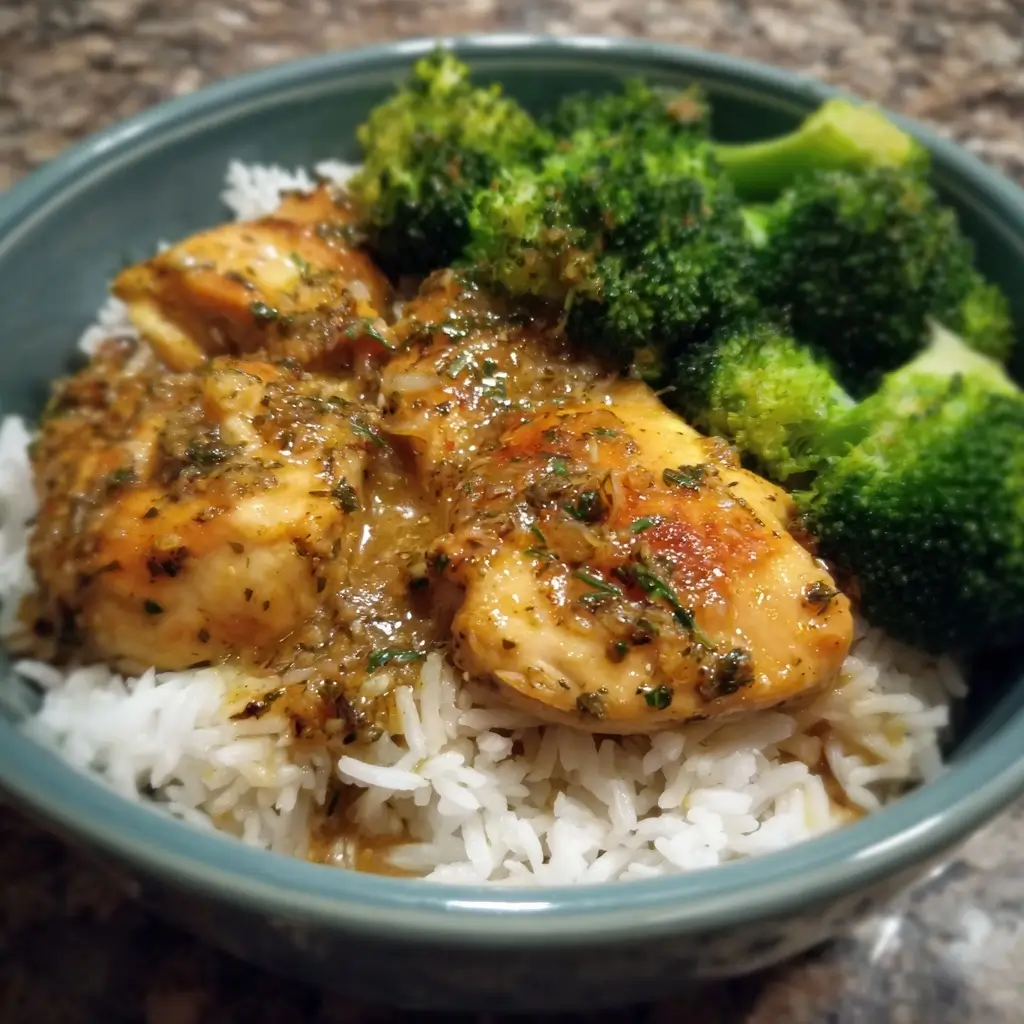
Garlic Butter Chicken and Broccoli is a beloved weeknight classic that masterfully balances rich, savory depth with fresh, earthy brightness. This one-pan wonder delivers restaurant-quality flavor without the fuss—tender, juicy chicken breasts or thighs enveloped in a luxurious, aromatic garlic-butter sauce, harmoniously paired with crisp-tender broccoli florets that soak up every ounce of that golden, herb-flecked goodness. Whether you’re meal prepping for busy professionals, feeding a growing family, or simply craving comfort food that feels both indulgent and nourishing, this dish checks every box: it’s quick (ready in under 35 minutes), endlessly adaptable, budget-friendly, and deeply satisfying. Its widespread appeal lies not only in its bold, umami-forward profile but also in its remarkable versatility—it transitions seamlessly from a simple Tuesday dinner to an elegant yet approachable centerpiece for casual entertaining.
The History
While no single origin story defines Garlic Butter Chicken and Broccoli, its roots trace back to the mid-20th-century American culinary landscape—a time when home cooks began embracing European techniques like pan-sautéing and compound butter preparations, fused with accessible, health-conscious ingredients popularized by post-war nutrition trends. Broccoli, once considered a niche cruciferous vegetable, gained mainstream popularity in the U.S. after World War II due to increased agricultural promotion and dietary education emphasizing vitamins C and K. Meanwhile, garlic—historically used medicinally across ancient Egyptian, Greek, Roman, and Asian traditions—entered American home kitchens more boldly beginning in the 1950s, spurred by immigration waves and the rise of French-inspired cookbooks (think Julia Child’s emphasis on “fond” and flavorful pan sauces). The marriage of garlic, butter, chicken, and broccoli crystallized in the 1980s and ’90s as part of the “healthy indulgence” movement: dishes that satisfied cravings while aligning with emerging awareness of lean protein and vegetable-forward meals. Today, it thrives across digital platforms—from TikTok’s #FoodTok viral skillet videos to Pinterest’s curated “clean-eating dinner” boards—proving its enduring resonance as a foundational template for modern home cooking.
Ingredients Breakdown
Every exceptional Garlic Butter Chicken and Broccoli begins with thoughtfully selected, high-quality components—not just for flavor, but for texture, balance, and nutritional synergy. Let’s explore each ingredient’s functional and sensory role:
- Chicken Breast or Thighs: Boneless, skinless chicken breasts offer lean protein and a mild canvas for seasoning; thighs provide superior moisture, richer flavor, and forgiving cook times due to higher fat content. For best results, opt for organic, air-chilled poultry when possible—reducing excess surface water ensures better searing and deeper browning.
- Fresh Broccoli: Choose deep green, tightly clustered florets with firm, non-hollow stems. The stalks are edible and nutrient-dense—peel and slice them thinly to cook alongside florets. Freshness directly impacts sweetness and crunch; avoid yellowing or flowering heads, which signal age and bitterness.
- Unsalted Butter: The soul of the sauce. Unsalted allows precise sodium control and reveals pure, creamy, slightly nutty notes when browned. European-style butter (82–86% fat) yields a silkier mouthfeel and enhanced richness.
- Garlic: Fresh, minced (not pre-minced in jars) is non-negotiable. Allicin—the compound responsible for garlic’s pungent aroma and health benefits—is activated upon crushing or chopping and peaks within 10 minutes—so prep it just before cooking. Use 4–6 cloves for robust flavor; reduce slightly for sensitivity.
- Heavy Cream or Full-Fat Coconut Milk (Optional but Recommended): Adds velvety body, tempers garlic’s sharpness, and emulsifies the sauce. Heavy cream contributes dairy richness; canned coconut milk offers dairy-free creaminess with subtle tropical nuance and added medium-chain triglycerides (MCTs).
- Lemon Juice & Zest: Bright acidity cuts through butter’s richness, lifts aromatics, and enhances perception of salt and umami. Freshly squeezed juice provides volatile citrus oils; zest contributes intense aromatic compounds found in the peel’s essential oils.
- Herbs: Fresh parsley adds grassy freshness and visual pop; thyme or rosemary lend woody, floral complexity. Dried herbs work in a pinch but require rehydration—add early in cooking to bloom their flavors in fat.
- Seasonings: Fine sea salt enhances all flavors and aids in protein denaturation for juicier chicken; freshly cracked black pepper adds warm, floral heat; a pinch of red pepper flakes introduces gentle, lingering warmth that complements garlic’s bite.
- High-Heat Oil (Avocado, Grapeseed, or Light Olive Oil): Essential for initial searing—higher smoke point prevents burning and enables Maillard reaction (browning) without acrid off-notes. Avoid extra-virgin olive oil for high-heat stages.
Step-by-Step Recipe
- Prep & Marinate (10 minutes): Pat chicken dry thoroughly with paper towels—this is critical for achieving golden crust. Slice into uniform ½-inch thick cutlets (or leave whole for thicker pieces; adjust cook time accordingly). In a bowl, combine chicken with 1 tbsp olive oil, 1 tsp garlic powder (optional head start), 1 tsp smoked paprika (for depth), 1 tsp fine sea salt, and ½ tsp black pepper. Toss to coat evenly and let rest at room temperature for 10 minutes while prepping vegetables.
- Blanch Broccoli (3 minutes): Bring a large pot of salted water (2 tsp salt per quart) to a rolling boil. Add broccoli florets and peeled, sliced stems. Blanch for 90 seconds—just until bright green and slightly tender-crisp. Immediately drain and plunge into ice water to halt cooking and lock in color and crunch. Drain thoroughly and pat *completely* dry—excess moisture will steam instead of sear later.
- Sear Chicken (6–8 minutes): Heat 1½ tbsp high-heat oil in a large, heavy-bottomed stainless steel or cast-iron skillet over medium-high heat until shimmering (a drop of water should skitter). Carefully place chicken in a single layer without crowding. Sear undisturbed for 4–5 minutes until deeply golden and easily releases from pan. Flip and cook 3–4 minutes more until internal temperature reaches 160°F (it will rise to 165°F while resting). Transfer to a clean plate, tent loosely with foil, and rest 5 minutes.
- Build the Aromatic Base (2 minutes): Reduce heat to medium. In same skillet, melt 3 tbsp unsalted butter. Once foaming subsides and butter turns light golden (about 1 minute), add 4–6 minced garlic cloves and 1 tsp finely grated ginger (optional but highly recommended for zing). Stir constantly for 30–45 seconds—just until fragrant and softened, *not browned* (garlic burns quickly and turns bitter).
- Emulsify the Sauce (3 minutes): Pour in ¼ cup low-sodium chicken broth (or bone broth for extra collagen), scraping vigorously with a wooden spoon to lift all browned bits (fond)—this is where deep, complex flavor lives. Simmer 1 minute to reduce slightly. Whisk in 2 tbsp heavy cream (or full-fat coconut milk) and 1 tbsp lemon juice. Simmer gently for 1–2 minutes until sauce thickens to a light coating consistency. Stir in 1 tsp lemon zest, 2 tbsp chopped fresh parsley, ½ tsp red pepper flakes, and a final ½ tsp salt if needed.
- Combine & Finish (2 minutes): Return rested chicken to skillet, spooning sauce over pieces. Gently add blanched broccoli, nestling florets into sauce. Cook 1–2 minutes, turning once, just until broccoli is heated through and coated luxuriously. Avoid overcooking—broccoli should retain vibrant color and slight resistance.
- Rest & Serve (2 minutes): Remove from heat. Let sit 1–2 minutes to allow sauce to settle and flavors to marry. Garnish generously with extra parsley, lemon zest, and a final drizzle of high-quality extra-virgin olive oil or a dusting of nutritional yeast for umami boost. Serve immediately.
Tips
- Dry Chicken Is Non-Negotiable: Moisture is the enemy of browning. Always pat chicken *extremely* dry—even between layers if stacking—and season just before cooking to prevent premature moisture draw.
- Don’t Skip the Blanch: Raw broccoli takes too long to soften in the pan, risking overcooked chicken or a watery sauce. Blanching ensures perfect texture and reduces final cook time dramatically.
- Control Garlic Heat: Garlic burns at ~300°F. Keep heat at medium when sautéing and stir constantly. If using garlic powder in marinade, it won’t burn—but fresh garlic must be added late and watched closely.
- Use a Thermometer: Visual cues can deceive. Insert an instant-read thermometer into the thickest part of chicken—160°F is ideal for carryover cooking to safe 165°F.
- Rest Chicken Before Saucing: Resting redistributes juices. Cutting too soon releases moisture, leaving chicken dry and diluting your precious sauce.
- Acid Last, Always: Add lemon juice *after* reducing broth and butter—high heat degrades volatile citrus compounds, muting brightness. Reserve zest for finishing for maximum aromatic impact.
- Skillet Matters: Stainless steel or cast iron retains heat best for searing. Non-stick pans inhibit fond development—essential for flavor-rich sauce. If using non-stick, deglaze with broth *after* removing chicken, then transfer sauce to a small saucepan to finish.
- Batch Cooking Hack: Double the marinade and sauce base, then freeze in ice cube trays. Thaw and use within 3 months for lightning-fast dinners.
- Sauce Consistency Rescue: Too thin? Simmer 30 seconds longer or whisk in ½ tsp cornstarch slurry (cornstarch + cold water). Too thick? Stir in 1 tsp warm broth or lemon juice—one drop at a time.
- Leftover Magic: Cold leftovers make incredible grain bowl bases (over quinoa or farro), omelet fillings, or sandwich stuffing with arugula and goat cheese.
Variations and Customizations
This recipe is a dynamic foundation—infinitely customizable to suit dietary needs, seasonal produce, pantry availability, and global flavor inspirations:
- Dairy-Free/Vegan Version: Substitute chicken with extra-firm pressed tofu (marinated in tamari, maple syrup, and liquid smoke) or seitan. Replace butter with vegan butter or refined coconut oil; use full-fat coconut milk instead of cream; swap honey for maple syrup in marinade; garnish with toasted sesame seeds and scallions for Asian flair.
- Low-Carb/Keto Adaptation: Increase healthy fats—add ¼ avocado per serving, top with crumbled feta or blue cheese, or stir 1 tbsp MCT oil into finished sauce. Replace broth with bone broth enriched with collagen peptides. Serve over cauliflower rice or zucchini noodles.
- Mediterranean Twist: Add ½ cup halved cherry tomatoes and ¼ cup kalamata olives in final step; swap parsley for fresh oregano and basil; finish with crumbled feta and a drizzle of high-quality Greek olive oil.
- Asian-Inspired Fusion: Replace garlic with 1 tbsp grated fresh ginger and 2 scallions (white parts only); use tamari instead of salt; add 1 tbsp rice vinegar and 1 tsp toasted sesame oil to sauce; garnish with nori strips, sesame seeds, and pickled ginger.
- Spicy Cajun Style: Rub chicken with 1 tbsp Cajun seasoning (paprika, cayenne, thyme, oregano, garlic/onion powders); deglaze with 2 tbsp apple cider vinegar; finish with sliced jalapeños and cilantro.
- Creamy Mushroom Upgrade: Sauté 1 cup sliced cremini mushrooms in same pan *before* chicken until deeply caramelized; remove, then proceed. Stir mushrooms back in with broccoli for umami depth and meaty texture.
- Herb Garden Edition: Infuse melted butter with fresh thyme, rosemary, and sage for 10 minutes off-heat before using; stir in 1 tbsp chopped chives and tarragon at the end.
- Sheet Pan Roast (Oven Method): Toss chicken and broccoli with oil, garlic, herbs, and spices; spread on parchment-lined sheet pan. Roast at 425°F for 20–25 minutes until chicken hits 165°F and broccoli edges crisp. Whisk butter, lemon, and broth in small saucepan; drizzle over hot pan contents.
- Instant Pot / Pressure Cooker: Sauté chicken in pot, remove; sauté garlic 30 sec; add 1 cup broth, return chicken, seal, cook on High Pressure 6 minutes; quick release. Remove chicken, stir in broccoli, cream, lemon, herbs; simmer 3 minutes on Saute mode.
- Kid-Friendly Mild Version: Omit red pepper flakes; reduce garlic to 2 cloves; add 1 tbsp honey or maple syrup to sauce for subtle sweetness; serve with whole-grain toast for dipping.
Health Considerations and Nutritional Value
A single 1.5-cup serving (approx. 450g) of Garlic Butter Chicken and Broccoli—prepared with lean chicken breast, minimal added butter, and no cream—delivers approximately:
- Calories: 380–420 kcal
- Protein: 38–42g (75–85% of RDA for average adult—supports muscle synthesis, satiety, and metabolic health)
- Fat: 18–22g (primarily unsaturated from olive oil and butter; includes beneficial short- and medium-chain fatty acids from dairy)
- Carbohydrates: 8–12g (mostly from broccoli’s fiber and natural sugars—low glycemic impact)
- Fiber: 4–5g (20% of daily value—supports gut microbiome diversity, regularity, and blood sugar regulation)
- Vitamin C: 120–150mg (130–170% DV—powerful antioxidant, immune support, collagen synthesis)
- Vitamin K1: 180–220mcg (150–180% DV—essential for blood clotting and bone mineralization)
- Folate (B9): 120mcg (30% DV—critical for DNA repair and red blood cell formation)
- Selenium: 32mcg (58% DV—supports thyroid hormone metabolism and antioxidant enzyme activity)
- Allicin Precursors: Abundant in raw and lightly cooked garlic—linked in research to reduced LDL cholesterol, improved endothelial function, and antimicrobial activity.
Dietary Notes: Naturally gluten-free (verify broth and seasonings); easily adapted for dairy-free, paleo, Whole30 (omit butter, use ghee or avocado oil; skip cream, thicken with arrowroot), and Mediterranean diets. For heart health, prioritize grass-fed butter (higher CLA and omega-3s) and limit added sodium by using low-sodium broth and relying on herbs/spices for flavor. Those managing diabetes will appreciate its low net-carb profile and high protein/fiber combo, which promotes stable post-meal glucose response. Note: Individuals on blood-thinning medications (e.g., warfarin) should maintain consistent vitamin K intake—broccoli is high in K, so enjoy regularly rather than sporadically.
Ingredients
- 1.5 lbs boneless, skinless chicken breasts or thighs, trimmed and sliced into ½-inch cutlets
- 1 large head broccoli (about 1 lb), florets and peeled, sliced stems separated
- 2 tbsp high-heat cooking oil (avocado, grapeseed, or light olive oil)
- 4 tbsp unsalted butter, divided
- 6 cloves garlic, finely minced (about 2 tbsp)
- 1 tbsp fresh ginger, grated (optional but recommended)
- ¼ cup low-sodium chicken broth or bone broth
- 2 tbsp heavy cream or full-fat canned coconut milk
- 1 tbsp fresh lemon juice (from ~½ lemon)
- 1 tsp lemon zest
- 3 tbsp fresh flat-leaf parsley, finely chopped (plus extra for garnish)
- 1 tsp fine sea salt (plus more to taste)
- 1 tsp freshly ground black pepper
- ½ tsp red pepper flakes (adjust to preference)
- 1 tsp smoked paprika (for depth)
- 1 tbsp olive oil (for marinade)
- 2 tsp garlic powder (optional, for marinade depth)
Directions
- Pat chicken dry with paper towels. Place in a bowl and toss with 1 tbsp olive oil, 2 tsp garlic powder, 1 tsp smoked paprika, 1 tsp salt, and 1 tsp black pepper. Let sit 10 minutes at room temperature.
- Bring 4 cups water and 2 tsp salt to a boil in a large pot. Add broccoli florets and sliced stems. Blanch 90 seconds. Drain, rinse under cold water, then pat *completely* dry.
- Heat 2 tbsp high-heat oil in a large stainless steel or cast-iron skillet over medium-high heat until shimmering. Add chicken in a single layer (work in batches if needed). Sear 4–5 minutes per side until golden and internal temp reaches 160°F. Transfer to a plate, tent with foil, and rest 5 minutes.
- Reduce heat to medium. Add 3 tbsp butter to same skillet. Once melted and foaming subsides (~1 min), add minced garlic and grated ginger. Stir constantly 30–45 seconds until fragrant.
- Pour in broth, scraping up all browned bits. Simmer 1 minute. Whisk in cream/coconut milk and lemon juice. Simmer 1–2 minutes until slightly thickened.
- Stir in lemon zest, parsley, red pepper flakes, and remaining ½ tsp salt. Taste and adjust seasoning.
- Return rested chicken to skillet, spooning sauce over. Gently fold in broccoli. Cook 1–2 minutes until heated through and coated.
- Remove from heat. Rest 1–2 minutes. Garnish with extra parsley, lemon zest, and a drizzle of high-quality extra-virgin olive oil.
- Serve immediately—ideal with quinoa, brown rice, or roasted sweet potatoes—or enjoy as-is for a low-carb option.
FAQ
- Can I use frozen broccoli?
- Yes—but thaw completely and pat *extremely* dry first. Frozen broccoli releases significant water, risking a steamed, mushy texture and diluted sauce. For best results, blanch fresh broccoli as directed.
- Why does my sauce break or look greasy?
- Butter separates when overheated or when cold cream is added too quickly. Ensure butter is warm (not boiling) before adding cream, and whisk constantly. If broken, remove from heat, let cool slightly, then whisk vigorously or blend with an immersion blender for 10 seconds.
- Can I make this ahead of time?
- Absolutely. Cook chicken and broccoli separately, store chilled up to 3 days. Reheat gently in skillet with 1 tbsp broth and a pat of butter to refresh sauce. Avoid reheating sauce-heavy versions multiple times—dairy may separate.
- Is there a way to make it crispy?
- For ultra-crispy broccoli: after blanching and drying, toss florets with 1 tsp oil and ¼ tsp cornstarch, then air-fry at 400°F for 8–10 minutes until edges char. Fold into finished dish at the very end.
- What’s the best way to store leftovers?
- In an airtight container in the refrigerator for up to 4 days. Freeze (without cream) for up to 3 months—thaw overnight in fridge, then reheat gently with a splash of broth and fresh butter.
- Can I use garlic powder instead of fresh?
- You can—but fresh is strongly preferred for aroma and health compounds. If substituting, use 1 tsp garlic powder in marinade + ½ tsp in sauce (add with broth to bloom). Avoid adding garlic powder directly to hot butter—it burns instantly.
- My chicken came out dry—what went wrong?
- Most common causes: overcooking (use a thermometer!), skipping the rest period, or overcrowding the pan (steams instead of sears). Also ensure chicken is uniformly sliced—if pieces vary in thickness, thinner ones dry out faster.
- How do I keep broccoli bright green?
- Blanch in well-salted, rapidly boiling water for precisely 90 seconds, then shock in ice water. Salt enhances green pigment (chlorophyll), and rapid cooling halts enzyme activity that dulls color.
- Can I add cheese?
- Yes! Stir in ¼ cup grated Parmesan or Pecorino Romano at the end for salty, nutty depth—or top with mozzarella and broil 1–2 minutes for a melty finish.
- Is this suitable for meal prep?
- Excellent for weekly prep! Portion into containers with ½ cup cooked quinoa or cauliflower rice. Reheat covered in microwave with 1 tsp water to retain moisture. Sauce intensifies overnight—flavor improves on Day 2.
Summary
Garlic Butter Chicken and Broccoli is a nutritionally balanced, globally inspired weeknight staple that delivers restaurant-worthy depth with humble ingredients and minimal effort—featuring tender, golden chicken, vibrant broccoli, and a luxuriously aromatic, herb-flecked sauce built on the timeless trio of garlic, butter, and lemon.
Infinitely adaptable for dietary preferences—from keto and dairy-free to vegan and kid-approved—it prioritizes whole-food integrity, mindful preparation techniques, and bold, layered flavor without compromising on health, making it a truly timeless addition to any home cook’s repertoire.