Introduction
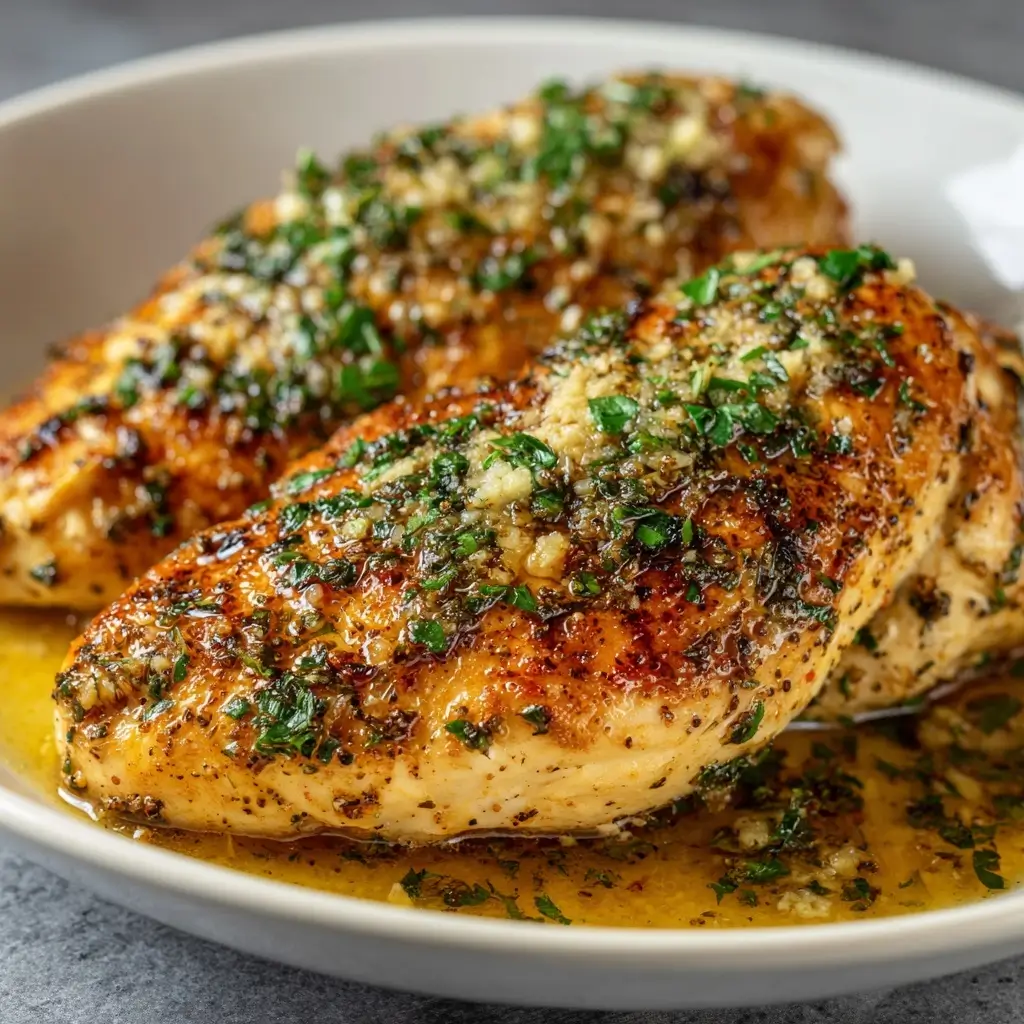
Garlic Butter Chicken Breast is a timeless, restaurant-quality dish that effortlessly bridges simplicity and sophistication. Revered for its rich, aromatic depth and tender, juicy texture, this recipe transforms an everyday protein into a luxurious weeknight meal—or an elegant centerpiece for special occasions. With just a handful of pantry staples and minimal hands-on time, it delivers maximum flavor: golden-brown seared chicken infused with the warm pungency of fresh garlic, the velvety richness of melted butter, and subtle herbal brightness. Whether you’re a beginner cook building confidence or a seasoned home chef seeking reliable, crowd-pleasing comfort food, Garlic Butter Chicken Breast stands out for its versatility, forgiving technique, and deeply satisfying sensory experience—crispy edges, succulent interior, and a glossy, herb-flecked sauce that begs to be sopped up with crusty bread, drizzled over mashed potatoes, or twirled into pasta.
The History
While no single origin story defines Garlic Butter Chicken Breast, its roots are deeply embedded in centuries-old culinary traditions that celebrate the alchemy of fat, aromatics, and protein. The use of garlic as a foundational flavoring agent dates back over 5,000 years—to ancient Egypt, where it was fed to laborers building the pyramids for strength and vitality, and later adopted across Mediterranean, Middle Eastern, and Asian cuisines for both medicinal and gustatory purposes. Butter, particularly clarified or cultured varieties, has been central to European cooking since at least the Middle Ages—especially in France, where beurre blanc and beurre noisette techniques refined the art of elevating proteins through emulsified, nutty, or silky butter sauces. The marriage of garlic and butter gained widespread popularity in mid-20th-century American home cooking, buoyed by postwar access to refrigeration (enabling easy butter storage), the rise of convenience ingredients like pre-minced garlic (though purists always preferred fresh), and the influence of French-inspired cookbooks such as those by Julia Child—whose emphasis on proper pan-searing and fond deglazing directly informs modern Garlic Butter Chicken methodology. Over time, the dish evolved beyond classic French bistro fare into a global staple: adapted in Italian kitchens with parsley and lemon (pollo al burro e aglio), reimagined in Korean-American fusion with gochujang and sesame, and embraced in health-conscious circles via ghee substitutions and air-fryer adaptations—all testifying to its enduring cultural resonance and remarkable adaptability across generations and geographies.
Ingredients Breakdown
Every exceptional Garlic Butter Chicken Breast begins not with technique—but with intentionality behind each ingredient. Understanding *why* each component matters empowers you to source wisely, substitute thoughtfully, and troubleshoot confidently:
- Chicken Breasts (boneless, skinless): Opt for air-chilled, antibiotic-free, and preferably organic or pasture-raised breasts for superior moisture retention and cleaner flavor. Look for even thickness (½–¾ inch) to ensure uniform cooking; if uneven, pound gently between parchment to ½-inch consistency. Brining (30 minutes in 4 cups cold water + ¼ cup kosher salt + 2 tbsp brown sugar) dramatically improves juiciness and seasoning penetration—especially critical for lean breast meat prone to drying out.
- Unsalted Butter: The soul of the sauce. High-fat (82%+), European-style cultured butter (e.g., Kerrygold, Plugrá) delivers deeper nuttiness and richer mouthfeel than standard American butter. Unsalted allows precise sodium control. Avoid margarine or spreads—they contain water and stabilizers that cause splattering and inhibit proper emulsification.
- Fresh Garlic: Non-negotiable. Pre-minced or jarred garlic lacks volatile sulfur compounds responsible for complex, sweet-pungent aroma and can impart a metallic or flat taste. Use 4–6 plump cloves, finely minced (not pasted)—mincing ruptures cell walls to release allicin, which mellows beautifully when cooked in butter but burns easily if overheated.
- Dry White Wine (optional but highly recommended): Acts as a deglazing agent to lift caramelized fond (those flavorful browned bits) from the pan while adding bright acidity and subtle fruit notes. Choose unoaked, high-acid wines like Sauvignon Blanc, Pinot Grigio, or dry Vermouth. Avoid “cooking wine”—its added salt and preservatives ruin balance.
- Lemon Juice & Zest: Fresh-squeezed juice adds vital acidity to cut through butter’s richness and brighten the entire profile. Microplaned zest contributes intense citrus oil fragrance without bitterness—added at the very end to preserve volatile aromatics.
- Fresh Herbs: Flat-leaf parsley is traditional for its clean, grassy bitterness and textural contrast. Optional additions: thyme (earthy, floral), rosemary (piney, robust—use sparingly), or chives (mild onion sweetness). Always add delicate herbs like parsley *off-heat* to retain color and freshness.
- High-Smoke-Point Oil: Avocado, grapeseed, or refined olive oil (not extra virgin) for initial searing. These withstand 400°F+ without smoking or imparting off-flavors—critical for achieving a deep, flavorful crust without burning garlic later.
- Seasonings: Diamond Crystal kosher salt (twice as light by volume as table salt—adjust if substituting) and freshly ground black pepper. Salt early (pre-sear) to enhance texture and flavor; pepper just before serving to preserve its volatile oils.
Step-by-Step Recipe
- Prep & Season: Pat chicken breasts *extremely dry* with paper towels—moisture is the enemy of browning. Place on a cutting board and, using a meat mallet or heavy skillet wrapped in plastic, gently pound thicker ends to an even ½-inch thickness. Rub all over with 1 tsp kosher salt and ½ tsp black pepper. Let rest at room temperature for 15–20 minutes (promotes even cooking).
- Heat Pan & Sear: Heat a heavy-bottomed 12-inch stainless steel or cast-iron skillet over medium-high heat for 2 minutes. Add 1 tbsp high-smoke-point oil and swirl to coat. When oil shimmers (but doesn’t smoke), carefully place chicken in pan, smooth-side down. Press gently with a spatula for 10 seconds to ensure full contact. Cook undisturbed for 5–6 minutes until deeply golden brown and easily releases from pan. Flip and cook opposite side 4–5 minutes, until internal temperature reaches 155°F (measured at thickest part with an instant-read thermometer). Transfer to a wire rack set over a plate—*do not cover*—to rest while making sauce (carryover cooking will bring it to safe 165°F).
- Build the Sauce: Reduce heat to medium-low. Pour off excess oil, leaving ~1 tsp. Add 2 tbsp unsalted butter and swirl until melted and foamy (about 30 seconds). Add minced garlic and stir constantly for 45–60 seconds until fragrant and just turning pale gold—*do not let brown or burn*. Immediately pour in ¼ cup dry white wine, scraping vigorously with a wooden spoon to dislodge all browned bits (fond) from the pan bottom. Simmer 1–2 minutes until liquid reduces by half and smells intensely aromatic.
- Enrich & Finish: Remove pan from heat. Whisk in remaining 2 tbsp cold butter, one tablespoon at a time, allowing each to fully melt and emulsify before adding the next. This creates a luxuriously thick, glossy, velvety sauce. Stir in 1 tbsp fresh lemon juice, 1 tsp lemon zest, and 2 tbsp finely chopped fresh parsley. Taste and adjust: a pinch more salt if needed, a squeeze more lemon for brightness, or a dash of cayenne for warmth.
- Combine & Serve: Return rested chicken to pan, spooning sauce generously over each breast. Let sit 1–2 minutes to gently reheat and absorb flavors. Spoon extra sauce over top and garnish with additional parsley, lemon wedges, and flaky sea salt (like Maldon) for textural contrast.
Tips
- Dry Chicken = Golden Crust: Wet chicken steams instead of sears. Pat *thoroughly*—even blot the underside after placing in the pan.
- Don’t Crowd the Pan: Cook in batches if necessary. Overcrowding drops pan temperature, causing steaming and gray, soggy chicken.
- Resist the Flip: Let chicken develop a proper crust before turning. If it sticks, it’s not ready—give it another 30 seconds.
- Garlic Timing is Critical: Add garlic *after* searing chicken and reducing heat. High heat turns garlic bitter in seconds.
- Cold Butter for Emulsion: Adding cold butter off-heat prevents breaking and ensures a stable, creamy sauce. Warm or hot butter causes separation.
- Rest Before Slicing: Resting 5–10 minutes allows juices to redistribute. Cutting too soon releases precious moisture onto the plate.
- Sauce Consistency Control: Too thin? Simmer 30 seconds longer. Too thick? Whisk in 1 tsp warm broth or water. Too salty? Balance with lemon juice or a pinch of sugar.
- Pan Choice Matters: Stainless steel or cast iron provides superior browning and fond development vs. nonstick (which inhibits crust formation).
- Thermometer Essential: Visual cues are unreliable. An instant-read thermometer eliminates guesswork and guarantees perfect doneness every time.
- Repurpose Leftovers: Shred cooled chicken for tacos, grain bowls, or creamy garlic butter chicken pasta—sauce doubles as a base for dressings or dips.
Variations and Customizations
This foundational recipe is a canvas for endless creativity—adaptable to dietary needs, global flavors, equipment constraints, and seasonal produce:
- Herb-Infused: Swap parsley for 1 tbsp fresh tarragon (French elegance), 2 tsp chopped chives + dill (Scandinavian freshness), or 1 tsp crushed fennel seeds + orange zest (Mediterranean brightness).
- Spiced & Smoky: Add ½ tsp smoked paprika to chicken before searing, or finish sauce with ¼ tsp chipotle powder + 1 tsp honey for sweet-heat complexity.
- Creamy Upgrade: Stir in 2 tbsp full-fat cream cheese or crème fraîche off-heat for decadent richness and tang.
- Umami Bomb: Deglaze with 2 tbsp low-sodium soy sauce or tamari + 1 tsp grated ginger instead of wine; finish with toasted sesame oil and scallions.
- Low-Carb/Keto: Replace wine with 2 tbsp dry sherry vinegar + 2 tbsp chicken broth; use ghee instead of butter for dairy sensitivity.
- Gluten-Free: Naturally GF—just verify wine and broth labels for hidden gluten (rare, but possible in flavored vinegars).
- Air Fryer Method: Toss chicken in 1 tbsp oil, salt, pepper; air fry at 375°F for 12–14 minutes, flipping halfway. Make sauce separately in skillet, then combine.
- Sheet Pan Roast: Arrange seasoned chicken on parchment-lined sheet pan; scatter whole garlic cloves and lemon slices around. Roast at 425°F for 20–22 minutes. Whisk roasted garlic, lemon juice, melted butter, and herbs into pan drippings for rustic sauce.
- One-Pot Pasta: After searing chicken, remove and set aside. Sauté garlic in same pan, add 8 oz short pasta (penne, fusilli), 3 cups broth, and simmer covered 12–15 minutes until pasta is al dente and liquid absorbed. Stir in chicken, butter, lemon, and herbs.
- Grilled Version: Marinate chicken 30 minutes in 2 tbsp olive oil, 3 minced garlic cloves, 1 tbsp lemon juice, herbs. Grill over medium-high heat 5–6 minutes per side. Baste last 2 minutes with garlic butter mixture.
Health Considerations and Nutritional Value
Garlic Butter Chicken Breast can be a nutrient-dense, balanced meal when prepared mindfully—offering high-quality protein, heart-healthy fats, and bioactive compounds—while remaining adaptable for various dietary frameworks:
- Protein Powerhouse: A 6-oz (170g) cooked chicken breast provides ~53g of complete protein—containing all 9 essential amino acids—crucial for muscle repair, satiety, immune function, and metabolic health.
- Garlic’s Medicinal Benefits: Rich in allicin (activated when crushed and exposed to air), garlic exhibits potent anti-inflammatory, antimicrobial, and cardiovascular-supportive properties—studies link regular consumption to modest reductions in blood pressure and LDL cholesterol.
- Butter’s Nuanced Profile: While high in saturated fat, butter contains fat-soluble vitamins A, D, E, and K2 (especially in grass-fed varieties), plus butyrate—a short-chain fatty acid shown to support gut barrier integrity and reduce intestinal inflammation. Moderation is key: this recipe uses 4 tbsp total butter (approx. 6g sat fat per serving), well within AHA guidelines (<13g sat fat/day on 2,000-calorie diet).
- Smart Swaps for Specific Goals:
- Lower-Calorie: Use 2 tbsp butter + 2 tbsp low-sodium chicken broth for sauce; skip added oil and spray pan lightly with avocado oil.
- Heart-Healthy Omega-3 Focus: Substitute half the butter with walnut oil or finish with 1 tsp flaxseed oil (added off-heat to preserve delicate fats).
- Lower-Sodium: Omit added salt; rely on garlic, lemon, herbs, and ¼ tsp umeboshi paste (fermented plum) for savory depth.
- Dairy-Free: Use high-quality vegan butter (Miyoko’s, Forager) and nutritional yeast (1 tsp) for cheesy umami.
- Nutrition Snapshot (per 6-oz serving, with full butter & wine): Approx. 420 kcal | 53g protein | 22g fat (12g sat) | 0g carbs | 180mg sodium | 0g sugar | Rich in selenium, niacin (B3), vitamin B6, and phosphorus. Pair with roasted vegetables (broccoli, asparagus) and quinoa for a complete, fiber-rich meal supporting glycemic control and sustained energy.
- Considerations: Those with GERD may find high-fat sauces trigger symptoms—opt for broth-based version. Individuals on blood thinners (warfarin) should maintain consistent vitamin K intake (parsley is high in K) rather than avoiding it entirely.
Ingredients
- 2 (6-oz) boneless, skinless chicken breasts, pounded to ½-inch thickness
- 1½ tsp Diamond Crystal kosher salt (or ¾ tsp table salt), divided
- 1 tsp freshly ground black pepper, divided
- 1 tbsp avocado oil or refined olive oil
- 4 tbsp unsalted butter, divided (2 tbsp + 2 tbsp)
- 4–6 garlic cloves, finely minced (about 1½ tbsp)
- ¼ cup dry white wine (Sauvignon Blanc or Pinot Grigio)
- 1 tbsp fresh lemon juice (from ½ lemon)
- 1 tsp lemon zest
- 2 tbsp fresh flat-leaf parsley, finely chopped
- Flaky sea salt (e.g., Maldon), for finishing
- Lemon wedges, for serving
Directions
- Pat chicken breasts extremely dry with paper towels. Pound to even ½-inch thickness. Rub with 1 tsp kosher salt and ½ tsp black pepper. Let sit at room temperature 15 minutes.
- Heat a 12-inch stainless steel or cast-iron skillet over medium-high heat 2 minutes. Add oil; heat until shimmering. Place chicken in pan and press gently. Cook 5–6 minutes undisturbed until deeply golden. Flip and cook 4–5 minutes until internal temp reaches 155°F. Transfer to wire rack; rest 5 minutes.
- Reduce heat to medium-low. Pour off excess oil, leaving 1 tsp. Add 2 tbsp butter; swirl until foamy. Add garlic; stir constantly 45–60 seconds until fragrant and pale gold.
- Pour in wine, scraping pan vigorously to lift fond. Simmer 1–2 minutes until reduced by half.
- Remove pan from heat. Whisk in remaining 2 tbsp cold butter, one piece at a time, until fully emulsified and glossy.
- Stir in lemon juice, lemon zest, parsley, remaining ½ tsp salt, and ½ tsp pepper.
- Return chicken to pan, spooning sauce over. Let sit 1–2 minutes. Garnish with flaky salt and lemon wedges. Serve immediately.
FAQ
- Can I use chicken thighs instead of breasts?
- Absolutely—and they’re even more forgiving! Boneless, skinless thighs stay juicier and take longer to overcook. Adjust sear time to 6–7 minutes per side; target 165°F internal temp. Thighs also pair beautifully with bolder flavors like smoked paprika or gochujang.
- Why did my sauce break or look greasy?
- Sauces break when butter separates—usually due to adding butter that’s too warm, overheating the pan during emulsification, or whisking too vigorously. Fix it by removing from heat, letting cool slightly, then slowly whisking in 1 tsp cold water or broth. Next time, ensure butter is cold and pan is off-heat.
- Can I make this ahead of time?
- Yes—with caveats. Cook chicken and sauce separately up to 2 days ahead. Store chicken chilled (uncovered to prevent sogginess) and sauce in airtight container. Reheat chicken gently in oven (325°F, 10 min) or skillet; warm sauce separately, then combine. Avoid reheating sauce multiple times—it may separate.
- Is there a dairy-free version that still tastes rich?
- Yes! Use high-fat, cultured coconut milk (full-fat canned, stirred well) as the base: simmer ½ cup with garlic and wine until reduced, then whisk in 1 tbsp nutritional yeast and 1 tsp miso paste for umami depth. Finish with lemon and herbs.
- What sides go best with Garlic Butter Chicken?
- Classic pairings maximize sauce absorption: creamy mashed potatoes, buttered egg noodles, risotto, or crusty artisan bread. For lighter options: roasted asparagus, lemon-dressed arugula salad, grilled zucchini ribbons, or cauliflower rice pilaf. Avoid overly sweet or heavy sides that compete with the garlic-butter harmony.
- Can I freeze leftovers?
- Chicken freezes well for up to 3 months (sauce does not freeze reliably—separates upon thawing). Cool completely, portion into airtight containers with minimal air. Thaw overnight in fridge; reheat gently in skillet with a splash of broth to refresh moisture.
- My garlic tasted bitter—what went wrong?
- Bitterness signals burnt garlic. This happens when garlic cooks too long or at too high heat. Always add it *after* searing chicken and *after* reducing pan heat. Stir constantly and remove from heat the second it becomes fragrant and golden—not brown.
- Can I use frozen chicken breasts?
- For best results, thaw completely in fridge overnight. If pressed for time, use the cold-water method (sealed bag, submerged 30–60 min), then pat *extremely* dry. Never cook frozen chicken breasts for this recipe—they’ll steam, not sear, and won’t develop proper fond.
- Is this recipe Whole30 or Paleo compliant?
- Yes—with simple swaps: omit wine (replace with 2 tbsp apple cider vinegar + 2 tbsp chicken broth), use ghee instead of butter, and ensure all seasonings are additive-free. Serve with roasted sweet potatoes or sautéed greens.
- How do I get restaurant-level presentation?
- Plate on warm, wide-rimmed plates. Slice chicken diagonally against the grain for tenderness. Spoon sauce in a pool beneath, place chicken atop, then drizzle extra sauce in a zigzag. Garnish with microgreens, edible flowers, lemon zest curls, and a final flake of sea salt. Wipe plate edges clean with a damp cloth.
Summary
Garlic Butter Chicken Breast is an elegant yet accessible masterpiece—where perfectly seared, juicy chicken meets a velvety, aromatic sauce built from humble pantry staples and precise technique.
With its rich history, nutritional intelligence, boundless customization, and foolproof method, it transcends trendiness to become a lifelong kitchen essential—equally at home on a Tuesday night or a celebratory dinner table.