Introduction
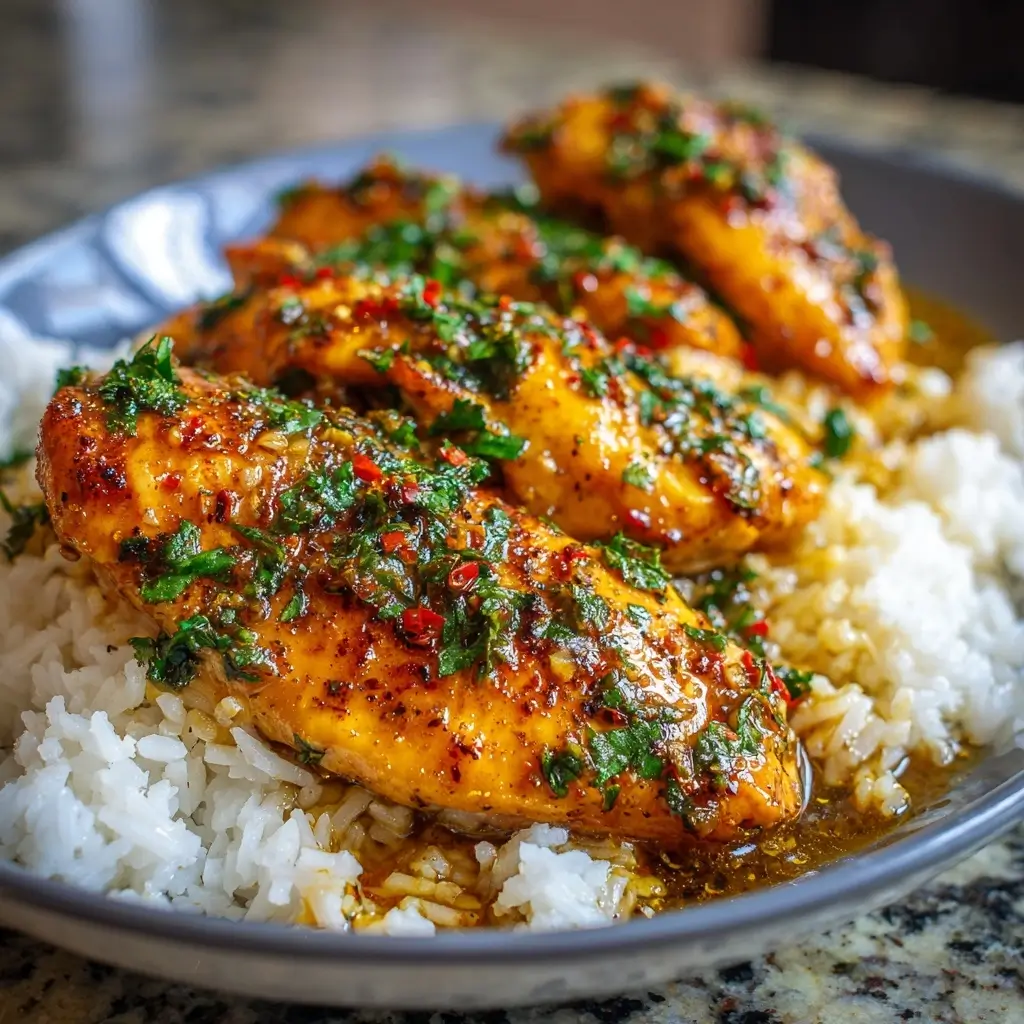
Honey Garlic Butter Chicken is a beloved, globally adored dish that marries the rich umami depth of garlic, the luxurious silkiness of melted butter, and the warm, floral sweetness of honey into one harmonious, restaurant-quality meal—all achievable in under 30 minutes in your own kitchen. This dish transcends cultural boundaries: it’s as much at home on a weeknight family dinner table in suburban Ohio as it is served as a crowd-pleasing appetizer at a Korean-inspired pop-up in Toronto or a cozy bistro in Melbourne. Its irresistible aroma—caramelizing honey mingling with sizzling garlic and golden-brown chicken—fills your home like a savory perfume, instantly elevating mood, appetite, and ambiance. Whether you’re a novice cook seeking foolproof success or an experienced home chef looking for a versatile, flavor-forward centerpiece, Honey Garlic Butter Chicken delivers consistent excellence, visual appeal, and deeply satisfying comfort with minimal effort and maximum impact.
The History
While no single documented “origin story” exists for Honey Garlic Butter Chicken as a named dish, its roots are deeply interwoven with centuries-old culinary traditions across multiple continents. Garlic has been prized for both medicinal and culinary purposes since ancient Egypt (over 5,000 years ago), while honey—nature’s original sweetener—was revered by civilizations from Mesopotamia to Greece for its preservative qualities and rich flavor. The union of garlic and honey appears early in medieval European apothecary texts and rustic peasant cooking, where honey preserved garlic-infused oils and syrups. Meanwhile, butter-based pan sauces have long been staples in French cuisine (think *beurre blanc* and *beurre noir*), emphasizing emulsification, richness, and reduction techniques. In East Asia—particularly Korea and China—sweet-savory glazes using fermented soy, rice wine, and natural sweeteners like honey or malt syrup laid foundational principles for modern interpretations. The contemporary Americanized version of Honey Garlic Butter Chicken likely emerged in the late 20th century, influenced by the rise of “fusion” cooking, the popularity of stir-fry culture in North America, and the widespread availability of high-quality imported honeys and artisanal butters. Food bloggers and viral recipe platforms in the 2010s catapulted it into mainstream consciousness—its photogenic golden sheen, easy ingredient list, and forgiving technique making it ideal for social media. Today, it stands as a testament to culinary globalization: a dish born not from one nation, but from the quiet, delicious convergence of ancient wisdom, regional ingenuity, and modern accessibility.
Ingredients Breakdown
Every extraordinary dish begins with intentionality—and understanding *why* each ingredient matters transforms good cooking into great cooking. Below is a meticulous, chef-level breakdown of every component in Honey Garlic Butter Chicken—not just what goes in, but how it functions, what to look for, and common pitfalls to avoid:
- Chicken Breast or Thighs (1.5 lbs / 680g): Boneless, skinless chicken breasts offer lean elegance and quick cooking, but can dry out if overcooked. Chicken thighs—especially boneless, skinless—deliver superior moisture, richer flavor, and greater forgiveness during searing and simmering thanks to their higher fat content. For best results, choose thighs if you prioritize tenderness; breasts if you prefer lower fat and firmer texture. Always pat dry thoroughly before seasoning—this ensures proper browning (the Maillard reaction) rather than steaming.
- Unsalted Butter (½ cup / 113g, 4 tbsp): Unsalted is non-negotiable—it allows precise sodium control. High-fat European-style butter (82–86% butterfat) yields a silkier, more stable sauce with deeper nutty notes when browned. Avoid margarine or spreads—they contain water and stabilizers that break emulsions and mute flavor.
- Raw Honey (⅓ cup / 80ml): Raw, unfiltered honey retains delicate floral notes and natural enzymes that contribute complexity. Clover, orange blossom, or tupelo honeys offer mild sweetness; darker varietals like buckwheat add molasses-like depth. Never substitute corn syrup or agave—the lack of natural fructose/glucose balance inhibits proper caramelization and alters pH, risking sauce separation.
- Fresh Garlic (6–8 large cloves, finely minced or pressed): Freshness is paramount. Pre-minced jarred garlic lacks volatile aromatic compounds and often contains preservatives that dull flavor and impart bitterness. Mince just before use—exposure to air oxidizes allicin, transforming pungency into nuanced sweetness during cooking. For layered flavor, add half the garlic while sautéing the chicken (for roasted depth) and half near the end (for bright, fresh punch).
- Soy Sauce (3 tbsp, low-sodium preferred): Adds essential umami, salt, and color. Low-sodium soy sauce gives you full control over seasoning without overwhelming saltiness. Tamari is an excellent gluten-free alternative; coconut aminos provide a milder, slightly sweeter profile for sensitive palates. Avoid “light” or “all-purpose” soy sauces with added MSG or caramel color unless specified.
- Rice Vinegar (1 tbsp): A subtle acid that balances honey’s cloying sweetness and cuts through butter’s richness. Its mild, clean tang enhances brightness without overpowering. Apple cider vinegar may be substituted in a pinch—but reduce by ½ tsp due to stronger acidity; white vinegar is too harsh.
- Black Pepper (1 tsp freshly ground): Freshly cracked black pepper releases volatile oils (like piperine) that lend warmth and aromatic lift. Pre-ground pepper loses potency within weeks. Toast whole peppercorns lightly in a dry pan before grinding for even more complexity.
- Red Pepper Flakes (¼–½ tsp, optional but recommended): Not for heat alone—these add fruity, smoky top notes and subtle texture. Korean gochugaru (coarse chili flakes) is an exceptional upgrade, offering vibrant color and balanced spice. Adjust to taste: start with ¼ tsp and add more after tasting the sauce.
- Green Onions (¼ cup, thinly sliced, for garnish): Used exclusively as a fresh finish—never cooked. Their crisp bite and grassy aroma cut through richness and signal freshness. Reserve the dark green parts for garnish; they hold up better than pale bulbs.
- Optional Enhancements: A splash of dry sherry or mirin (1 tsp) adds fermented depth; grated fresh ginger (1 tsp) introduces zesty warmth; a teaspoon of Dijon mustard acts as an emulsifier and adds tangy nuance; toasted sesame seeds lend nutty crunch and visual contrast.
Step-by-Step Recipe
This method prioritizes control, consistency, and layered flavor development—no rushed steps, no hidden shortcuts. Each phase builds upon the last to create a glossy, cohesive, restaurant-caliber sauce that clings luxuriously to tender chicken.
- Prep & Pat Dry: Slice chicken into uniform 1-inch cubes or ½-inch thick cutlets (for even cooking). Place on a triple-layered paper towel, cover with another towel, and press gently for 2 minutes to remove surface moisture. Season both sides generously with salt and pepper.
- Shallow-Sear the Chicken: Heat 1 tbsp neutral oil (avocado or grapeseed) in a heavy-bottomed stainless steel or cast-iron skillet over medium-high heat until shimmering. Add chicken in a single layer—do not overcrowd (work in batches if needed). Sear undisturbed for 3–4 minutes per side until deeply golden brown and just cooked through (165°F internal temp). Transfer to a clean plate and tent loosely with foil.
- Build the Aromatic Base: Reduce heat to medium-low. Add 2 tbsp butter to the same skillet. Once melted and foaming subsides, add half the minced garlic and sauté for 45 seconds—just until fragrant and lightly golden. Do not let it brown or burn; stir constantly.
- Reduce & Deepen Flavor: Pour in soy sauce, rice vinegar, honey, black pepper, and red pepper flakes. Whisk vigorously to combine and scrape up any flavorful browned bits (fond) from the pan bottom—a critical step for umami depth. Bring to a gentle simmer and cook for 2 minutes, stirring occasionally, allowing flavors to meld and liquid to reduce by ~20%.
- Emulsify with Butter: Reduce heat to low. Whisk in remaining 2 tbsp cold, cubed butter—one piece at a time—allowing each to melt fully and incorporate before adding the next. This gradual tempering creates a velvety, stable emulsion. Continue whisking for 1–2 minutes until sauce thickens slightly, glistens, and coats the back of a spoon.
- Finish with Brightness: Remove from heat. Stir in remaining raw garlic (for fresh aroma), then gently fold in the seared chicken and any accumulated juices. Let rest off-heat for 90 seconds—this allows the sauce to cling and penetrate without overcooking the chicken.
- Garnish & Serve Immediately: Transfer to a warmed serving platter. Drizzle with any remaining sauce from the pan. Scatter generously with sliced green onions. Optional: finish with a light sprinkle of toasted sesame seeds or micro cilantro.
Tips
- Temperature Control Is Everything: Butter burns easily above 350°F. Keep heat at medium-low during sauce building—and never walk away during the emulsification stage. If sauce starts separating, immediately remove from heat, whisk in 1 tsp cold water or cream, and slowly re-warm while whisking.
- The “Cold Butter, Hot Pan” Paradox: Adding cold, cubed butter to a warm (not hot) sauce ensures slow melting and proper fat dispersion. Dropping room-temp or melted butter causes greasiness and broken emulsions.
- Respect the Rest: Allowing the finished dish to sit off-heat for 90 seconds lets residual heat gently finish the chicken while the sauce sets—preventing rubbery texture and maximizing absorption.
- Acid Timing Matters: Adding vinegar early helps deglaze and build base flavor; adding a splash of fresh citrus juice (like lime) at the very end adds exhilarating brightness—try it as a finishing touch.
- Double the Sauce (Wisely): If you love extra sauce for drizzling over rice or roasted vegetables, increase honey, soy, and vinegar by 50%, but keep butter quantity the same—excess fat overwhelms balance.
- Non-Stick Warning: While convenient, non-stick pans inhibit fond development—the foundation of deep flavor. Use stainless steel or cast iron for best results. If you must use non-stick, add ½ tsp tomato paste with the garlic to boost umami and color.
- Batch Cooking Hack: Double the marinade portion (soy, honey, vinegar, garlic, spices) and refrigerate for up to 3 days. Marinate chicken for 30–60 minutes before cooking—adds tenderness and infuses flavor deep into the meat.
Variations and Customizations
This dish is a canvas—not a cage. Below are thoughtfully curated adaptations, each preserving the core harmony while inviting creativity, dietary alignment, or global inspiration:
- Korean-Inspired Gochujang Swirl: Replace 1 tbsp soy sauce with 1 tbsp gochujang (Korean chili paste). Add 1 tsp grated Asian pear or apple for natural tenderizing enzymes. Garnish with pickled radish and toasted pine nuts.
- Mediterranean Herb & Lemon: Omit red pepper flakes. Stir in 1 tbsp chopped fresh oregano and 1 tsp lemon zest at the end. Finish with crumbled feta and kalamata olives.
- Low-Carb / Keto Version: Substitute sugar-free maple-flavored syrup (e.g., Lakanto) for honey. Increase butter to ⅔ cup and add 1 tsp xanthan gum (whisked into cold water first) to stabilize the sauce. Serve over cauliflower rice or zucchini noodles.
- Vegan “Butter” Chicken: Use high-quality vegan butter (Miyoko’s or Earth Balance), tamari, maple syrup, and nutritional yeast (1 tbsp) for umami. Sauté king oyster mushrooms or pressed tofu instead of chicken. Add 1 tsp smoked paprika for depth.
- Smoky Chipotle Infusion: Blend 1 canned chipotle pepper in adobo sauce + 1 tsp adobo sauce into the sauce base. Pair with grilled corn and black bean salsa.
- Breakfast Twist: Serve over creamy polenta or sweet potato hash. Top with a soft-poached egg—the yolk enriches the sauce further.
- Meal-Prep Friendly Batch: Cook chicken and sauce separately. Store sauce chilled for up to 5 days or frozen for 3 months. Reheat sauce gently, then toss with freshly seared or roasted chicken just before serving—guarantees perfect texture every time.
Health Considerations and Nutritional Value
A single 6-ounce (170g) serving of Honey Garlic Butter Chicken (made with skinless chicken thighs, 4 tbsp butter, and ⅓ cup raw honey) provides approximately:
- Calories: ~520 kcal
- Protein: 38g (excellent complete protein source supporting muscle repair and satiety)
- Fat: 32g (primarily unsaturated fats from butter and chicken; includes beneficial butyric acid and conjugated linoleic acid [CLA] from grass-fed sources)
- Carbohydrates: 24g (naturally occurring sugars from honey; zero added refined sugars)
- Sodium: ~580mg (moderate—easily adjusted by using low-sodium soy sauce and omitting added salt)
- Vitamins & Minerals: Rich in selenium (supports thyroid and antioxidant function), vitamin B6 (nerve health), zinc (immune support), and choline (brain and liver health). Garlic contributes allicin (anti-inflammatory, cardiovascular support), while raw honey offers polyphenols and prebiotic oligosaccharides.
Dietary Notes: Naturally gluten-free (with tamari), dairy-containing (butter), and nut-free. To reduce saturated fat, substitute half the butter with avocado oil or olive oil—but retain at least 2 tbsp butter for authentic flavor and emulsion stability. For blood sugar sensitivity, pair with high-fiber sides (roasted broccoli, quinoa, lentils) to slow glucose absorption. Those managing cholesterol should opt for chicken breast and limit butter to 3 tbsp—still yielding a luscious result. Always consult a registered dietitian for personalized guidance.
Ingredients
- 1.5 lbs (680g) boneless, skinless chicken thighs (or breasts), cut into 1-inch pieces
- ½ cup (113g / 4 tbsp) unsalted butter, cold and cubed
- ⅓ cup (80ml) raw, unfiltered honey
- 6–8 large garlic cloves, finely minced (divided)
- 3 tbsp low-sodium soy sauce (or tamari for gluten-free)
- 1 tbsp rice vinegar
- 1 tsp freshly ground black pepper
- ¼–½ tsp red pepper flakes (adjust to taste)
- 1 tbsp neutral high-heat oil (avocado, grapeseed, or refined coconut)
- ¼ cup green onions, thinly sliced (green parts only)
- Kosher salt, to taste (start with ¾ tsp)
- Optional: 1 tsp toasted sesame seeds, 1 tsp fresh ginger (grated), or 1 tsp Dijon mustard
Directions
- Pat chicken pieces extremely dry with paper towels. Season evenly with salt and pepper.
- Heat oil in a large heavy-bottomed skillet over medium-high heat until shimmering. Add chicken in a single layer (cook in batches if needed). Sear 3–4 minutes per side until golden brown and cooked through (165°F). Transfer to a plate; tent with foil.
- Reduce heat to medium-low. Add 2 tbsp butter to the skillet. Once melted and foamy, add half the garlic and sauté 45 seconds until fragrant.
- Add soy sauce, rice vinegar, honey, black pepper, and red pepper flakes. Whisk well, scraping up browned bits. Simmer gently 2 minutes.
- Reduce heat to low. Whisk in remaining 2 tbsp cold butter, one cube at a time, letting each fully melt and incorporate before adding the next. Whisk 1–2 minutes until glossy and slightly thickened.
- Remove from heat. Stir in remaining raw garlic. Gently fold in chicken and any juices. Rest off-heat 90 seconds.
- Transfer to serving platter. Drizzle with pan sauce. Garnish generously with green onions—and optional sesame seeds or herbs.
- Serve immediately alongside steamed jasmine rice, garlic mashed potatoes, or roasted seasonal vegetables.
FAQ
- Can I make this in a slow cooker?
- Yes—with modifications: Skip searing. Combine all sauce ingredients (except cold butter and fresh garlic) in the slow cooker. Add raw chicken. Cook on LOW 4 hours. During last 15 minutes, stir in cold butter cubes and raw garlic. Thicken with 1 tsp cornstarch slurry if needed.
- Why did my sauce break or become greasy?
- Most commonly caused by overheating butter or adding it too quickly. Always use low heat and cold, cubed butter—whisking constantly. If broken, remove from heat, add 1 tsp cold water or cream, and whisk vigorously while slowly reheating.
- Can I use frozen chicken?
- Yes—but thaw completely and pat *extremely* dry. Frozen chicken releases excess water, preventing proper sear and diluting sauce flavor.
- How do I store and reheat leftovers?
- Refrigerate in an airtight container up to 4 days. Reheat gently in a skillet over low heat with 1 tsp water or broth to refresh the sauce. Avoid microwaving uncovered—it dries out chicken and separates butter.
- Is there a way to make it spicier without overwhelming heat?
- Absolutely. Add ½ tsp gochujang or harissa during sauce reduction for complex, smoky heat—or stir in 1 finely minced serrano pepper (seeds removed) with the final garlic.
- Can I air-fry the chicken instead of pan-searing?
- Yes! Toss chicken with 1 tsp oil, salt, and pepper. Air-fry at 400°F for 12–14 minutes, flipping halfway, until golden and 165°F. Proceed with sauce steps as directed.
- What wine pairs well with this dish?
- A slightly off-dry Riesling or Gewürztraminer balances sweetness and acidity beautifully. For red lovers, try a low-tannin Pinot Noir with bright cherry notes.
- Can I double the recipe for a crowd?
- Yes—but use two skillets or a wide Dutch oven. Do not overcrowd the pan during searing. Make sauce in batches or increase reduction time slightly to ensure proper thickening.
Summary
Honey Garlic Butter Chicken is a masterclass in balancing sweet, savory, rich, and bright—transforming humble pantry staples into a deeply comforting, visually stunning, and universally beloved main course. With its adaptable technique, nutritionally thoughtful foundation, and endless avenues for creative expression, it remains a timeless favorite for cooks of every generation and lifestyle.
Whether served over steamed rice on a rainy Tuesday or elegantly plated for guests with herb oil and microgreens, this dish proves that extraordinary flavor doesn’t require complexity—just respect for ingredients, patience with process, and joy in the shared act of nourishment.