Introduction
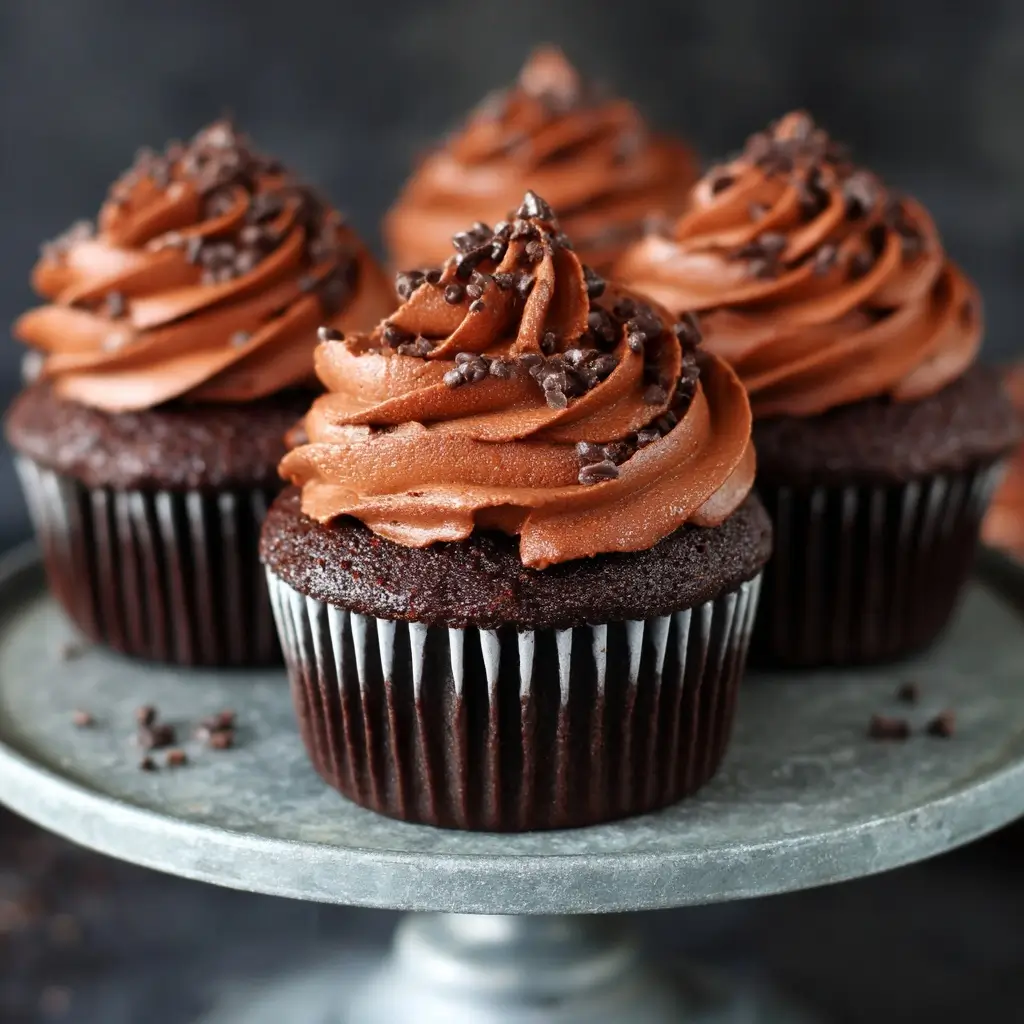
One Bowl Chocolate Cupcakes are the ultimate baking hero for home bakers—effortless, deeply chocolatey, and consistently moist with a tender crumb that melts on the tongue. Designed for simplicity without sacrificing flavor or texture, this recipe eliminates the need for multiple bowls, electric mixers, or complex techniques. Whether you’re a novice baker rushing to whip up a last-minute treat, a busy parent seeking a stress-free dessert with kids, or an experienced cook craving nostalgic comfort in minimal time, these cupcakes deliver rich cocoa satisfaction in under 30 minutes from start to finish. Their magic lies not in complexity—but in thoughtful ingredient synergy, smart mixing order, and the forgiving nature of one-bowl methodology that minimizes cleanup while maximizing joy.
The History
The concept of “one-bowl” baking emerged as a response to mid-20th-century shifts in home economics, kitchen technology, and evolving expectations around convenience. While classic chocolate cupcake recipes date back to the early 1900s—with the first known printed version appearing in the 1919 edition of The Boston Cooking-School Cook Book by Fannie Farmer—these early versions required creaming butter and sugar separately, sifting dry ingredients, alternating additions of milk and flour, and often folding in egg whites for lift. The true evolution toward streamlined methods accelerated in the 1950s and ’60s with the rise of boxed cake mixes (like Duncan Hines’ 1951 “Choc-Lat” mix), which normalized the idea of combining *all* ingredients in a single vessel. Home economists and magazine test kitchens—including those at Betty Crocker, Good Housekeeping, and later Bon Appétit—began reverse-engineering foolproof scratch versions using similar logic: dissolving cocoa in hot liquid to bloom flavor, pre-mixing dry ingredients to prevent overmixing, and leveraging the emulsifying power of oil and eggs for consistent moisture. By the 2000s, food bloggers and viral recipe developers further refined the technique—introducing brown sugar for caramel depth, espresso powder for chocolate amplification, and vinegar/baking soda boosts for extra rise—culminating in today’s modern One Bowl Chocolate Cupcake: a globally beloved, scientifically grounded, and warmly democratic dessert that honors tradition while embracing accessibility.
Ingredients Breakdown
Every ingredient in this recipe serves a precise functional and sensory role—no filler, no afterthoughts:
- All-Purpose Flour (1 ½ cups / 180g): Provides gluten structure for gentle lift and crumb integrity. Not bread flour (too chewy) nor cake flour (too fragile)—AP strikes the ideal balance. Sifting is optional but recommended if your flour has compacted.
- Granulated Sugar (1 cup / 200g): Sweetens, tenderizes, and aids browning via caramelization during baking. Fine granulation ensures even dissolution in the wet mixture.
- Brown Sugar (½ cup / 100g, packed): Adds molasses-derived moisture, acidity (which reacts with baking soda), and deep, toffee-like notes that round out cocoa’s bitterness.
- Unsweetened Natural Cocoa Powder (¾ cup / 75g): Use 100% pure cocoa—not Dutch-processed—for optimal reaction with baking soda. Natural cocoa is acidic, activating the leaveners for maximum rise and delivering bold, fruity, slightly astringent chocolate character. Brands like Hershey’s Special Dark (natural, not Dutch) or Ghirardelli Unsweetened work exceptionally well.
- Baking Soda (1 tsp): Reacts instantly with the acid from brown sugar, cocoa, and vinegar to produce carbon dioxide bubbles—creating lift *before and during* baking. Critical for the cupcakes’ signature airy-yet-moist texture.
- Baking Powder (½ tsp): Provides secondary, heat-activated lift for insurance against flatness—especially helpful at high altitudes or with variable oven temperatures.
- Salt (½ tsp): Enhances all other flavors, suppresses bitterness, and balances sweetness. Fine sea salt or kosher salt (if measuring by volume) integrates seamlessly.
- Eggs (2 large, room temperature): Act as emulsifiers (binding fat and water), add structure via proteins, and contribute richness and color. Room temperature prevents seizing when mixed with warm liquids.
- Vegetable Oil (½ cup / 120ml): A neutral, liquid fat that yields unparalleled moisture and tenderness—unlike butter, it doesn’t solidify upon cooling, so cupcakes stay soft for days. Can substitute with canola, grapeseed, or light olive oil (avoid extra virgin).
- Vanilla Extract (2 tsp, pure): Adds aromatic complexity and rounds out chocolate’s sharp edges. Imitation vanilla lacks nuance and can taste artificial under heat.
- Buttermilk (1 cup / 240ml, full-fat preferred): Its acidity activates leaveners, its proteins tenderize gluten, and its cultured tang adds subtle brightness. If unavailable, make a substitute: 1 cup whole milk + 1 tbsp white vinegar or lemon juice, rested 5–10 minutes until curdled.
- Hot Strong Coffee (½ cup / 120ml, freshly brewed, not instant): The secret amplifier. Coffee doesn’t make cupcakes taste like coffee—it deepens chocolate’s flavor compounds, enhances bitterness balance, and improves moisture retention. Decaf works perfectly if caffeine is a concern.
- White Vinegar (1 tsp): An extra acidity boost that ensures full activation of baking soda, especially important if your cocoa or buttermilk is less acidic than expected. Also helps keep the batter pH optimal for rich color development.
Note on Add-Ins: While optional, ½ cup of high-quality semi-sweet or bittersweet chocolate chips folded in *after* mixing adds delightful melty pockets—but omit if aiming for ultra-fudgy density.
Step-by-Step Recipe
- Preheat & Prep (5 minutes): Position oven rack in the center. Preheat oven to 350°F (175°C). Line a standard 12-cup muffin tin with high-quality paper liners (or grease and flour if using silicone cups). Do not skip lining—this recipe’s moistness makes cupcakes prone to sticking.
- Dry Whisk (2 minutes): In a large, heatproof mixing bowl (minimum 4-quart capacity), whisk together flour, granulated sugar, brown sugar, cocoa powder, baking soda, baking powder, and salt until fully homogenized and no cocoa lumps remain. Whisking dry ingredients first ensures even distribution of leaveners and prevents bitter pockets.
- Bloom the Cocoa (1 minute): Pour hot coffee and hot buttermilk directly into the dry mixture. Immediately whisk vigorously in a circular motion for 30–45 seconds until smooth, glossy, and fully combined—no dry streaks, no graininess. This step “blooms” the cocoa, releasing volatile aromatics and dissolving solids completely. The batter will be thin and fluid—this is correct.
- Add Wet Ingredients (2 minutes): Gently whisk in vegetable oil, eggs (one at a time, ensuring each is fully incorporated before adding the next), vanilla extract, and white vinegar. Continue whisking just until uniform—about 30 seconds total. Avoid overmixing; a few small lumps are acceptable and preferable to developing gluten toughness.
- Final Rest (1 minute): Let the batter sit undisturbed for 60 seconds. This allows air bubbles introduced during whisking to settle and gluten strands to relax—resulting in more even rise and finer crumb.
- Fill & Bake (20–22 minutes): Using a ¼-cup ice cream scoop or measuring cup, evenly divide batter among lined cups—fill each about ⅔ to ¾ full (approx. 3–4 tbsp per cup). Tap the filled pan firmly twice on the counter to release trapped air bubbles. Place in preheated oven. Bake for 18 minutes, then rotate pan front-to-back. Continue baking 2–4 more minutes—until a toothpick inserted into the center of a cupcake comes out with *moist crumbs* (not wet batter, not completely clean). Overbaking leads to dryness; underbaking causes collapse. Total bake time usually falls between 20–22 minutes.
- Cool (15+ minutes): Remove pan from oven and let cupcakes cool in the tin for exactly 10 minutes—this allows steam to escape gradually and structure to set. Then carefully transfer cupcakes to a wire rack and cool completely (minimum 25–30 minutes) before frosting. Warm cupcakes will melt buttercream and cause frosting to slide.
Tips
- Room Temperature Matters: Cold eggs or buttermilk can cause the hot liquid mixture to seize or separate. If short on time, place eggs in warm water for 5 minutes and measure buttermilk in a warm Pyrex.
- Whisk, Don’t Beat: A balloon whisk gives superior aeration and control versus a spoon or spatula. Never use an electric mixer—it develops excess gluten and incorporates too much air, leading to tunnels or domed, cracked tops.
- Hot Liquid = Non-Negotiable: Coffee and buttermilk must be steaming hot (180–200°F) to properly dissolve cocoa and activate starches. Microwave cold liquids for 45–60 seconds until bubbling at edges.
- Altitude Adjustments: Above 3,000 ft? Reduce baking powder to ¼ tsp, increase oven temp to 360°F, and add 1 extra tbsp buttermilk to combat dry air.
- Don’t Peek Early: Opening the oven door before 16 minutes risks collapse due to sudden temperature drop. Use the oven light!
- Uniform Filling = Even Baking: Invest in a spring-release cookie scoop—it ensures identical portioning and eliminates doming discrepancies.
- Freeze for Freshness: Unfrosted, completely cooled cupcakes freeze beautifully for up to 3 months. Wrap individually in plastic wrap, then place in a freezer bag. Thaw overnight at room temperature—frost once fully thawed.
- Make-Ahead Batter: You can prepare the dry mix up to 1 week ahead in an airtight container. Combine with hot liquids and wet ingredients only when ready to bake.
- Perfect Cupcake Shape: For bakery-style tall, domed cupcakes, fill liners ¾ full and start baking at 400°F for 5 minutes—then reduce to 350°F for remaining time. The initial burst creates rapid oven spring.
- Cooling Is Part of Baking: Skipping the 10-minute tin rest results in soggy bottoms and fragile sides that tear when removed. Patience rewards you with structural integrity.
Variations and Customizations
This foundational recipe is endlessly adaptable—here’s how to elevate, personalize, or dietary-modify without compromising texture or reliability:
- Gluten-Free: Substitute flour 1:1 with a blend containing xanthan gum (e.g., King Arthur Measure for Measure or Bob’s Red Mill 1-to-1). Add ¼ tsp xanthan gum if your blend doesn’t include it. Increase buttermilk by 1 tbsp for moisture compensation.
- Vegan: Replace eggs with 2 flax eggs (2 tbsp ground flaxseed + 6 tbsp warm water, rested 10 mins); use plant-based buttermilk (1 cup unsweetened soy or oat milk + 1 tbsp lemon juice); swap oil for melted coconut oil; ensure cocoa and sugars are vegan-certified.
- Double Chocolate: Fold in ½ cup mini chocolate chips *after* final mixing—or top each cupcake with 1 chocolate square before baking for a molten center.
- Espresso Infusion: Add 1–2 tsp instant espresso powder to dry ingredients for intense café-style depth (enhances, not replaces, coffee’s role).
- Orange Zest & Dark Chocolate: Add 1 tbsp finely grated orange zest to wet ingredients and fold in ⅓ cup chopped dark orange chocolate (70% cacao) for a sophisticated citrus-chocolate pairing.
- Peanut Butter Swirl: After filling liners, dollop ½ tsp creamy peanut butter on top of each cupcake. Use a toothpick to gently swirl—don’t overmix. Creates stunning marbling and rich contrast.
- Red Velvet Twist: Replace 2 tbsp cocoa with 2 tbsp red food gel (not powder—too drying) and add 1 tsp white vinegar. Omit coffee; use hot water instead. Frost with cream cheese icing.
- Spiced Mexican Chocolate: Add 1 tsp ground cinnamon, ¼ tsp chipotle powder, and a pinch of cayenne to dry ingredients. Top with flaky sea salt after frosting.
- Mini Cupcakes: Fill mini muffin tins ⅔ full and bake at 350°F for 10–12 minutes. Yields ~36 minis—ideal for parties or portion control.
- Sheet Cake Version: Pour batter into a greased 9×13-inch pan. Bake at 350°F for 28–32 minutes. Cool thoroughly before cutting into squares—frosts beautifully as a layerless celebration cake.
Health Considerations and Nutritional Value
While inherently indulgent, this recipe includes intentional choices that improve nutritional profile and digestibility *without* calling it “healthy”—because honesty matters in baking:
- Reduced Refined Sugar: At 1 ½ cups total sugar for 12 servings (~200 calories per unfrosted cupcake), it contains 25% less sugar than many vintage cupcake recipes—achievable thanks to brown sugar’s moisture-retaining molasses and the flavor-enhancing power of coffee and espresso.
- No Butter, No Shortening: Vegetable oil contributes monounsaturated fats and zero cholesterol. It’s also naturally trans-fat-free and more stable at high heat than butter—reducing oxidative byproducts.
- Natural Cocoa Benefits: Rich in flavanols (antioxidants linked to cardiovascular and cognitive support), magnesium, iron, and fiber. Natural cocoa retains more flavanols than Dutch-processed, which undergoes alkalization that degrades up to 90% of them.
- Buttermilk Advantage: Contains probiotics (live cultures), calcium, potassium, and bioavailable B12—plus its lactic acid aids mineral absorption and supports gut-friendly digestion.
- Lower Gluten Development: The one-bowl, minimal-mix method and oil-based structure yield lower gluten formation than creamed butter recipes—making them gentler on sensitive stomachs (though still not gluten-free unless adapted).
- Frosting Note: Nutritionals assume unfrosted cupcakes. A standard American buttercream (1 cup butter + 4 cups powdered sugar + 2 tbsp milk + 2 tsp vanilla) adds ~280 calories and 32g sugar per cupcake. Opt for whipped ganache (equal parts heavy cream + dark chocolate), Greek yogurt frosting, or a dusting of cocoa + flaky salt for dramatically lighter finishing options.
- Calorie Estimate (per unfrosted cupcake): ~225 kcal | 32g carbs (22g sugars) | 3g protein | 10g fat (1.5g saturated) | 1g fiber | 180mg sodium | 15% DV Iron | 8% DV Magnesium
Important Disclaimer: These cupcakes are not a substitute for medical nutrition therapy. Individuals with diabetes should consult a registered dietitian for carb-counting integration. Those managing hypertension should monitor sodium intake—note that most commercial cocoa powders contain added sodium (check labels; choose unsalted varieties like Cacao Barry or Valrhona).
Ingredients
- 1 ½ cups (180g) all-purpose flour
- 1 cup (200g) granulated sugar
- ½ cup (100g) packed light or dark brown sugar
- ¾ cup (75g) unsweetened natural cocoa powder (non-alkalized)
- 1 teaspoon baking soda
- ½ teaspoon baking powder
- ½ teaspoon fine sea salt
- 2 large eggs, room temperature
- ½ cup (120ml) neutral vegetable oil (e.g., canola or grapeseed)
- 2 teaspoons pure vanilla extract
- 1 cup (240ml) full-fat buttermilk, hot (180–200°F)
- ½ cup (120ml) strong hot brewed coffee (decaf OK)
- 1 teaspoon distilled white vinegar
Directions
- Preheat oven to 350°F (175°C). Line a 12-cup muffin tin with paper liners.
- In a large heatproof bowl, whisk together flour, granulated sugar, brown sugar, cocoa powder, baking soda, baking powder, and salt until uniform and lump-free.
- Pour hot buttermilk and hot coffee into the dry mixture. Whisk vigorously for 45 seconds until smooth, glossy, and fully combined.
- Add oil, eggs (one at a time), vanilla, and vinegar. Whisk gently just until incorporated—do not overmix. Batter will be thin and fluid.
- Let batter rest for 60 seconds.
- Divide batter evenly among lined cups (⅔ to ¾ full). Tap pan firmly twice on counter.
- Bake 20–22 minutes, rotating pan at 18 minutes, until a toothpick inserted comes out with moist crumbs.
- Cool in pan for 10 minutes, then transfer to a wire rack to cool completely before frosting.
FAQ
- Can I use Dutch-process cocoa?
- No—Dutch-process cocoa is alkalized and non-acidic, so it won’t react properly with baking soda. Your cupcakes will be dense, flat, and may have a metallic aftertaste. Stick with natural cocoa (Hershey’s, Ghirardelli Unsweetened, or generic grocery store “unsweetened cocoa” labeled “natural”).
- Why do my cupcakes sink in the middle?
- Three most common causes: (1) Underbaking—pull them too soon; always test with a toothpick and look for *moist crumbs*, not clean pick; (2) Opening oven too early—wait until at least 16 minutes; (3) Overmixing after adding wet ingredients—gluten overdevelopment weakens structure. Mix just until combined.
- Can I make this batter ahead and refrigerate?
- Not recommended. The baking soda begins reacting immediately upon contact with acid—and while the initial rise happens in the oven, prolonged sitting causes gas loss and diminished lift. Best baked within 15 minutes of mixing. Dry ingredients, however, can be pre-mixed and stored.
- My cupcakes are dry—even though I didn’t overbake!
- Check your flour measurement: scooping directly from the bag packs flour and adds up to 25% extra. Always spoon flour into measuring cup and level off. Also verify your oven temperature with an oven thermometer—many run hot or cold.
- Can I substitute sour cream for buttermilk?
- Yes—with adjustment: use ¾ cup full-fat sour cream + ¼ cup hot water or hot milk to match buttermilk’s thin consistency and acidity. Do not use cold sour cream straight—it won’t integrate smoothly.
- Why does this recipe use both baking soda AND baking powder?
- Baking soda provides fast, powerful lift from acid reactions (brown sugar, cocoa, vinegar), while baking powder adds secondary, heat-triggered lift for insurance—especially valuable for beginners, humid climates, or older ovens with inconsistent heating.
- Can I bake these in jumbo muffin tins?
- Absolutely! Fill 6-cup jumbo tin ¾ full and bake at 350°F for 24–28 minutes. They’ll yield decadent, bakery-style “cupcake muffins” perfect for breakfast or brunch.
- How do I prevent paper liners from peeling off after cooling?
- Use high-quality, grease-resistant liners (like If You Care or Wilton Premium). Ensure cupcakes cool fully before storing—trapped steam loosens adhesion. Also, avoid spraying liners with nonstick spray; it interferes with bonding.
- What’s the best frosting pairing?
- Classic chocolate buttercream (made with melted chocolate for fudgy depth), silky Swiss meringue buttercream (for elegant stability), or salted caramel ganache (for luxurious contrast). Avoid overly sweet frostings—they overwhelm the nuanced cocoa profile.
- Can I add nuts or fruit?
- Yes—but fold in *after* final mixing to prevent sinking: ½ cup toasted walnuts, pecans, or dried cherries (soaked 10 mins in warm rum or orange juice, then patted dry) work beautifully. Avoid fresh berries—they bleed and create soggy pockets.
Summary
One Bowl Chocolate Cupcakes are a masterclass in minimalist baking: rich, velvety, and reliably moist—achieved through the science of acid-activated leavening, hot-liquid cocoa blooming, and oil-based tenderness—all in a single vessel with no mixer required.
They honor decades of culinary evolution while meeting today’s demand for approachability, adaptability, and joyful efficiency—proving that extraordinary flavor and texture need not come at the cost of time, tools, or tranquility.