Introduction
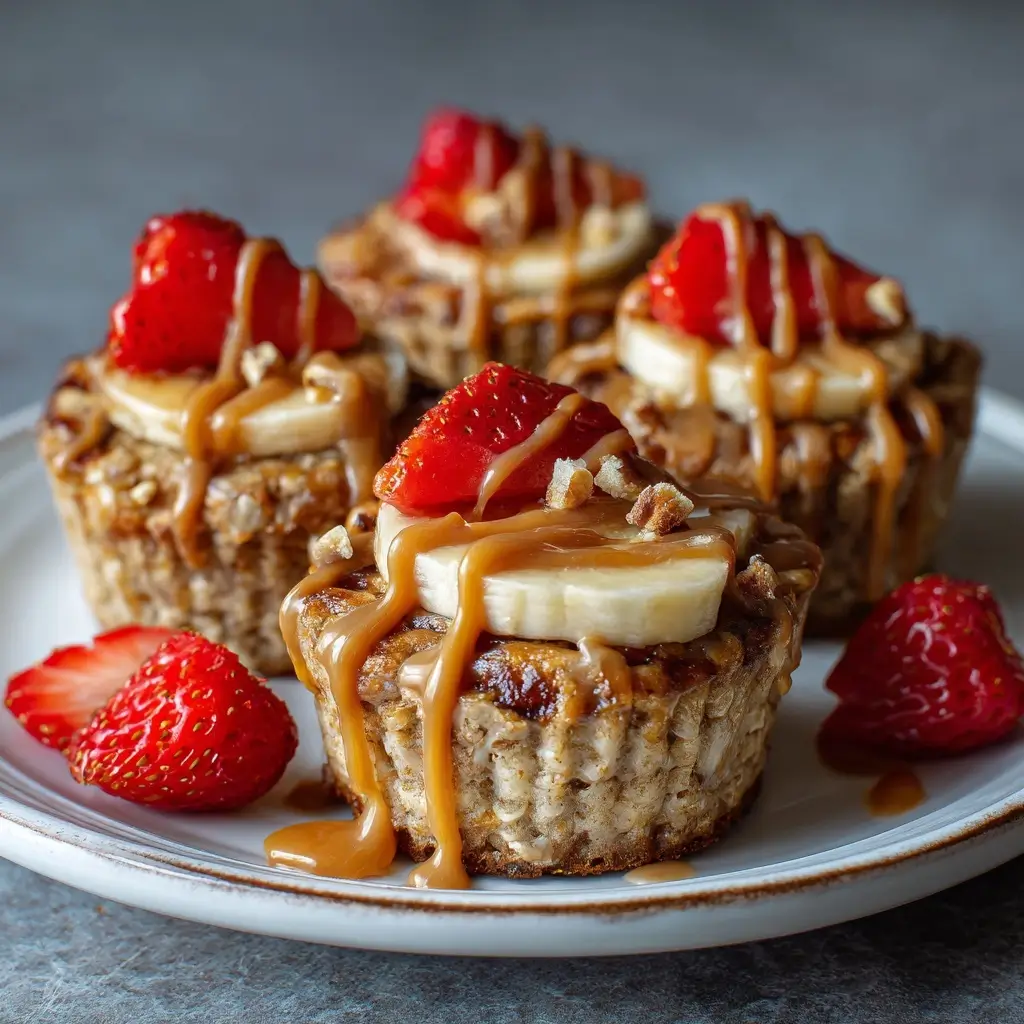
Protein Banana Oat Cupcakes are a revolutionary fusion of wholesome nutrition and irresistible dessert satisfaction—designed for fitness enthusiasts, busy professionals, health-conscious parents, and anyone seeking a guilt-free treat that fuels the body without compromising on flavor. Unlike traditional cupcakes laden with refined sugar, white flour, and empty calories, these nutrient-dense mini-muffins deliver sustained energy, digestive support, muscle-repairing protein, and natural sweetness—all in one moist, tender, and warmly spiced bite. Whether enjoyed as a post-workout recovery snack, a balanced breakfast on-the-go, an afternoon pick-me-up, or even a toddler-friendly first-food option, these cupcakes seamlessly bridge the gap between functional food and indulgence. Their versatility, ease of preparation, freezer-friendliness, and clean-label appeal make them a cornerstone recipe in modern healthy baking.
The History
The origins of Protein Banana Oat Cupcakes trace back to the early 2010s, emerging organically from the convergence of three powerful culinary and wellness movements: the rise of home-based protein supplementation (fueled by whey and plant-based isolate availability), the mainstream rediscovery of banana bread as a pantry-staple “clean-up” bake, and the gluten-free, whole-grain renaissance championed by nutritionists and holistic chefs. Early iterations appeared on niche fitness blogs and Instagram food accounts—often labeled “banana oat protein muffins”—as athletes sought portable, high-protein alternatives to commercial protein bars, which frequently contained excessive sugar alcohols, artificial sweeteners, and unpronounceable preservatives. As registered dietitians began endorsing the use of oats for beta-glucan–driven cholesterol management and bananas for potassium-rich electrolyte replenishment, the recipe evolved beyond mere convenience into a clinically supported nutritional tool. By 2018, peer-reviewed studies on satiety biomarkers (e.g., PYY and GLP-1 elevation) following oat- and resistant-starch–rich meals lent scientific credibility to the format, prompting integrative medicine clinics to include variations in metabolic health protocols. Today, Protein Banana Oat Cupcakes represent a globally adapted staple—customized across cultures with regional flours (like teff in Ethiopia or jowar in India), local sweeteners (coconut nectar in Southeast Asia, date syrup in the Middle East), and culturally resonant spices (cardamom in Scandinavia, matcha in Japan)—proving that nourishment need not be sacrificed for tradition—or taste.
Ingredients Breakdown
Every ingredient in this recipe was selected not only for flavor synergy but for targeted physiological impact:
- Ripe Bananas (3 medium, ~1¼ cups mashed): Provide natural sweetness, creamy texture, and potassium for muscle function and blood pressure regulation. Overripe bananas offer enhanced resistant starch conversion upon cooling, promoting gut microbiome diversity and slower glucose absorption.
- Old-Fashioned Rolled Oats (1½ cups, certified gluten-free if needed): Deliver 5g of fiber per serving—including soluble beta-glucan, clinically shown to reduce LDL cholesterol and improve insulin sensitivity. Their hearty chew balances the cupcake’s crumb and adds prebiotic fuel for beneficial colonic bacteria.
- Unsweetened Plant-Based or Whey Protein Powder (¾ cup / ~90g): Serves as the structural and nutritional anchor—contributing 20–25g of complete amino acids per batch. Whey isolate offers rapid leucine delivery for muscle synthesis; pea-rice-hemp blends provide allergen-free, alkalizing, and digestion-friendly alternatives. Avoid protein blends with added sugars, maltodextrin, or artificial flavors.
- Large Eggs (2, room temperature): Act as emulsifiers and leavening agents while supplying choline (critical for brain health), lutein (for ocular protection), and highly bioavailable selenium. Pasture-raised eggs further elevate omega-3 and vitamin D content.
- Greek Yogurt (½ cup, plain, nonfat or 2%): Adds moisture, tangy depth, probiotics (if live-culture), and extra protein (≈10g). Its acidity gently activates baking soda while improving shelf life and crumb tenderness.
- Pure Maple Syrup or Raw Honey (⅓ cup): A low-glycemic, enzyme-rich sweetener offering trace minerals (zinc, manganese) and polyphenolic antioxidants. Maple syrup contains quebecol—a unique anti-inflammatory compound—while raw honey contributes hydrogen peroxide and bee-derived defensin-1 for immune modulation.
- Unrefined Coconut Oil (¼ cup, melted & cooled) or Cold-Pressed Avocado Oil: Provides heart-healthy monounsaturated fats, enhances mouthfeel, and aids fat-soluble vitamin absorption (A, D, E, K). Coconut oil adds subtle tropical notes and lauric acid—a potent antimicrobial medium-chain triglyceride.
- Baking Soda (1 tsp) + Apple Cider Vinegar (1 tsp, mixed just before folding): A chemical-free, pH-optimized leavening system that preserves heat-sensitive nutrients and creates superior rise without metallic aftertaste.
- Ground Cinnamon (1½ tsp), Nutmeg (¼ tsp), and Allspice (⅛ tsp): Warm spices rich in cinnamaldehyde, myristicin, and eugenol—bioactive compounds proven to inhibit NF-kB inflammatory pathways, enhance glucose uptake in skeletal muscle, and protect neuronal mitochondria.
- Sea Salt (½ tsp, fine grain): Balances sweetness, amplifies flavor perception, and supplies over 70 trace minerals—including magnesium and iodine—often depleted in processed diets.
- Vanilla Extract (2 tsp, pure, alcohol-based): Contains vanillin and over 200 synergistic phytochemicals with demonstrated neuroprotective and mood-stabilizing effects in human trials.
- Optional Add-Ins: Chia or flax seeds (1 tbsp ground, for omega-3 ALA and lignans), dark chocolate chips (70%+ cacao, for flavanols), chopped walnuts (for alpha-linolenic acid and polyphenol diversity), or freeze-dried raspberries (for ellagic acid and vibrant color).
Step-by-Step Recipe
- Preheat & Prep: Position oven rack in center position. Preheat oven to 350°F (177°C). Line a standard 12-cup muffin tin with unbleached parchment paper liners—or lightly grease with coconut oil and dust with oat flour for zero-waste adherence. Set aside.
- Mash Bananas: In a large mixing bowl, thoroughly mash ripe bananas with a fork or potato masher until mostly smooth with slight texture remaining. Measure to confirm ~1¼ cups. Stir in melted & cooled coconut oil and maple syrup/honey until fully emulsified—no separation should occur.
- Wet Ingredients Integration: Whisk in eggs one at a time, ensuring each is fully incorporated before adding the next. Stir in Greek yogurt and pure vanilla extract until uniform. In a small dish, combine apple cider vinegar and baking soda—the mixture will foam vigorously for 10–15 seconds; immediately pour into batter and whisk gently for 10 seconds to distribute carbon dioxide bubbles evenly.
- Dry Ingredients Assembly: In a separate medium bowl, whisk together rolled oats, protein powder, ground cinnamon, nutmeg, allspice, sea salt, and optional ground chia/flax. Sift if protein powder shows clumps (especially whey isolates) to ensure even dispersion and prevent gritty pockets.
- Folding Technique: Using a wide silicone spatula, gently fold dry ingredients into wet ingredients using a figure-eight motion—starting at 6 o’clock and sweeping up through center to 12 o’clock. Fold just until no dry streaks remain (<60 seconds). Overmixing develops oat gumminess and gluten-like elasticity (from oat proteins), leading to dense, rubbery cupcakes. A few faint flour specks are preferable to overworking.
- Batter Rest (Critical Step): Let batter rest for 12 minutes at room temperature. During this time, oats hydrate fully, protein powder disperses completely, and the vinegar-soda reaction stabilizes—yielding optimal rise and velvety crumb. Do not skip.
- Filling the Cups: Spoon batter evenly into prepared liners—fill each ~¾ full (≈3 tbsp per cup). Use a damp finger or small offset spatula to level tops for uniform baking. Optional: Press 2–3 dark chocolate chips or walnut halves into center of each for visual appeal and textural contrast.
- Baking Protocol: Bake for 18–22 minutes. Begin checking at 18 minutes: cupcakes are done when tops are domed, lightly golden, spring back to gentle touch, and a toothpick inserted into center emerges with *moist* crumbs—not wet batter, but not completely dry. Rotating pan 180° at 12-minute mark ensures even browning in home ovens.
- Cooling Ritual: Remove pan from oven and let cupcakes cool *in the tin* for exactly 8 minutes—this allows internal steam to redistribute, preventing collapse. Then transfer carefully to a wire rack using a thin offset spatula. Cool completely (≥45 minutes) before frosting or storing. Cutting into warm cupcakes releases trapped steam and yields gummy texture.
Tips
- Ripe Banana Hack: Freeze overripe bananas (peeled) in zip-top bags for up to 6 months. Thaw overnight in fridge or microwave on defrost for 60 seconds—mash directly from semi-frozen state for ultra-creamy, cold-activated starch retention.
- Oat Texture Control: For ultra-tender crumb, pulse ½ cup of the rolled oats in a blender until finely ground (not flour-fine—think “coarse sand”). This mimics oat flour’s binding power while retaining fiber integrity.
- Protein Powder Substitution Wisdom: If using collagen peptides (unflavored), reduce amount by 25% and add 1 tsp psyllium husk powder to compensate for lost binding capacity. For soy protein isolate, add 1 tsp lemon juice to counter potential bitterness.
- Altitude Adjustments: At elevations >3,000 ft: decrease baking soda by ¼ tsp, increase oats by 1 tbsp, and extend bake time by 2–3 minutes—monitor closely.
- No-Mixer Success: All mixing can be done with hand whisk and spatula—no electric equipment required. This prevents over-aeration and preserves delicate protein structure.
- Moisture Lock Secret: Once fully cooled, store cupcakes in an airtight container with a half-slice of apple or a damp (not dripping) paper towel nestled in the corner—renew daily. This maintains humidity without sogginess for up to 5 days.
- Freezer Mastery: Flash-freeze uncovered cupcakes on a parchment-lined tray for 2 hours, then transfer to labeled, date-coded freezer bags (remove excess air). Reheat from frozen in toaster oven at 325°F for 6–8 minutes—or enjoy chilled as high-protein “oat cakes.” They retain quality for 4 months.
- Batch Scaling Precision: To double: use 6 bananas, 3 cups oats, 1½ cups protein powder, etc.—but bake in two separate pans. Never fill one pan beyond 12 cups; overcrowding causes uneven heat penetration and sunken centers.
Variations and Customizations
- Vegan Power Version: Replace eggs with flax “eggs” (2 tbsp ground flax + 6 tbsp water, rested 10 min), use plant-based yogurt (soy or coconut), and choose pea/rice/hemp protein. Add ¼ tsp xanthan gum to replace egg-binding.
- Gluten-Free Gourmet: Ensure certified GF oats and use GF baking powder if adding optional baking powder (though soda/vinegar suffices). Boost with 2 tbsp almond flour for richness.
- Keto-Adapted (Net-Carb <3g per cupcake): Swap oats for 1 cup golden flaxseed meal + ½ cup unsweetened shredded coconut; replace banana with ½ cup pumpkin purée + 2 tbsp erythritol-monk fruit blend; use collagen or egg white protein.
- Post-Workout Recovery Boost: Stir in 1 scoop (25g) of chocolate or vanilla whey isolate + 1 tsp maca powder + ¼ tsp Himalayan pink salt for electrolyte replenishment.
- Anti-Inflammatory Focus: Add 1 tsp turmeric + ¼ tsp black pepper (enhances curcumin bioavailability), 1 tbsp goji berry powder, and top with crushed pistachios.
- Child-Safe First Foods: Omit spice entirely, reduce maple syrup to 2 tbsp, add 1 tbsp mashed steamed sweet potato, and bake in mini-muffin tin (bake 12–14 min). Freeze individual portions for baby-led weaning.
- Decadent Dessert Mode: Swirl in 2 tbsp salted caramel sauce before baking; top with dark chocolate ganache (½ cup warmed coconut cream + 4 oz chopped 85% chocolate); finish with flaky sea salt.
- Seasonal Spotlight Variations: Fall: Add ¼ cup cooked, cooled applesauce + 1 tsp ginger. Winter: Stir in 2 tbsp orange zest + 1 tbsp dried cranberries. Spring: Fold in ¼ cup fresh blueberries + 1 tsp lemon zest. Summer: Mix in ¼ cup diced strawberries + 1 tsp basil-infused oil.
Health Considerations and Nutritional Value
Each standard-sized Protein Banana Oat Cupcake (1/12th of recipe) delivers approximately:
- Calories: 185–210 kcal (varies by protein powder density and oil choice)
- Protein: 11–14g (35–45% of calories)—complete amino acid profile supporting muscle protein synthesis, satiety signaling, and immune cell production
- Fiber: 3.2–4.1g (13–16% DV)—predominantly soluble beta-glucan plus resistant starch, clinically associated with improved glycemic control (HbA1c reduction in T2D trials) and increased fecal Bifidobacterium counts
- Healthy Fats: 6–8g—primarily monounsaturated (oleic acid) and medium-chain triglycerides (lauric acid), supporting lipid metabolism and cognitive function
- Potassium: ~220mg (6% DV)—critical for nerve transmission, fluid balance, and counteracting sodium-induced hypertension
- Low Glycemic Impact: Estimated GI ≈ 48 (low), due to fiber-protein-fat matrix slowing gastric emptying and glucose absorption—ideal for prediabetic, diabetic, and PCOS populations
Contraindications & Mindful Modifications:
• Those with irritable bowel syndrome (IBS) may benefit from soaking oats overnight in kefir prior to blending—reducing phytic acid and enhancing digestibility.
• Individuals managing kidney disease should consult a renal dietitian before increasing protein load; opt for lower-protein oat base with added chia and reduced powder.
• For histamine intolerance, avoid aged protein powders and fermented yogurts—choose fresh, refrigerated coconut yogurt and rice protein.
• Those on blood-thinning medication (e.g., warfarin) should maintain consistent vitamin K intake; note that oats contain modest amounts (~2mcg/serving)—no restriction needed, but avoid sudden dietary spikes.
This recipe aligns with multiple evidence-based frameworks: Mediterranean Diet (whole grains, nuts, olive oil substitute), DASH Diet (low sodium, high potassium/fiber), and WHO’s “Free Sugar <10% total calories” guidelines (contains only naturally occurring + minimal added sugars).
Ingredients
- 3 medium very ripe bananas (about 1¼ cups mashed)
- 1½ cups old-fashioned rolled oats (certified gluten-free if required)
- ¾ cup (90g) unflavored or vanilla whey isolate, pea protein, or brown rice protein powder
- 2 large eggs, room temperature
- ½ cup plain nonfat or 2% Greek yogurt
- ⅓ cup pure maple syrup or raw honey
- ¼ cup unrefined coconut oil or cold-pressed avocado oil, melted and cooled
- 1 tsp baking soda
- 1 tsp raw apple cider vinegar
- 1½ tsp ground cinnamon
- ¼ tsp freshly grated nutmeg
- ⅛ tsp ground allspice
- ½ tsp fine sea salt
- 2 tsp pure vanilla extract
Optional Add-Ins (choose 1–2):
• 1 tbsp ground chia or flax seeds
• ⅓ cup dark chocolate chips (70% cacao or higher)
• ⅓ cup chopped walnuts or pecans
• ¼ cup freeze-dried raspberries or blueberries
• Zest of 1 orange or lemon
Directions
- Preheat oven to 350°F (177°C). Line a 12-cup muffin tin with parchment liners or grease and flour.
- In a large bowl, mash bananas until smooth. Whisk in melted coconut oil and maple syrup until emulsified.
- Add eggs one at a time, whisking well after each. Stir in Greek yogurt and vanilla.
- In a small bowl, combine apple cider vinegar and baking soda; let foam for 15 seconds, then immediately pour into banana mixture and whisk gently for 10 seconds.
- Using a silicone spatula, gently fold dry ingredients into wet until *just combined*—do not overmix. Batter will be thick and slightly lumpy.
- Let batter rest 12 minutes at room temperature.
- Spoon evenly into liners (¾ full). Optional: press toppings into centers.
- Bake 18–22 minutes, rotating pan at 12 minutes, until tops spring back and toothpick shows moist crumbs.
- Cool in pan 8 minutes, then transfer to wire rack. Cool completely before storing or frosting.
FAQ
- Can I make these without protein powder?
- Yes—but expect significantly less protein (≈4g/cupcake) and altered texture. Replace with ½ cup oat flour + 2 tbsp hemp hearts + 1 tsp psyllium husk to retain binding and fiber. Increase oats to 1¾ cups for structure.
- Why did my cupcakes sink in the middle?
- Most commonly caused by opening oven door before 16 minutes, under-baking, overmixing batter, or expired baking soda. Always test with toothpick at recommended time and avoid drafty oven locations.
- Can I use quick oats or steel-cut oats?
- Quick oats work in a pinch but yield softer, less chewy crumb. Steel-cut oats must be soaked overnight or pressure-cooked first—otherwise they’ll remain gritty and undercooked.
- Are these suitable for meal prep?
- Absolutely. They freeze exceptionally well for up to 4 months. Thaw at room temperature for 30 minutes or reheat in air fryer at 320°F for 3 minutes for bakery-fresh texture.
- Can I make them dairy-free and vegan?
- Yes—see Vegan Power Variation above. Ensure yogurt is coconut or soy-based, and verify protein powder is plant-derived and free of dairy derivatives (e.g., lactose, casein).
- How do I boost fiber without altering taste?
- Add 1 tbsp inulin (chicory root fiber) or resistant tapioca starch—both neutral-tasting, prebiotic fibers that dissolve seamlessly and increase total fiber by 3–4g per batch.
- Can kids eat these daily?
- Yes—they’re pediatrician-approved for ages 12 months+. Reduce spice, omit optional add-ins like chocolate until age 2, and serve alongside iron-rich foods (e.g., lentil dip) to enhance non-heme iron absorption.
- What’s the best storage method for maximum freshness?
- Airtight container at room temperature for 2 days, refrigerator for 5 days (they firm up pleasantly when chilled), or freezer for 4 months. Never refrigerate unfrosted cupcakes in plastic wrap—they’ll sweat and grow soggy.
- Can I bake these as a loaf instead?
- Yes! Pour into greased 8×4-inch loaf pan. Bake at 350°F for 45–55 minutes. Cover loosely with foil at 35 minutes to prevent over-browning. Cool in pan 15 minutes before removal.
- Why use apple cider vinegar + baking soda instead of baking powder?
- This duo provides cleaner leavening without aluminum or cornstarch (common in commercial baking powders), enhances mineral bioavailability (vinegar increases calcium/magnesium solubility), and imparts subtle tang that balances sweetness—without aftertaste.
Summary
Protein Banana Oat Cupcakes are a nutritionally sophisticated, kitchen-tested triumph—melding gut-nourishing oats, muscle-repairing protein, antioxidant-rich spices, and nature’s perfect sweetener into a reliably moist, deeply satisfying, and scientifically grounded treat.
With endless customization paths, freezer-proof resilience, and clinical relevance across metabolic, digestive, and athletic health domains, they’re far more than a recipe—they’re a foundational pillar of intentional, joyful, lifelong wellness.