Introduction
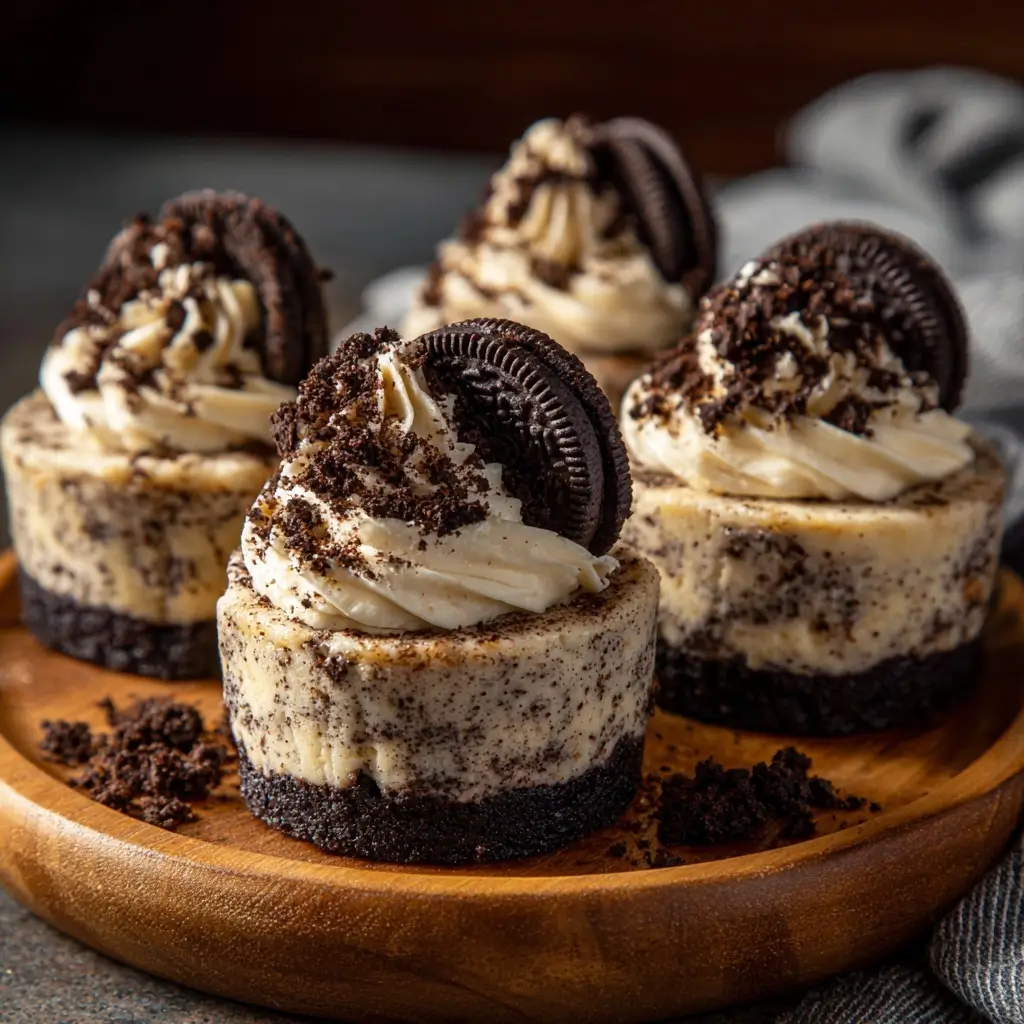
Oreo Cheesecake Cupcakes are the ultimate fusion of two beloved American desserts: the rich, creamy indulgence of classic New York–style cheesecake and the nostalgic crunch-and-cream magic of Oreo cookies. These miniature masterpieces deliver all the luxurious texture and bold flavor of full-sized cheesecakes—but in perfectly portioned, handheld, no-fuss form. Whether you’re prepping for a birthday bash, school bake sale, office potluck, or just treating yourself to a midweek dessert escape, these cupcakes offer decadence without the stress of springform pans, water baths, or hours-long chilling marathons. Visually stunning with their glossy chocolate swirls, crumbly Oreo caps, and delicate cream cheese peaks, they’re as photogenic as they are delicious—making them a viral favorite on food blogs, Instagram feeds, and TikTok dessert reels alike.
The History
The origins of the Oreo Cheesecake Cupcake trace back to the broader evolution of both cheesecake and cupcake culture in the United States. Cheesecake itself boasts ancient roots—dating as far back as 2000 BCE in ancient Greece—but its modern American incarnation surged in popularity after the invention of cream cheese by William Lawrence in 1872 and the subsequent rise of the Philadelphia Cream Cheese brand. Meanwhile, Oreos debuted in 1912 under Nabisco, quickly becoming America’s best-selling cookie thanks to their iconic “twist, lick, dunk” ritual and unmistakable chocolate-vanilla contrast. The cupcake renaissance began in earnest during the early 2000s, catalyzed by shows like *Sex and the City* and NYC bakeries like Magnolia Bakery—transforming cupcakes from childhood party staples into gourmet, artisanal treats. The marriage of Oreos and cheesecake first appeared in home kitchens and food forums around 2008–2010, as bakers experimented with incorporating crushed Oreos into crusts and fillings. By 2013–2014, viral Pinterest pins and YouTube tutorials cemented the Oreo Cheesecake Cupcake as a staple recipe—often credited to influential bloggers like Sally’s Baking Addiction and Joy the Baker. Today, it’s a mainstay in bakery menus across the U.S., Australia, Canada, and the UK, frequently adapted for holidays (e.g., Peppermint Oreo for Christmas, Pastel Oreo for Easter) and dietary needs (vegan, gluten-free, keto).
Ingredients Breakdown
Every exceptional Oreo Cheesecake Cupcake relies on precise ingredient synergy—each component playing a distinct structural, textural, and flavor role:
- Graham Cracker Crust Base: While traditional recipes use graham crackers, many modern versions substitute finely crushed regular Oreos (with filling intact) for an ultra-chocolaty, fudgy foundation. The addition of melted butter binds the crumbs, while a pinch of salt balances sweetness and enhances cocoa depth.
- Cheesecake Filling: Full-fat, brick-style cream cheese is non-negotiable—it provides density, tang, and stability. Granulated sugar not only sweetens but also aids in aeration and smoothness when beaten. Full-fat sour cream adds moisture, slight acidity, and prevents cracking; heavy whipping cream contributes silkiness and helps control viscosity. Large eggs, added one at a time and at room temperature, act as emulsifiers and leaveners—ensuring lift without airiness. Pure vanilla extract (preferably Madagascar Bourbon) rounds out flavor, while a touch of lemon juice brightens the richness.
- Oreo Swirl & Topping: Finely crushed Oreos (without filling) create dramatic ribbons and speckled contrast when gently folded in. For visual drama and crunch, whole mini Oreos or crumbled Double Stuf cookies are often pressed atop each cupcake before baking—or added post-bake as garnish. Optional additions include Oreo cookie butter, white chocolate–Oreo ganache drizzle, or even Oreo-infused whipped cream.
- Optional Enhancements: A teaspoon of espresso powder deepens chocolate notes without adding coffee flavor; cornstarch (½ tsp per batch) improves set and minimizes weeping; and a splash of crème fraîche can lend subtle complexity in place of some sour cream.
Step-by-Step Recipe
- Prep Work (30 minutes): Line a standard 12-cup muffin tin with extra-tall parchment cupcake liners (or foil-lined paper cups for easy removal). Preheat oven to 325°F (163°C). Bring all dairy ingredients (cream cheese, sour cream, heavy cream, eggs) to true room temperature—this takes 1.5–2 hours on the counter. Cold ingredients cause lumps, curdling, and uneven baking.
- Make the Crust (5 minutes): In a food processor or sturdy zip-top bag, pulse 24 regular Oreos (about 1 ½ cups crushed, including filling) until fine but not powdery. Mix with 5 tbsp unsalted butter, melted and slightly cooled, and a pinch of sea salt. Divide evenly among liners (~1 heaping tbsp each), then press firmly using a flat-bottomed measuring cup or shot glass to create a compact, even layer reaching halfway up the liner. Chill crusts for 15 minutes to prevent butter leakage during baking.
- Prepare the Filling (12 minutes): Using a stand mixer fitted with the paddle attachment (or hand mixer on medium-low), beat 16 oz (2 standard blocks) full-fat cream cheese until completely smooth and fluffy—scraping bowl and beater every 30 seconds (2–3 minutes). Add ¾ cup granulated sugar and beat until fully incorporated and lightened (~1 minute). Scrape down sides thoroughly. Add ½ cup full-fat sour cream and ¼ cup heavy whipping cream; mix on low until homogenous (~45 seconds). Add 2 large room-temp eggs one at a time, beating just until yolk disappears (no more than 15 seconds per egg). Stir in 1 tsp pure vanilla extract and ½ tsp fresh lemon juice by hand with a spatula.
- Swirl in Oreos (3 minutes): Reserve ⅓ cup finely crushed Oreos (filling removed, finely ground). Gently fold in only ¼ cup—just 4–5 folds—to create marbled streaks. Overmixing will dull the swirl effect and turn batter gray.
- Fill & Bake (45–50 minutes): Spoon filling over chilled crusts, filling each liner ¾ full (≈ ¼ cup per cupcake). Tap pan sharply 3x on countertop to release air bubbles. Place muffin tin inside a larger roasting pan. Carefully pour hot tap water into roasting pan until it reaches halfway up the sides of the muffin tin (a water bath ensures gentle, even heat and crack-free tops). Bake for 28–32 minutes—cupcakes are done when edges are set and centers jiggle *just slightly* like Jell-O (not liquid). Turn off oven, crack door open 1 inch with a wooden spoon, and let cupcakes cool inside for 45 minutes—this gradual cooling prevents collapse and surface cracks.
- Chill & Set (Minimum 8 hours, ideally 24): Remove cupcakes from water bath. Lift each liner gently to check for moisture—if damp, pat dry with paper towel. Refrigerate uncovered for at least 8 hours (overnight strongly recommended) to fully firm and develop flavor. For clean slicing and optimal texture, chill for full 24 hours before serving.
- Final Touches (5 minutes): Just before serving, top each cupcake with a mini Oreo (flat side down), a delicate dusting of cocoa powder, or a quenelle of freshly whipped cream. Optional: drizzle with warm Oreo ganache (½ cup heavy cream + 4 oz chopped Oreos, heated and stirred until smooth, then cooled 10 minutes).
Tips
- Room Temperature Is Non-Negotiable: Cold cream cheese = lumpy batter. Cold eggs = curdled mixture. Allow full 2 hours for ingredients to acclimate—especially in winter or air-conditioned kitchens.
- Don’t Skip the Water Bath: It’s the single most effective tool against cracks, dry edges, and rubbery texture. Use hot (not boiling) tap water—and ensure your liners are truly waterproof (test one with water before committing).
- Undermix, Not Overmix: Once eggs are added, beat only until just combined. Overbeating incorporates excess air, causing cupcakes to rise dramatically then sink and crack.
- Chill Liners Before Filling: After pressing crust, freeze liners for 5 minutes—this prevents butter from melting into batter and creates cleaner layers.
- Use Quality Oreos: Generic “Oreo-style” cookies lack the precise fat-sugar balance needed for proper texture and melt-in-mouth quality. Stick with original Nabisco Oreos for authenticity.
- Measure by Weight When Possible: 16 oz cream cheese = exactly 454g. Volume measurements (cups) of crushed Oreos vary wildly—use a kitchen scale for repeatability.
- Rotate Pan Mid-Bake: If your oven has hot spots, rotate the roasting pan 180° at 20 minutes for even browning.
- Freeze for Long-Term Storage: Fully chilled cupcakes freeze beautifully for up to 3 months—wrap individually in plastic, then place in airtight container. Thaw overnight in fridge, not at room temp, to preserve texture.
- Fix a Cracked Top: If cracks appear, don’t panic! A generous dollop of Oreo whipped cream, a glossy chocolate glaze, or edible gold leaf will disguise imperfections elegantly.
- Invest in Quality Liners: Standard paper liners buckle and leak. Opt for greaseproof, extra-tall (2.75”) parchment or foil-lined cups—they hold shape, peel cleanly, and support tall, proud cupcakes.
Variations and Customizations
Oreo Cheesecake Cupcakes are a remarkably versatile canvas—ideal for seasonal spins, dietary accommodations, and creative expression:
- Holiday Editions: For Halloween: swap black cocoa for 2 tbsp of the Oreo crumbs and add orange zest + candy corn garnish. At Christmas: fold in crushed peppermint candies and top with crushed candy cane + white chocolate drizzle. For Valentine’s Day: use pink-tinted cream cheese filling (natural beet powder) and heart-shaped mini Oreos.
- Flavor Infusions: Add 2 tbsp Nutella to filling for hazelnut depth; stir in 1 tsp orange extract and orange-zest-infused crust for a citrus twist; blend in 3 tbsp crushed peanut butter cups for PB&Oreo decadence.
- Dietary Adaptations: Gluten-Free: Use GF Oreos (certified) and GF graham crackers for hybrid crusts. Vegan: Substitute cashew cream cheese base (soaked raw cashews + coconut cream + lemon + apple cider vinegar), flax eggs, and vegan butter—requires 6-hour soak and high-speed blending. Keto/Low-Carb: Replace Oreos with homemade keto chocolate wafers (almond flour + cocoa + erythritol + butter), use full-fat cream cheese and sour cream, sweeten with monk fruit–erythritol blend, and omit sugar entirely.
- Texture Twists: Layer a thin stripe of Oreo cookie butter between crust and filling. Add a hidden “surprise center” of thick Oreo jam (simmer crushed Oreos + water + chia seeds until thickened). Or embed a single mini Oreo *into* the center of each cupcake before baking for a molten core effect.
- Presentation Upgrades: Pipe filling using a large star tip for elegant peaks. Dip chilled cupcakes halfway into tempered dark chocolate, then roll in rainbow sprinkles or edible glitter. Serve on custom-printed cupcake stands shaped like giant Oreos.
- Mini & Jumbo Sizes: For bite-sized versions: use mini muffin tin (bake 18–22 min, chill 6 hrs). For jumbo “muffin top” cupcakes: use 6-cup Texas-size pan (bake 45–52 min, chill 36 hrs). Adjust crust quantity accordingly.
- Boozy Versions: Add 1 tbsp Kahlúa, Baileys, or bourbon to filling for adult-only batches. Soak crushed Oreos in 1 tsp rum before swirling for deeper complexity.
- Breakfast-Style: Reduce sugar by ¼ cup, add 1 tsp cinnamon + ¼ tsp cardamom to crust, top with Greek yogurt–Oreo swirl and granola crumble.
Health Considerations and Nutritional Value
While undeniably indulgent, understanding the nutritional profile of Oreo Cheesecake Cupcakes empowers mindful enjoyment and informed customization. A standard cupcake (based on 12 servings, using full-fat ingredients and original Oreos) contains approximately:
- Calories: 385–420 kcal per cupcake
- Total Fat: 24–27g (14–16g saturated fat)
- Carbohydrates: 39–43g (32–35g sugars, including ~21g added sugar)
- Protein: 5–6g
- Sodium: 210–240mg
- Calcium: ~45mg (from dairy); negligible iron or fiber unless GF/whole-grain substitutions used
Key Health Notes:
- Cream Cheese & Saturated Fat: While high in saturated fat, recent research suggests that full-fat dairy consumed in moderation may support satiety and metabolic health better than low-fat, high-sugar alternatives—especially when paired with fiber-rich crusts.
- Oreo Concerns: Traditional Oreos contain palm oil (sustainability concerns), high-fructose corn syrup, and artificial flavors. Opt for organic or “clean-label” Oreo alternatives when possible—or make your own chocolate wafers using almond flour, cocoa, maple syrup, and coconut oil.
- Lactose Sensitivity: Sour cream and heavy cream contain lower lactose than milk, but those with clinical lactose intolerance should consider lactase enzyme supplementation or dairy-free swaps.
- Portion Control: Their small size inherently supports mindful eating—unlike slab cheesecake, one cupcake delivers satisfaction without overconsumption.
- Nutrient Boosting Options: Stir 1 tbsp ground flaxseed or chia into crust for omega-3s and fiber. Add 2 tsp spirulina powder (for green hue) or matcha (for antioxidant boost) to filling—both pair surprisingly well with chocolate and cream cheese.
- Allergen Alert: Contains dairy, wheat/gluten (unless substituted), soy (in most Oreos), and eggs. Always verify labels for tree nut cross-contamination if serving those with severe allergies.
For balanced integration into a healthy lifestyle, enjoy these cupcakes as an occasional treat—not daily fare—and pair with a nutrient-dense meal (e.g., grilled salmon + roasted vegetables) earlier in the day. They’re best savored slowly, with attention to flavor and texture—a true celebration of culinary craftsmanship.
Ingredients
- 24 regular Oreo cookies (about 1 ½ cups crushed, with filling), for crust
- 5 tablespoons unsalted butter, melted and slightly cooled
- Pinch of fine sea salt
- 16 ounces (2 (8-oz) blocks) full-fat brick-style cream cheese, room temperature
- ¾ cup granulated sugar
- ½ cup full-fat sour cream, room temperature
- ¼ cup heavy whipping cream, room temperature
- 2 large eggs, room temperature
- 1 teaspoon pure vanilla extract (preferably Madagascar Bourbon)
- ½ teaspoon fresh lemon juice
- ⅓ cup finely crushed Oreo cookies (filling removed, very fine), for swirl and topping
- 12 extra mini Oreos or regular Oreos halved horizontally, for garnish (optional)
- Optional: cocoa powder, Oreo ganache, or whipped cream for finishing
Directions
- Line a 12-cup standard muffin tin with extra-tall parchment cupcake liners. Preheat oven to 325°F (163°C). Ensure all dairy ingredients and eggs are at true room temperature (1.5–2 hours on counter).
- In a food processor, pulse 24 Oreos (with filling) until fine crumbs form—do not over-process into paste. Transfer to a bowl and stir in melted butter and salt until mixture resembles wet sand. Divide evenly among liners (≈ 1 heaping tablespoon each). Press firmly using the bottom of a measuring cup to form an even, compact crust halfway up each liner. Chill crusts for 15 minutes.
- Using a stand mixer with paddle attachment (or hand mixer on medium-low), beat cream cheese on medium speed for 2–3 minutes until completely smooth, scraping bowl and beater frequently. Add sugar and beat 1 minute until lightened. Scrape bowl thoroughly. Add sour cream and heavy cream; mix on low 45 seconds until combined. Add eggs one at a time, beating only until yolk disappears (≤15 sec per egg). Stir in vanilla and lemon juice by hand with a silicone spatula.
- Gently fold in ¼ cup of the reserved finely crushed Oreos using 4–5 strokes—just enough to create visible marbling. Avoid overmixing.
- Spoon filling over chilled crusts, filling each liner ¾ full (≈ ¼ cup). Tap pan sharply on counter 3 times to release air bubbles. Place muffin tin inside a larger roasting pan. Carefully pour hot tap water into roasting pan until it reaches halfway up the sides of the muffin tin.
- Bake 28–32 minutes—cupcakes are done when edges are puffed and set, and centers jiggle *just slightly* (like Jell-O) when gently shaken. Turn off oven, prop door open 1 inch with a wooden spoon, and let cupcakes cool in oven for 45 minutes.
- Carefully lift cupcakes from water bath. Pat bottoms dry if damp. Refrigerate uncovered for minimum 8 hours—but ideally 24 hours—for complete setting and flavor development.
- Just before serving, top each cupcake with a mini Oreo (flat side down), a light dusting of cocoa powder, or a swirl of whipped cream. Drizzle with Oreo ganache if desired. Store leftovers covered in refrigerator up to 5 days.
FAQ
- Can I make these without a water bath?
- Technically yes—but not recommended. Skipping the water bath significantly increases risk of cracked surfaces, dry edges, and uneven texture. If absolutely necessary, reduce oven temperature to 300°F and extend bake time by 5–7 minutes—but expect less creamy, slightly denser results.
- Why did my cupcakes crack?
- Most common causes: (1) Cold ingredients causing curdling, (2) Overmixing after adding eggs, (3) Rapid temperature change (opening oven too soon or cooling too fast), (4) Overbaking. Always use room-temp ingredients, gentle folding, and gradual cooling—even if it feels tedious!
- Can I use low-fat cream cheese or sour cream?
- No. Low-fat or fat-free dairy lacks the fat structure needed for creamy texture and proper emulsification. Substitutions lead to watery, grainy, or rubbery cupcakes that won’t set properly—even with extended chilling.
- How do I prevent soggy crusts?
- Chill crusts before filling, use *melted* (not softened) butter, and avoid over-wetting the crumb mixture. Also ensure liners are greaseproof—standard paper liners allow butter to seep through.
- Can I prepare the batter ahead?
- Yes—but only up to 24 hours. Cover batter tightly and refrigerate. Let sit at room temperature for 30 minutes before portioning to ensure smooth pouring and even baking.
- My cupcakes sank in the center—what happened?
- Sinking usually indicates underbaking (center wasn’t set before cooling) or excessive air incorporation. Ensure cupcakes jiggle *only slightly* at the center—not sloshily—and avoid overbeating once eggs are added.
- Can I bake these in a regular muffin tin without liners?
- Not advised. Cheesecake batter sticks aggressively to metal. Liners are essential for clean release and presentation. If you must try bare metal, heavily grease and flour cups—but expect imperfect edges and difficulty removing.
- How do I get clean slices for photos?
- Dip a sharp, thin-bladed knife in hot water, wipe dry, then slice in one confident motion. Repeat between cuts. For flawless layers, chill cupcakes for full 24 hours before cutting.
- Are Double Stuf Oreos okay to use?
- Absolutely—and highly recommended for swirls and toppings! Their higher cream-to-cookie ratio makes them softer and more flavorful when crushed. However, for crusts, stick with regular Oreos—their firmer structure holds up better under pressure.
- Can I add food coloring?
- Yes—but use gel-based food coloring only (not liquid), as excess water destabilizes the batter. Add color to a small portion of batter before swirling for ombre or tie-dye effects.
Summary
Oreo Cheesecake Cupcakes are a meticulously engineered harmony of nostalgic crunch, velvety cream cheese richness, and playful chocolate depth—crafted for both visual impact and soul-satisfying flavor. With careful attention to ingredient temperature, gentle mixing, precise water-bath baking, and patient chilling, these miniature marvels deliver restaurant-quality elegance from your home kitchen.
Endlessly customizable for seasons, diets, and celebrations—and rooted in decades of dessert evolution—they’re far more than a trend: they’re a testament to how thoughtful technique and beloved ingredients can transform simple pantry staples into unforgettable, share-worthy moments.