Introduction
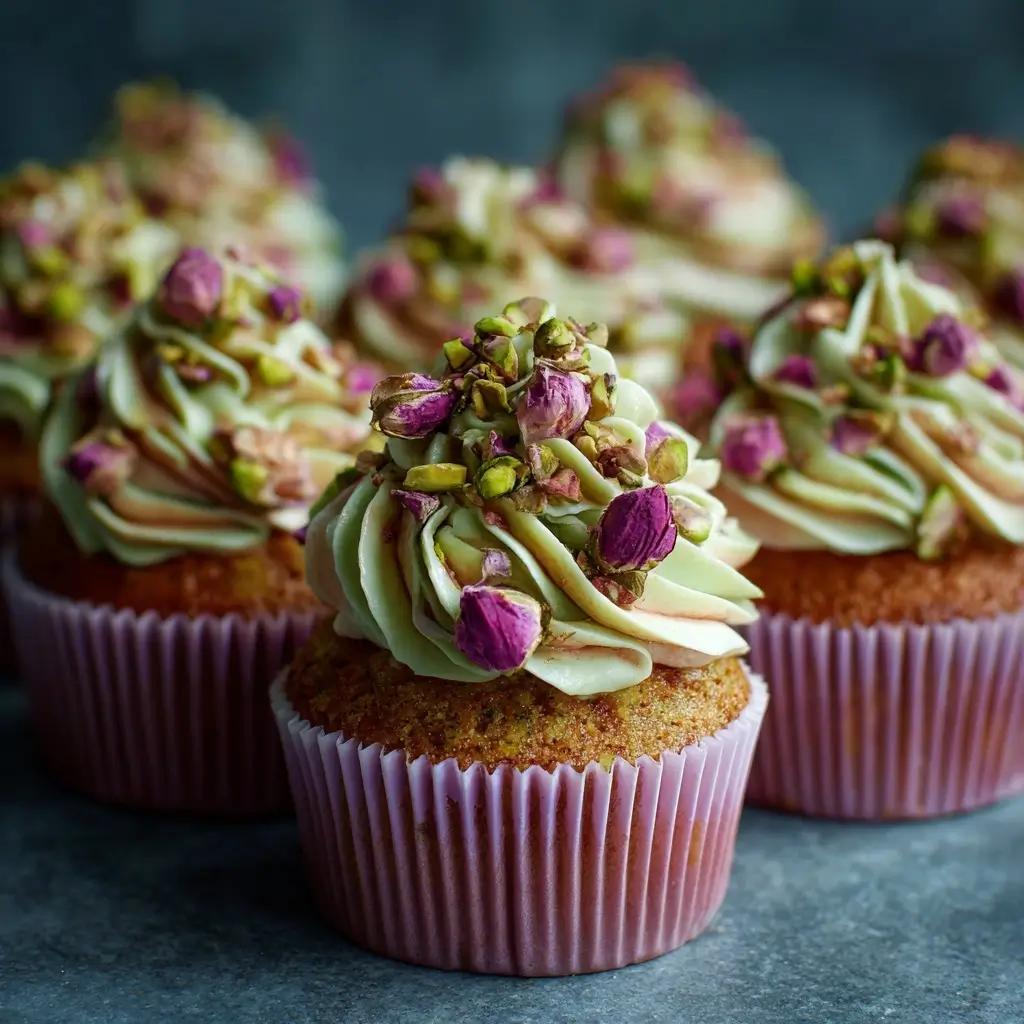
Imagine biting into a delicate, moist cupcake where the earthy sweetness of premium pistachios meets the ethereal, floral whisper of rose—elegant, unexpected, and utterly unforgettable. Pistachio Rose Cupcakes are more than just a dessert; they’re a sensory journey inspired by centuries-old Middle Eastern confectionery traditions, reimagined with modern baking precision and refined American cupcake craftsmanship. These cupcakes strike a rare balance: rich yet light, fragrant yet grounded, visually stunning yet deeply comforting. Whether served at an intimate bridal shower, a spring garden party, or simply as a luxurious weekday treat, each bite delivers a harmonious interplay of texture and aroma—crunchy pistachio bits, tender crumb, velvety rose-infused buttercream, and a final flourish of edible rose petals and crushed nuts. They embody sophistication without pretension, tradition without rigidity, and indulgence with intention.
The History
The origins of the Pistachio Rose Cupcake lie not in a single moment, but in a centuries-deep confluence of culinary civilizations. Pistachios—native to Central Asia and the Middle East—have been prized since at least 7000 BCE, appearing in ancient Persian royal gardens and later featured in Byzantine banquets and Ottoman palace kitchens. In Persian and Levantine cuisines, pistachios were ground into pastes for baklava, folded into rice pilafs, and toasted as garnishes for savory stews and sweets alike. Roses—particularly the damask rose (Rosa damascena)—were cultivated in Iran and Turkey as early as 500 CE; rose water and rose syrup became foundational flavorings in desserts like Turkish delight (lokum), Iranian gaz, and Lebanese mahalabiya. The marriage of pistachio and rose appears most prominently in classical Persian confections such as faloodeh (rose-scented vermicelli pudding topped with crushed pistachios) and Ottoman-era pistachio-rose halva. It wasn’t until the late 20th century—fueled by global ingredient accessibility, the rise of artisanal baking, and heightened interest in floral and nut-based flavors—that American and European pastry chefs began translating these pairings into Western formats. The cupcake, having surged in popularity post-2000, offered the perfect canvas: individual, customizable, and structurally forgiving. Early iterations appeared in high-end patisseries in London and New York around 2008–2010, often as seasonal offerings during Ramadan or Nowruz celebrations. By the mid-2010s, food bloggers and culinary influencers helped democratize the recipe—though many early versions oversimplified the rose element (using artificial flavoring) or compromised texture (overloading with nuts). Today’s Pistachio Rose Cupcake reflects a matured understanding: respecting the integrity of both ingredients, honoring their cultural roots while adapting technique for home bakers, and treating floral nuance with the same reverence as fine chocolate or vanilla.
Ingredients Breakdown
Every exceptional Pistachio Rose Cupcake begins with mindful ingredient selection—not just for flavor, but for function, balance, and authenticity.
- Pistachios: Raw, unsalted, shelled pistachios are non-negotiable. Roasted or salted nuts introduce unwanted bitterness and sodium that dull floral notes. Opt for Sicilian or Iranian varieties when possible—they offer higher oil content and deeper, honeyed sweetness. Reserve ½ cup for garnish (finely chopped); pulse the remaining 1¼ cups in a food processor until coarsely ground (like coarse sand)—avoid over-processing into paste, which can weigh down the batter.
- Rose Water: This is the soul of the recipe—and also its greatest pitfall. Only use food-grade, steam-distilled rose water made from Rosa damascena (not synthetic “rose flavor” or perfumed varieties). Brands like Cortas, Al Wadi Al Akhdar, or Sohan Halva are trusted. Start with 1½ tsp in the batter and 1 tsp in the frosting—taste as you go. Too little yields no aroma; too much becomes soapy or medicinal. Always add rose water at the end of mixing, after emulsification, to preserve volatile top notes.
- Flour Blend: All-purpose flour provides structure, but adding 2 tbsp of almond flour enhances tenderness and subtly reinforces the nutty profile without overpowering. Sift both flours together with leavening agents to ensure even distribution and eliminate lumps.
- Sour Cream & Egg Yolks: These are the secret to moisture and richness. Full-fat sour cream adds acidity to activate baking powder, contributes fat for tenderness, and lends subtle tang that balances the floral sweetness. Extra egg yolks (we use 3 total: 2 whole eggs + 2 extra yolks) increase emulsification, yielding a finer, silkier crumb and improved shelf life.
- Unsalted Butter: European-style butter (82–84% fat) is ideal—its higher fat content and lower water yield superior flavor and a more stable, creamy crumb. Soften to true “cool room temperature” (65°F/18°C)—butter that’s too warm causes greasiness; too cold leads to curdling.
- Granulated & Brown Sugar: A blend of both sugars creates complexity: granulated delivers clean sweetness and crisp edges; light brown sugar (packed) contributes molasses depth, moisture retention, and a hint of caramelized warmth that complements rose beautifully.
- Vanilla Bean Paste: While optional, it’s highly recommended. Real vanilla’s creamy, woody undertones round out the rose’s brightness and anchor the pistachio’s green nuttiness far better than extract alone. One ½ tsp of high-quality paste replaces 1 vanilla bean.
- Edible Dried Rose Petals: Use only certified food-grade, pesticide-free, organically grown petals—never craft-store or florist roses. Look for deep pink or burgundy varieties (like Rosa damascena or Rosa centifolia) that retain fragrance after drying. Rehydrate briefly in ½ tsp rose water before scattering atop frosting for pliability and intensified aroma.
Step-by-Step Recipe
- Prep & Preheat: Line 12 standard muffin cups with high-quality parchment liners (not paper—these cupcakes are moist and benefit from easy release). Preheat oven to 350°F (175°C). Position rack in the center third. Toast 1¼ cups coarsely chopped raw pistachios on a dry rimmed baking sheet for 6–8 minutes, stirring once, until fragrant and slightly deepened in color. Cool completely—this step unlocks oils and intensifies flavor without adding bitterness. Reserve ½ cup finely chopped toasted nuts for garnish; set remaining toasted nuts aside.
- Dry Ingredients: In a medium bowl, whisk together 1¾ cups all-purpose flour, 2 tbsp fine almond flour, 1½ tsp baking powder, ½ tsp baking soda, and ½ tsp fine sea salt. Sift twice to aerate and ensure no clumps remain. Set aside.
- Cream Butter & Sugars: In the bowl of a stand mixer fitted with the paddle attachment, beat ¾ cup (1.5 sticks) softened unsalted butter, ¾ cup granulated sugar, and ½ cup packed light brown sugar on medium speed for 3–4 minutes, until pale, fluffy, and completely homogenous—scrape bowl thoroughly halfway through. Over-creaming isn’t a risk here; full aeration ensures lift and tenderness.
- Emulsify Wet Base: Add 2 large eggs, 2 large egg yolks, 1½ tsp pure vanilla bean paste, and 1½ tsp premium rose water. Beat on medium-low for 1 minute, then increase to medium for another 30 seconds, scraping bowl well. Mixture should be smooth, glossy, and slightly thickened—no streaks of yolk or separated butter.
- Incorporate Dry & Wet Alternately: With mixer on low, add one-third of the dry ingredients; mix just until incorporated. Add half of ½ cup full-fat sour cream; mix until nearly smooth. Repeat with another third of dry, remaining sour cream, and final third of dry—mixing each addition only until no dry patches remain. Do not overmix; batter will be thick and glossy, with visible flecks of toasted pistachio.
- Fold in Pistachios: Using a flexible silicone spatula, gently fold in the cooled, reserved toasted pistachios (about ¾ cup) until evenly distributed—do not crush them. Batter should be uniform with visible nut pieces.
- Portion & Bake: Divide batter evenly among lined cups using a 2-tablespoon scoop (≈¼ cup per cupcake). Smooth tops lightly with damp fingers. Tap pan firmly on counter twice to release air bubbles. Bake 18–21 minutes, rotating pan halfway, until a toothpick inserted into the center comes out with moist crumbs (not wet batter) and edges are lightly golden. Avoid overbaking—these cupcakes dry out quickly past peak doneness.
- Cool Completely: Let cupcakes cool in pan for 10 minutes. Carefully transfer to a wire rack. Cool fully (at least 90 minutes) before frosting—warm cupcakes will melt buttercream and cause sliding or sogginess.
- Prepare Rose Pistachio Buttercream: Beat 1 cup (2 sticks) softened unsalted butter on medium-high for 3 minutes until creamy and pale. Gradually add 3½ cups confectioners’ sugar (sifted), 1 tsp rose water, ½ tsp vanilla bean paste, and ¼ tsp fine salt. Beat 2 minutes. Add 2–3 tbsp heavy cream, one tablespoon at a time, until desired piping consistency is reached (stiff but spreadable). Fold in ⅓ cup finely ground toasted pistachios (pulse reserved ½ cup garnish nuts for 5–7 seconds—don’t overprocess).
- Frost & Garnish: Fit a large piping bag with a closed star tip (Wilton #18 or Ateco #844). Pipe generous swirls of buttercream onto cooled cupcakes. Immediately press a small pinch of rehydrated edible rose petals (soaked 1 minute in ½ tsp rose water, patted dry) into the peak of each swirl. Finish with a light sprinkle of the reserved finely chopped toasted pistachios.
Tips
- Rose Water Sensitivity Test: Before baking, place 1 drop of your rose water on your wrist and smell after 30 seconds. If it smells purely floral and sweet, it’s suitable. If it smells medicinal, chemical, or harsh, discard it—it will ruin the entire batch.
- Room Temperature Is Non-Negotiable: Eggs, butter, and sour cream must all be within 65–70°F (18–21°C). Cold ingredients cause batter to seize, resulting in dense, uneven cupcakes. Place eggs in warm water for 5 minutes if needed; cut butter into small cubes and let sit 20 minutes.
- Toasting Nuts Correctly: Spread nuts in a single layer. Watch closely—pistachios go from golden to burnt in under 60 seconds. Remove from oven when you first smell a warm, nutty aroma and see slight color change at the edges. Transfer immediately to a cool plate to halt cooking.
- No Overmixing Rule: Once dry ingredients meet wet, switch to a spatula and fold *just* until combined. Overmixing develops gluten, leading to toughness and tunneling (large air pockets).
- Accurate Measuring Matters: Spoon flour into measuring cup and level with a straight edge—don’t scoop directly from the bag (compacts flour, adding up to 25% extra). For best results, weigh flour: 1¾ cups AP flour = 210g.
- Frosting Consistency Control: If buttercream becomes too soft while piping, refrigerate bowl for 10 minutes. If too stiff, add cream ½ tsp at a time. Never add liquid to warm frosting—it will split.
- Storage Wisdom: Unfrosted cupcakes freeze beautifully for up to 3 months—wrap individually in plastic, then place in freezer bag. Thaw overnight in fridge, then bring to room temp before frosting. Frosted cupcakes keep 2 days at room temp (in a covered container, away from direct sunlight) or 5 days refrigerated—but bring to room temp 1 hour before serving for optimal texture and flavor release.
Variations and Customizations
These cupcakes are a versatile foundation—elevate, adapt, or personalize while preserving the core pistachio-rose harmony.
- Vegan Pistachio Rose: Replace butter with vegan butter (Miyoko’s or Earth Balance), eggs with flax eggs (2 tbsp ground flax + 5 tbsp water, rested 10 min), sour cream with coconut yogurt (unsweetened, full-fat), and milk with almond milk. Use maple syrup instead of brown sugar (reduce granulated by 2 tbsp). Frost with cashew-rose buttercream (soaked cashews blended with coconut oil, rose water, and powdered sugar).
- Glamorous Gold-Dusted: Brush cooled cupcakes lightly with simple syrup infused with rose water (1:1 sugar:water + 1 tsp rose water, simmered 2 min), then dust generously with edible 23k gold leaf flakes before frosting. Adds luxury and shimmer without altering taste.
- Pistachio Rose Mini Cupcakes: Perfect for weddings or buffets. Bake in mini muffin tins for 10–12 minutes. Yield: 36. Reduce rose water in batter to 1 tsp; use ½ tsp in frosting. Garnish with micro-pistachios and single tiny rose petal.
- Gluten-Free Adaptation: Substitute 1:1 gluten-free all-purpose blend (King Arthur or Bob’s Red Mill) + ½ tsp xanthan gum. Add 1 tbsp psyllium husk powder to batter for elasticity. Almond flour remains unchanged. Verify all other ingredients (baking powder, rose water) are GF-certified.
- Decadent Filled Version: After cupcakes cool, use a small paring knife to carve out a ½-inch-wide, ¾-inch-deep well in the center of each. Fill with rose-pistachio ganache (melt 4 oz white chocolate with 2 tbsp heavy cream + 1 tsp rose water + 2 tbsp ground pistachios). Seal with buttercream.
- Tea-Infused Twist: Steep 1 Earl Grey tea bag in the sour cream for 15 minutes before using. Strain and cool completely. The bergamot citrus note elevates the rose and adds sophisticated complexity.
- Spiced Variation: Add ¼ tsp ground cardamom and a pinch of saffron (steeped in 1 tsp warm milk) to the batter. Cardamom is a traditional partner to both pistachio and rose in Persian and Indian sweets.
- Alcohol-Enhanced: Replace 1 tbsp of sour cream with 1 tbsp orange blossom water or a high-quality rose liqueur (like Maraska Rosa). Reduce rose water in batter by ¼ tsp to avoid over-floral notes.
Health Considerations and Nutritional Value
While undeniably indulgent, Pistachio Rose Cupcakes offer notable nutritional advantages when crafted mindfully—making them a more balanced choice than many conventional cupcakes.
- Pistachios: A Nutritional Powerhouse: Rich in heart-healthy monounsaturated fats, plant-based protein (6g per ¼ cup), fiber (3g), antioxidants (including lutein and zeaxanthin for eye health), vitamin B6 (supports metabolism and immunity), and potassium (more than bananas per ounce). Their vibrant green color signals high levels of phytosterols, which may help maintain healthy cholesterol levels.
- Rose Water: Functional Botanical Benefits: Beyond fragrance, therapeutic-grade rose water contains anti-inflammatory polyphenols and flavonoids. Traditionally used in Ayurveda and Unani medicine to soothe digestion, calm nerves, and support skin health. Its low-calorie, zero-sugar profile makes it a flavorful enhancer without added sugar load.
- Nutritional Profile (Per Cupcake, Approximate): Calories: 320 | Fat: 18g (6g saturated) | Carbohydrates: 36g (26g sugars) | Protein: 4g | Fiber: 1.5g | Sodium: 160mg | Contains calcium, iron, magnesium, and vitamin E. Using natural sweeteners (coconut sugar, date paste) or reducing sugar by 20% lowers glycemic impact without sacrificing structure.
- Allergen Awareness: Contains tree nuts (pistachios) and dairy. Not suitable for those with nut allergies or strict dairy-free diets unless adapted (see Vegan variation). Always verify rose water and edible petals are processed in nut-free facilities if cross-contamination is a concern.
- Mindful Indulgence Tips: Serve smaller portions (mini cupcakes), pair with antioxidant-rich black tea or tart cherry juice, enjoy as part of a balanced meal rather than standalone dessert, and savor slowly—allowing the floral aromatics to engage olfactory receptors, promoting satiety signaling.
Ingredients
For the Pistachio Rose Cupcakes:
- 1¼ cups raw, unsalted, shelled pistachios, divided (1 cup + 2 tbsp for batter; ½ cup finely chopped for garnish)
- 1¾ cups (210g) all-purpose flour, spooned & leveled
- 2 tablespoons (14g) fine almond flour
- 1½ teaspoons (6g) baking powder
- ½ teaspoon (3g) baking soda
- ½ teaspoon (3g) fine sea salt
- ¾ cup (150g) granulated sugar
- ½ cup (100g) packed light brown sugar
- ¾ cup (170g) unsalted butter, softened to 65°F (18°C)
- 2 large eggs + 2 large egg yolks (room temperature)
- 1½ teaspoons premium food-grade rose water (plus more for rehydrating petals)
- 1½ teaspoons pure vanilla bean paste
- ½ cup (120g) full-fat sour cream (room temperature)
For the Rose Pistachio Buttercream:
- 1 cup (227g / 2 sticks) unsalted butter, softened to 65°F (18°C)
- 3½ cups (420g) confectioners’ sugar, sifted
- 1 teaspoon premium food-grade rose water
- ½ teaspoon pure vanilla bean paste
- ¼ teaspoon fine sea salt
- 2–3 tablespoons heavy cream or whole milk
- ⅓ cup (40g) finely ground toasted pistachios (from reserved garnish portion)
For Garnish:
- ½ cup (60g) finely chopped toasted pistachios (reserved from above)
- 1 tablespoon food-grade dried edible rose petals
- ½ teaspoon premium rose water (for rehydrating petals)
Directions
- Toast & Prep Pistachios: Preheat oven to 350°F (175°C). Spread 1¼ cups pistachios on a rimmed baking sheet. Toast 6–8 minutes, stirring once, until fragrant and lightly golden. Cool completely on a wire rack. Finely chop ½ cup for garnish; set aside. Pulse remaining ¾ cup in a food processor until coarsely ground (like sand)—do not over-process. Set aside.
- Preheat & Prep Pans: Adjust oven rack to center position. Preheat oven to 350°F (175°C). Line 12 standard muffin cups with parchment liners.
- Mix Dry Ingredients: In a medium bowl, whisk together flour, almond flour, baking powder, baking soda, and salt. Sift twice. Set aside.
- Cream Butter & Sugars: In the bowl of a stand mixer fitted with paddle attachment, beat butter, granulated sugar, and brown sugar on medium speed for 3–4 minutes until pale, fluffy, and smooth. Scrape bowl thoroughly.
- Add Eggs & Flavorings: Add eggs, egg yolks, 1½ tsp rose water, and vanilla paste. Beat on medium-low for 1 minute, then medium for 30 seconds, until fully emulsified and glossy.
- Alternate Dry & Sour Cream: With mixer on low, add ⅓ dry ingredients; mix until just combined. Add ½ sour cream; mix until nearly smooth. Repeat: ⅓ dry, remaining sour cream, final ⅓ dry—mixing each time only until no dry streaks remain.
- Fold in Pistachios: Using a silicone spatula, gently fold in coarsely ground toasted pistachios until evenly distributed.
- Portion & Bake: Divide batter evenly (≈¼ cup each) into prepared liners. Smooth tops. Tap pan firmly twice. Bake 18–21 minutes, rotating pan halfway, until toothpick comes out with moist crumbs. Cool in pan 10 minutes, then transfer to wire rack to cool completely (≥90 min).
- Make Buttercream: Beat butter on medium-high 3 minutes until creamy. Gradually add sifted confectioners’ sugar, 1 tsp rose water, vanilla, and salt. Beat 2 minutes. Add cream 1 tbsp at a time until pipeable. Fold in ground pistachios.
- Frost & Garnish: Pipe buttercream onto cooled cupcakes using star tip. Rehydrate rose petals in ½ tsp rose water for 1 minute; pat dry. Press 2–3 petals into peak of each swirl. Sprinkle with reserved chopped pistachios.
FAQ
- Can I use roasted & salted pistachios?
- No—salt disrupts the delicate floral balance and can make the cupcakes taste overly savory or bitter. Always use raw, unsalted pistachios and toast them yourself for full control over flavor and texture.
- Why does my rose water taste soapy or medicinal?
- This indicates low-quality, synthetic, or perfume-grade rose water. Only use steam-distilled, food-grade rose water labeled for culinary use. Check the country of origin (Bulgaria, Turkey, Iran, India are top producers) and ingredient list—it should list only “rose water” or “distilled Rosa damascena water.”
- My cupcakes sank in the center—what went wrong?
- Most common causes: 1) Under-baking (toothpick had wet batter, not moist crumbs); 2) Opening oven door too early (causes temperature shock); 3) Over-creaming butter/sugar (traps too much air that collapses); 4) Expired leavening agents—test baking powder by mixing ½ tsp with ¼ cup hot water; it should fizz vigorously.
- Can I make these ahead of time?
- Absolutely. Unfrosted cupcakes freeze flawlessly for up to 3 months. Thaw overnight in fridge, then bring to room temperature before frosting. Buttercream can be made 5 days ahead and refrigerated; re-beat 3 minutes before piping. Assembled cupcakes hold 2 days at room temp in an airtight container.
- Is there a substitute for rose water if I can’t find it?
- There is no true substitute—the volatile aromatic compounds are unique. However, for emergency use: steep 1 tsp dried culinary rose petals in 2 tbsp hot water for 10 minutes, strain, and use cooled liquid (yields ~1 tsp). Or use ½ tsp high-quality orange blossom water (citrus-forward but complementary). Never use artificial “rose flavoring.”
- Why do you use both baking powder AND baking soda?
- Baking soda reacts instantly with the acid in sour cream for initial lift and tenderness. Baking powder provides secondary, heat-activated leavening for consistent rise and structure throughout baking—ensuring domed, airy cupcakes without collapse.
- My buttercream is grainy—how do I fix it?
- Graininess usually means confectioners’ sugar wasn’t sifted or butter was too cold. Fix by beating on medium-high for 5+ minutes—if persists, add 1 tsp hot milk and beat until smooth. Next time, always sift sugar and ensure butter is truly soft.
- Can I bake these as a layer cake?
- Yes! Double the recipe and bake in two 8-inch round pans for 28–32 minutes. Cool completely, level layers, and fill/frost with same buttercream. Add a rose-pistachio compote (simmered dried rose petals, sugar, lemon juice, and ground pistachios) between layers for extra dimension.
Summary
Pistachio Rose Cupcakes are an exquisite fusion of ancient Persian and Ottoman flavor traditions, transformed into a modern, approachable, and technically refined baked good—where toasted, honeyed pistachios dance with delicate, authentic rose water in a tender, moist crumb crowned with luxuriously nutty floral buttercream.
They celebrate botanical elegance and mindful indulgence, offering surprising nutrition alongside undeniable beauty—proof that the most memorable desserts honor heritage, prioritize quality ingredients, and invite slow, sensory celebration with every bite.