Matcha Green Tea Cupcakes: A Delicate Fusion of Earthy Flavor and Sweet Perfection
The History of Matcha and Its Rise in Baking
Matcha, a finely ground powder made from specially grown and processed green tea leaves, has its roots deeply embedded in Japanese culture and tradition. Originating in China during the Tang Dynasty (618–907 AD), matcha was later perfected in Japan by Zen Buddhist monks who used it in meditation rituals to promote alertness and tranquility. The ceremonial preparation of matcha evolved into what is now known as the Japanese tea ceremony, or “chanoyu,” which emphasizes harmony, respect, purity, and tranquility.
It wasn’t until the late 20th and early 21st centuries that matcha began gaining global popularity outside of tea ceremonies. As health-conscious consumers and food enthusiasts discovered its unique flavor profile—earthy, slightly sweet, with a hint of umami—matcha found its way into lattes, smoothies, desserts, and baked goods. One of the most beloved culinary adaptations is the matcha green tea cupcake, a delicate confection that marries traditional Japanese ingredients with Western baking techniques. Today, these cupcakes are celebrated in cafes from Tokyo to New York, symbolizing a beautiful fusion of cultures and flavors.
Ingredients Breakdown: What Makes These Cupcakes Special?
The magic of matcha green tea cupcakes lies not only in their vibrant color but also in the quality and synergy of their ingredients. Each component plays a crucial role in creating a balanced, moist, and flavorful treat.
- High-Quality Culinary-Grade Matcha Powder: This is the star ingredient. Culinary-grade matcha is ideal for baking because it’s more affordable than ceremonial grade while still delivering robust flavor and color. Avoid using low-quality matcha, as it can taste bitter and dull.
- All-Purpose Flour: Provides structure to the cupcakes. For a lighter texture, some bakers prefer cake flour, which has less protein and results in a more tender crumb.
- Baking Powder and Baking Soda: Leavening agents that help the cupcakes rise and maintain a fluffy texture.
- Salt: Enhances all the flavors and balances the sweetness.
- Unsalted Butter (softened): Adds richness and moisture. European-style butter with higher fat content can lend an even creamier mouthfeel.
- Granulated Sugar: Sweetens the batter and contributes to the soft texture through creaming with butter.
- Eggs (room temperature): Bind the ingredients together and add structure and moisture. Room temperature eggs incorporate more evenly into the batter.
- Vanilla Extract: Complements the earthy matcha with a subtle warmth and sweetness.
- Buttermilk: Adds tenderness and a slight tang that balances the richness. The acidity also reacts with baking soda for better rise.
- Heavy Cream or Milk (for frosting): Used in the frosting to achieve the desired consistency.
- Cream Cheese and Butter (for frosting): Forms the base of a rich, tangy matcha cream cheese frosting that pairs perfectly with the cupcake.
- Powdered Sugar: Sweetens and thickens the frosting.
Step-by-Step Recipe: How to Make Perfect Matcha Green Tea Cupcakes
Making matcha green tea cupcakes at home is easier than you might think—with attention to detail and proper technique, you can create bakery-quality treats in your own kitchen.
Ingredients for the Cupcakes:
- 1 ½ cups (190g) all-purpose flour
- ¼ cup (30g) culinary-grade matcha powder
- 1 ½ tsp baking powder
- ½ tsp baking soda
- ¼ tsp salt
- ½ cup (115g) unsalted butter, softened to room temperature
- 1 cup (200g) granulated sugar
- 2 large eggs, room temperature
- 1 tsp pure vanilla extract
- ¾ cup (180ml) buttermilk, room temperature
Ingredients for the Matcha Cream Cheese Frosting:
- 8 oz (225g) full-fat cream cheese, softened
- ½ cup (115g) unsalted butter, softened
- 3 cups (360g) powdered sugar, sifted
- 1–2 tbsp heavy cream or milk
- 1 tsp vanilla extract
- 1–2 tsp culinary-grade matcha powder (adjust to taste and color preference)
Directions:
- Preheat and Prepare: Preheat your oven to 350°F (175°C). Line a 12-cup muffin tin with cupcake liners.
- Mix Dry Ingredients: In a medium bowl, whisk together the flour, matcha powder, baking powder, baking soda, and salt until well combined and no clumps remain. Set aside.
- Cream Butter and Sugar: In a large mixing bowl, beat the softened butter and granulated sugar together on medium speed for 2–3 minutes until light and fluffy.
- Add Eggs and Vanilla: Add the eggs one at a time, beating well after each addition. Scrape down the sides of the bowl as needed. Mix in the vanilla extract.
- Incorporate Dry and Wet Ingredients: With the mixer on low speed, alternate adding the dry ingredients and buttermilk in three parts, starting and ending with the dry mix. Mix just until combined—do not overmix, as this can lead to dense cupcakes.
- Fill and Bake: Divide the batter evenly among the cupcake liners, filling each about ⅔ full. Bake for 18–22 minutes, or until a toothpick inserted into the center comes out clean.
- Cool: Allow the cupcakes to cool in the pan for 5 minutes before transferring them to a wire rack to cool completely.
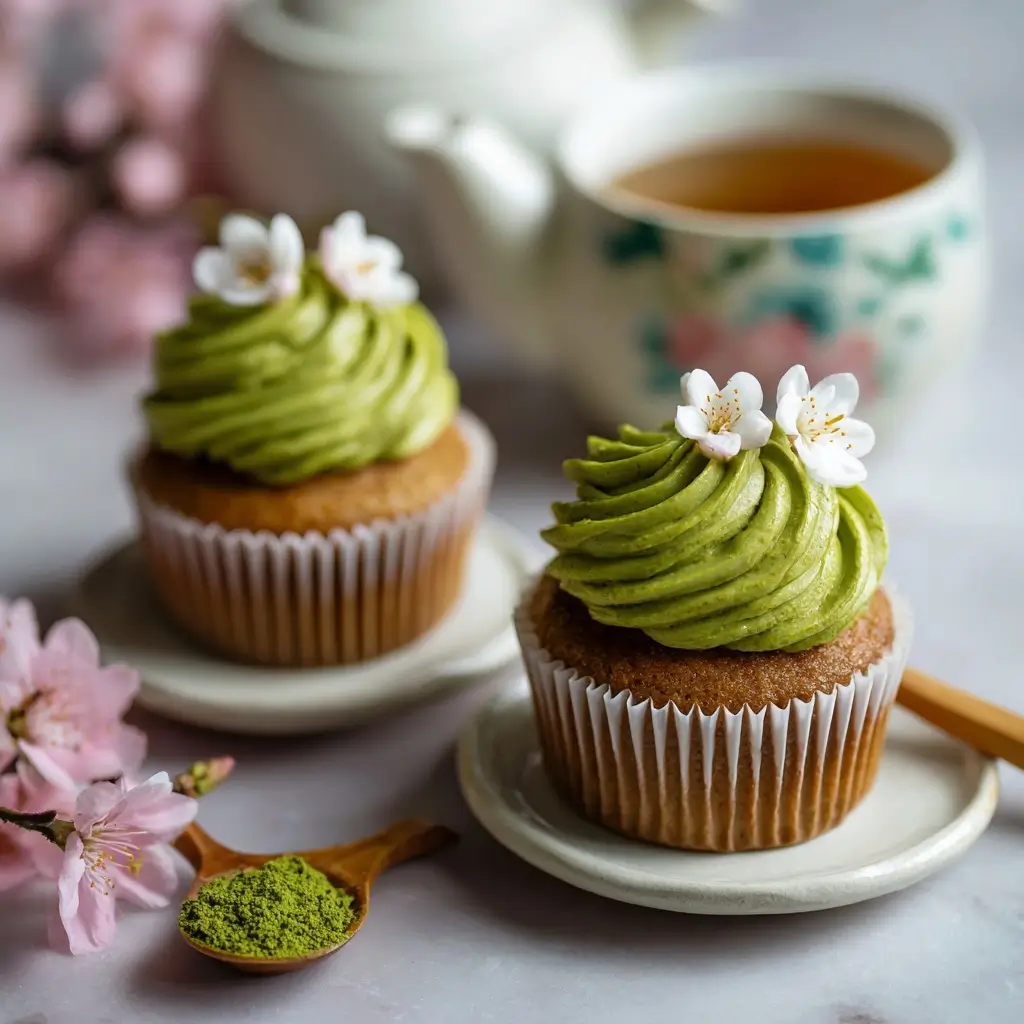
- Make the Frosting: In a large bowl, beat the softened cream cheese and butter together until smooth and creamy. Gradually add the sifted powdered sugar, mixing on low speed to avoid a sugar cloud. Add vanilla, 1 tablespoon of heavy cream, and 1 teaspoon of matcha powder. Beat on high speed for 2–3 minutes until fluffy. If needed, add more cream for a spreadable consistency or more matcha for deeper color and flavor.
- Frost the Cupcakes: Once the cupcakes are completely cool, pipe or spread the frosting generously on top. For an elegant finish, use a piping bag with a star tip.
- Garnish (Optional): Sprinkle with extra matcha powder, white chocolate shavings, edible gold dust, or fresh berries for visual appeal.
Tips for Baking the Best Matcha Green Tea Cupcakes
- Use Quality Matcha: Invest in a reputable brand of culinary-grade matcha. Lower-quality powders may be mixed with fillers and result in a flat or bitter taste.
- Sift the Matcha and Flour: Sifting prevents clumping and ensures even distribution throughout the batter.
- Room Temperature Ingredients: Cold eggs or butter can cause the batter to curdle or bake unevenly.
- Don’t Overmix: Overmixing develops gluten, leading to tough cupcakes. Mix until just combined.
- Check for Doneness Early: Ovens vary, so begin checking cupcakes at 18 minutes. They’re done when they spring back lightly when touched and a tester comes out clean.
- Cool Completely Before Frosting: Warm cupcakes will melt the frosting, causing it to slide off.
- Adjust Matcha to Taste: Start with 1 tsp in the frosting and add more if you want a stronger flavor or greener hue.
- Store Properly: Keep frosted cupcakes in an airtight container in the refrigerator for up to 5 days. Bring to room temperature before serving for best texture.
Variations and Customizations
These cupcakes are incredibly versatile. Here are some creative ways to customize them:
- Gluten-Free Version: Substitute all-purpose flour with a 1:1 gluten-free baking blend. Ensure your matcha is certified gluten-free if cross-contamination is a concern.
- Dairy-Free Option: Use plant-based butter and dairy-free cream cheese (like Kite Hill or Miyoko’s). Replace buttermilk with almond milk mixed with 1 tsp lemon juice or vinegar.
- Vegan Matcha Cupcakes: Combine gluten-free/dairy-free substitutions with flax eggs (1 tbsp ground flaxseed + 3 tbsp water per egg).
- Matcha White Chocolate Cupcakes: Fold ½ cup of white chocolate chips into the batter for a sweet contrast to the earthy matcha.
- Strawberry-Matcha Swirl: Add a layer of strawberry jam into the center or swirl it into the batter before baking.
- Red Bean Filling: Fill the center with sweet red bean paste (anko) for an authentic Japanese twist.
- Chamomile or Lavender Infusion: Add a calming floral note by infusing the buttermilk with dried chamomile or culinary lavender.
- Mini Matcha Cupcakes: Use a mini muffin tin and reduce baking time to 10–12 minutes for bite-sized treats.
- Matcha Cupcake Pops: Crumble cooled cupcakes, mix with frosting, roll into balls, insert sticks, and dip in white chocolate.
Health Considerations and Nutritional Value
While matcha green tea cupcakes are undeniably a dessert, they do carry some potential health benefits thanks to the inclusion of real matcha powder.
Nutritional Highlights of Matcha:
- Rich in Antioxidants: Matcha is packed with catechins, particularly epigallocatechin gallate (EGCG), which has been studied for its anti-inflammatory and cancer-fighting properties.
- Natural Energy Boost: Contains a moderate amount of caffeine (about 30–35mg per teaspoon), providing sustained energy without the jitters due to the presence of L-theanine, an amino acid that promotes relaxation.
- Supports Metabolism: Some studies suggest matcha may enhance thermogenesis, the body’s rate of burning calories.
- Detoxifying Properties: Being shade-grown, matcha plants produce more chlorophyll, which is believed to aid in detoxification.
Nutritional Information (Per Cupcake, approximate):
| Calories | 280 kcal |
| Total Fat | 14g |
| Saturated Fat | 8g |
| Cholesterol | 55mg |
| Sodium | 180mg |
| Total Carbohydrates | 36g |
| Dietary Fiber | 1g |
| Sugars | 24g |
| Protein | 3g |
| Caffeine | ~30mg |
Note: Values may vary based on ingredient brands and portion size. The cream cheese frosting adds significant fat and sugar, so moderation is key. For a healthier version, consider reducing sugar, using Greek yogurt in place of some butter, or making a whipped coconut cream frosting.
FAQ: Frequently Asked Questions About Matcha Green Tea Cupcakes
- Can I use ceremonial-grade matcha for baking?
- You can, but it’s not recommended due to the high cost. Ceremonial-grade matcha is best enjoyed as a tea. Culinary-grade offers sufficient flavor for baked goods at a fraction of the price.
- Why are my cupcakes turning brown instead of green?
- Exposure to high heat can cause matcha to oxidize and darken. To preserve the vibrant green color, avoid overbaking and store cupcakes away from direct sunlight.
- Can I freeze matcha cupcakes?
- Yes! Unfrosted cupcakes can be frozen for up to 3 months. Wrap individually in plastic wrap and store in a freezer-safe container. Thaw at room temperature before frosting.
- How do I store leftover frosted cupcakes?
- Keep them in an airtight container in the refrigerator for up to 5 days. Let them sit at room temperature for 20–30 minutes before serving.
- Can I make the batter ahead of time?
- It’s best to bake immediately after mixing. The leavening agents start working as soon as wet and dry ingredients combine.
- Is matcha safe for children?
- Yes, in moderation. Due to its caffeine content, it’s best to limit servings for young children. Consider reducing the matcha amount in the batter for kid-friendly versions.
- Can I make these cupcakes without eggs?
- Yes, use flax eggs (1 tbsp ground flaxseed + 3 tbsp water per egg) or commercial egg replacers designed for baking.
Summary
Matcha green tea cupcakes are a harmonious blend of Japanese tradition and modern dessert artistry, offering a unique balance of earthy matcha flavor and sweet, tender crumb. With vibrant color, aromatic depth, and customizable variations, they’re perfect for teatime, celebrations, or gifting.