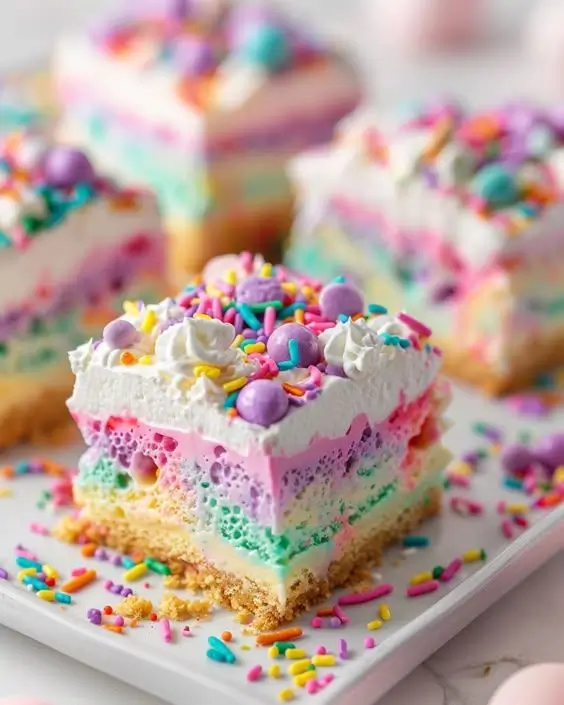
Hands Down, This Is the Only Cake My Hubby Will Eat for Easter!
The History
This beloved Easter cake has a story that stretches back generations in my family. It all began with my great-grandmother, who was known throughout her small Appalachian town for her legendary baking skills—especially during the holidays. Every Easter Sunday, without fail, she would bring this moist, spiced, citrus-kissed cake to church potlucks and family gatherings. The recipe was handwritten on a yellowed index card stained with butter and cinnamon, passed down first to my grandmother, then my mother, and finally to me on the eve of my first Easter as a married woman.
My husband, a self-proclaimed dessert skeptic, had always turned his nose up at cakes—too dry, too sweet, “just pie, thanks.” But the moment he tasted this one, something magical happened. His eyes widened, he took another bite without speaking, and by the third slice (yes, third), he declared, “If I can only have one cake for the rest of my life, make it this one.” And so, a tradition was born: this is the only cake my hubby will eat for Easter. Over the years, I’ve made it for Easters in snowstorms, backyard brunches, hospital visits, and even virtual celebrations over Zoom—but the response is always the same: silence, followed by, “Can you send me the recipe?” Now, I’m sharing it with you, just as it was given to me—with love, nostalgia, and a little bit of kitchen magic.
Ingredients Breakdown
The beauty of this cake lies in its balance—a harmony of warm spices, bright citrus, and rich moisture that makes it unlike any other dessert. Here’s what goes into creating this Easter masterpiece:
- All-Purpose Flour (3 cups): The foundation of the cake, providing structure. For best results, spoon and level the flour—don’t scoop directly from the bag—to avoid a dense texture.
- Baking Soda (1 teaspoon): A key leavening agent that reacts with the buttermilk to create a tender crumb.
- Salt (½ teaspoon): Enhances flavor and balances the sweetness.
- Ground Cinnamon (1½ teaspoons): Adds warmth and depth, evoking cozy spring mornings and family memories.
- Ground Nutmeg (½ teaspoon): Just enough to complement the cinnamon without overpowering—freshly grated nutmeg, if available, takes it to the next level.
- Unsalted Butter (1 cup, softened): Provides richness and contributes to the cake’s melt-in-your-mouth texture. Make sure it’s truly softened—not melted—for proper creaming.
- Granulated Sugar (2 cups): Sweetens without overwhelming; pairs perfectly with the tangy glaze.
- Large Eggs (4): Bind the ingredients and add moisture. Use room-temperature eggs for even mixing.
- Vanilla Extract (2 teaspoons): High-quality vanilla enhances the overall flavor profile—don’t skimp here.
- Buttermilk (1 cup): The secret weapon! Its acidity reacts with baking soda, tenderizing the gluten and adding a subtle tang that keeps the cake moist for days.
- Fresh Orange Zest (from 1 large orange): Bright, floral notes that scream springtime and cut through the richness.
- Fresh Lemon Zest (from 1 lemon): Adds a zippy freshness that elevates the entire cake.
- Boiling Water (½ cup): Used in the “bloom” technique to intensify the spices and create an ultra-moist texture.
For the Glaze:
- Powdered Sugar (2 cups, sifted): Creates a smooth, silky finish.
- Fresh Orange Juice (3 tablespoons): Brings fruity brightness and thins the glaze to perfect drizzling consistency.
- Fresh Lemon Juice (1 tablespoon): Balances the sweetness with a tart kick.
- Vanilla Extract (½ teaspoon): Ties the glaze back to the cake’s flavor base.
- Optional: Food Coloring (a drop of pastel pink, yellow, or lavender): For festive Easter flair!
Step-by-Step Recipe
- Preheat & Prep: Preheat your oven to 350°F (175°C). Grease and flour two 9-inch round cake pans or line them with parchment paper for foolproof release.
- Mix Dry Ingredients: In a medium bowl, whisk together the flour, baking soda, salt, cinnamon, and nutmeg until well combined. Set aside.
- Cream Butter & Sugar: In a large mixing bowl, beat the softened butter and granulated sugar together on medium-high speed until light and fluffy—about 3 to 5 minutes. You want it pale and creamy, almost like whipped frosting.
- Add Eggs & Vanilla: Add the eggs one at a time, beating well after each addition. Scrape down the sides of the bowl as needed. Mix in the vanilla extract.
- Incorporate Zests: Stir in the orange and lemon zest. The oils from the zest will infuse the batter with incredible citrus aroma.
- Alternate Wet & Dry: With the mixer on low, add one-third of the dry ingredients, followed by half the buttermilk. Continue alternating: another third of dry mix, remaining buttermilk, then the final dry portion. Mix just until combined—do not overmix, or the cake may become tough.
- Bloom the Spices: In a heat-safe measuring cup, pour the boiling water over the remaining cinnamon and nutmeg (if doubling the spices for bloom) or simply use plain boiling water. Let sit for 1 minute, then slowly stir it into the batter. This step unlocks deeper spice flavors and adds incredible moisture.
- Divide & Bake: Pour the batter evenly into the prepared pans. Smooth the tops with a spatula. Bake for 30 to 35 minutes, or until a toothpick inserted into the center comes out clean and the tops spring back when lightly pressed.
- Cool Completely: Let the cakes cool in their pans for 10 minutes, then turn them out onto wire racks to cool completely before glazing. Glazing a warm cake will cause the sugar to melt and slide right off.
- Make the Glaze: In a medium bowl, whisk together the sifted powdered sugar, orange juice, lemon juice, and vanilla until smooth. Add more juice, ½ teaspoon at a time, if needed to reach a thick but pourable consistency.
- Glaze & Decorate: Once the cakes are completely cool, place one layer on a serving plate and drizzle with about one-third of the glaze. Top with the second layer and pour the remaining glaze over the top, allowing it to drip down the sides. For a decorative touch, sprinkle with colored sprinkles, edible flowers, or extra citrus zest.
Tips
- Room-Temperature Ingredients: Ensure your butter, eggs, and buttermilk are at room temperature before starting. This allows for even mixing and a smoother batter.
- Don’t Overmix: Once you start adding the dry ingredients, mix only until incorporated. Overmixing develops gluten, leading to a denser cake.
- Use Fresh Citrus: Bottled juice or dried zest won’t give you the same vibrant flavor. Always zest before juicing, and roll the fruit on the counter first to maximize yield.
- Check Oven Temperature: Use an oven thermometer to ensure accuracy. Many ovens run hot or cold, which can affect bake time and texture.
- Test for Doneness Properly: Insert the toothpick near the center but not touching the pan. If it comes out with wet batter, keep baking. A few moist crumbs are fine.
- Patience with Cooling: Resist the urge to frost early! A warm cake will absorb the glaze unevenly or cause it to melt into a puddle.
- Storage Tip: Store the glazed cake under a cake dome at room temperature for up to 3 days. For longer storage, refrigerate (though the texture firms slightly)—bring to room temp before serving.
Variations and Customizations
While this cake is perfect as-is, feel free to get creative based on your family’s tastes or dietary needs:
- Lemon-Only Version: Double the lemon zest and juice, skip the orange. Bright and tangy—perfect for lemon lovers.
- Carrot Spice Twist: Fold in 1½ cups finely grated carrots and ½ cup crushed pineapple (drained) for a carrot-cake-meets-spice-cake hybrid. Add chopped walnuts or pecans for crunch.
- Gluten-Free Option: Substitute the all-purpose flour with a high-quality 1:1 gluten-free blend (like Bob’s Red Mill or King Arthur). Add ½ teaspoon xanthan gum if not already included.
- Dairy-Free Swap: Use plant-based butter (such as Miyoko’s or Earth Balance) and dairy-free buttermilk (1 cup almond milk + 1 tablespoon lemon juice, let sit 5 minutes).
- Vegan Adaptation: Replace eggs with flax eggs (1 tbsp ground flax + 3 tbsp water per egg) and follow dairy-free swaps. May require slight bake time adjustment.
- Mini Bundt or Cupcakes: Divide the batter into greased mini bundt molds or cupcake liners. Bake cupcakes for 18–22 minutes; mini bundts for 25–30 minutes.
- Almond Infusion: Add ½ teaspoon almond extract along with the vanilla for a marzipan-like nuance.
- Easter-Themed Decorating: Pipe pastel-colored glaze in swirls, add pastel sprinkles, or decorate with candy bunnies, jelly beans, or coconut “grass” dyed green with food coloring.
Health Considerations and Nutritional Value
While this cake is undeniably indulgent, there are ways to enjoy it mindfully and even boost its nutritional profile slightly:
- Portion Control: One thin slice satisfies most sweet cravings. Cut servings into eighths rather than sixths to stretch the cake further.
- Natural Sweeteners: Some bakers experiment with replacing up to half the granulated sugar with coconut sugar or maple syrup, though this may darken the color and alter texture slightly.
- Reduced Sugar Glaze: Use monk fruit-sweetened powdered sugar alternative or reduce the glaze sugar to 1½ cups.
- Fruit-Powered Moisture: Applesauce or mashed banana can replace up to half the butter, reducing saturated fat while maintaining moisture.
- Whole Grain Boost: Substitute 1 cup of all-purpose flour with whole wheat pastry flour for added fiber without sacrificing tenderness.
- Nutrient Highlights: The citrus zest provides vitamin C and antioxidants; nuts (if added) contribute healthy fats and protein.
- Occasional Indulgence: Remember, this cake is meant for celebration. Enjoy it as part of a balanced diet, especially during special occasions like Easter when emotional nourishment matters just as much as physical health.
Estimated Nutritional Value per Slice (1/8th of cake, with glaze):
Calories: ~420 | Fat: 18g (11g saturated) | Carbohydrates: 62g | Sugar: 45g | Protein: 5g | Fiber: 1g | Sodium: 280mg
Ingredients
- 3 cups all-purpose flour
- 1 teaspoon baking soda
- ½ teaspoon salt
- 1½ teaspoons ground cinnamon, divided
- ½ teaspoon ground nutmeg
- 1 cup (2 sticks) unsalted butter, softened
- 2 cups granulated sugar
- 4 large eggs, room temperature
- 2 teaspoons vanilla extract
- 1 cup buttermilk, room temperature
- Zest of 1 large orange
- Zest of 1 lemon
- ½ cup boiling water
- For the Glaze:
- 2 cups powdered sugar, sifted
- 3 tablespoons fresh orange juice
- 1 tablespoon fresh lemon juice
- ½ teaspoon vanilla extract
- Optional: a drop of pastel food coloring
Directions
- Preheat oven to 350°F (175°C). Grease and flour two 9-inch round cake pans or line with parchment paper.
- In a medium bowl, whisk together flour, baking soda, salt, 1 teaspoon cinnamon, and nutmeg. Set aside.
- In a large bowl, cream butter and sugar until light and fluffy (3–5 minutes).
- Add eggs one at a time, beating well after each. Mix in vanilla, orange zest, and lemon zest.
- With mixer on low, alternate adding dry ingredients and buttermilk in three additions: dry, buttermilk, dry, buttermilk, dry. Mix until just combined.
- In a measuring cup, combine boiling water with remaining ½ teaspoon cinnamon (and nutmeg, if desired). Let steep 1 minute, then stir into batter until smooth.
- Pour batter evenly into pans. Bake 30–35 minutes or until toothpick comes out clean.
- Cool in pans 10 minutes, then transfer to wire racks to cool completely.
- Make glaze: Whisk powdered sugar, orange juice, lemon juice, vanilla, and food coloring (if using) until smooth. Adjust thickness with additional juice or sugar.
- Place one cake layer on a plate, drizzle with some glaze. Top with second layer. Pour remaining glaze over top, letting it drip down sides.
- Decorate as desired. Serve at room temperature. Store covered at room temperature for up to 3 days.
FAQ
Q: Can I make this cake ahead of time?
A: Absolutely! Bake the layers up to 2 days in advance, wrap them tightly in plastic wrap, and store at room temperature. Glaze the day of serving for the best appearance.
Q: Can I freeze this cake?
A: Yes. Wrap unfrosted layers in plastic and foil, then freeze for up to 3 months. Thaw overnight in the fridge, bring to room temperature, then glaze. Fully glazed cake can be frozen, but the glaze may weep slightly upon thawing.
Q: Why did my cake sink in the middle?
A: Common causes include underbaking, opening the oven too early, overmixing, or inaccurate oven temperature. Use a reliable oven thermometer and avoid peeking during the first 25 minutes.
Q: Can I use regular milk instead of buttermilk?
A: Not directly. Buttermilk’s acidity is essential. However, you can make a substitute: add 1 tablespoon vinegar or lemon juice to 1 cup milk and let sit 5–10 minutes before using.
Q: Is this cake suitable for kids?
A: Yes! Children adore the sweet glaze and soft texture. Decorate with pastel colors and fun toppings to make it extra festive for little ones.
Q: Can I bake this in a 9×13 pan?
A: Yes. Pour all the batter into a greased 9×13-inch baking dish. Bake for 35–40 minutes, checking for doneness with a toothpick. This creates a stunning sheet-style Easter cake, easy to serve.
Summary
Hands down, this is the only cake my hubby will eat for Easter—a moist, citrus-spiced masterpiece topped with a tangy-sweet glaze that brings joy to every bite.
Passed down through generations and perfected over decades, this family heirloom recipe is destined to become your new Easter tradition.