Pesto Pizza with Prawns and Roasted Capsicum
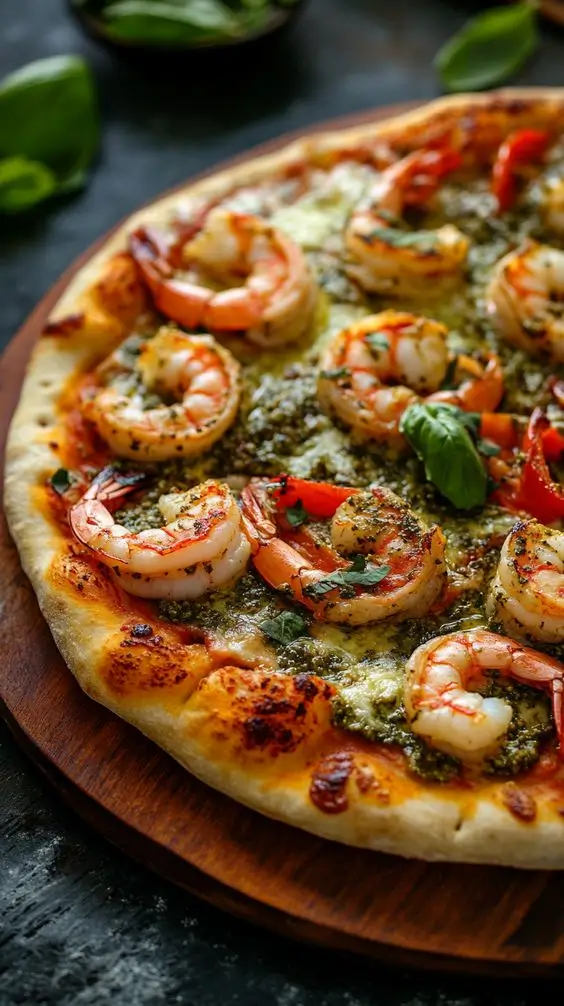
Imagine a golden, crisp pizza crust slathered in vibrant green basil pesto instead of traditional tomato sauce, topped with succulent prawns and sweet, smoky roasted red capsicum. This gourmet fusion dish blends the bold flavors of Italian cuisine with the delicate sweetness of seafood, creating a luxurious meal perfect for date nights, dinner parties, or treating yourself to something special. The combination of fresh herbs, garlic, pine nuts, Parmesan cheese, juicy prawns, and charred peppers results in a symphony of textures and tastes that dance on your palate. Whether you’re a seasoned home cook or an adventurous beginner, this pesto pizza with prawns and roasted capsicum is a show-stopping recipe worth mastering.
The History: A Fusion of Culinary Traditions
Pizza, as we know it today, originated in Naples, Italy, during the 18th century as a humble street food for the working class. Topped simply with tomatoes, mozzarella, and basil, the classic Margherita represented the colors of the Italian flag and became iconic worldwide. Over time, pizza evolved beyond its Neapolitan roots, adapting to regional tastes and ingredients across the globe.
Pesto, on the other hand, hails from Genoa in the Liguria region of northern Italy. The word “pesto” comes from the Genoese verb pestâ, meaning “to crush,” referring to how traditional pesto is made using a mortar and pestle. Originally made with fresh basil, garlic, pine nuts, olive oil, and Parmigiano-Reggiano, pesto was used as a pasta sauce or condiment. Its rich, aromatic profile made it a beloved staple of Mediterranean cooking.
The idea of combining pesto with pizza is a modern twist that gained popularity in the late 20th century, particularly in fusion and gourmet pizzerias. Chefs began experimenting by replacing tomato sauce with pesto to offer a fresher, herbaceous alternative. Meanwhile, adding seafood like prawns to pizza reflects global culinary trends embracing lighter proteins and coastal flavors—common in Mediterranean, Australian, and Californian cuisines.
Roasted capsicum (also known as bell pepper) has long been used in Spanish, Italian, and Middle Eastern dishes for its natural sweetness and smoky depth when grilled or roasted. When paired with prawns and pesto, it enhances the overall complexity of the pizza without overpowering the delicate seafood flavor. This particular combination—pesto, prawns, and roasted capsicum—exemplifies contemporary artisanal pizza-making at its finest: balancing tradition with innovation, simplicity with elegance.
Ingredients Breakdown: What Makes This Pizza Shine
The magic of this pesto pizza lies not just in the combination of ingredients but in their quality and preparation. Each component contributes a unique layer of flavor, texture, and aroma, coming together in perfect harmony.
- Basil Pesto: The heart of the pizza, homemade pesto brings a bright, herbal freshness. Fresh Genovese basil is ideal due to its sweet, slightly peppery taste. Garlic adds pungency, while pine nuts contribute a buttery richness. Extra-virgin olive oil ensures silkiness, and aged Parmesan cheese delivers umami depth.
- Prawns (Shrimp): Medium to large prawns work best—they’re meaty enough to stand out but cook quickly. Choose fresh or high-quality frozen prawns that have been peeled and deveined. Their natural sweetness pairs beautifully with the savory pesto and smoky capsicum.
- Roasted Red Capsicum: Also called bell peppers, red capsicums are sweeter than green or yellow varieties. Roasting them over an open flame or under a broiler caramelizes their sugars and imparts a subtle smokiness, elevating the entire dish.
- Pizza Dough: While store-bought dough works in a pinch, homemade dough made with tipo “00” flour, water, yeast, salt, and olive oil offers superior chew and flavor. Allowing it to ferment slowly overnight develops complex notes.
- Mozzarella Cheese: Fresh mozzarella—either fior di latte or buffalo—melts beautifully and adds creaminess without overwhelming the other ingredients. Some recipes call for a blend of mozzarella and provolone for extra tang.
- Optional Additions: Arugula (rocket), lemon zest, cherry tomatoes, olives, capers, or a drizzle of balsamic glaze can enhance brightness and contrast.
Step-by-Step Recipe: How to Make Pesto Pizza with Prawns and Roasted Capsicum
Ingredients
For the Homemade Basil Pesto:
- 2 cups fresh basil leaves, packed
- 1/3 cup pine nuts, lightly toasted
- 3 cloves garlic, minced
- 1/2 cup freshly grated Parmesan cheese
- 1/2 cup extra-virgin olive oil (preferably cold-pressed)
- Salt and freshly ground black pepper, to taste
- 1 teaspoon lemon juice (optional, for brightness)
For the Roasted Red Capsicum:
- 1 large red capsicum (bell pepper)
- 1 tablespoon olive oil
- Salt, to taste
For the Prawns:
- 12–16 medium-large prawns (about 300g), peeled and deveined
- 1 tablespoon olive oil
- 1 clove garlic, finely chopped
- 1/2 teaspoon smoked paprika (optional)
- Salt and freshly ground black pepper
- 1/2 teaspoon lemon zest
For the Pizza:
- 1 pre-made or homemade pizza dough (stretched to ~12 inches)
- 1 1/2 cups fresh mozzarella, torn into small pieces
- 2 tablespoons grated Parmesan cheese
- 1 tablespoon cornmeal or semolina (for dusting, if using a stone)
- Fresh arugula (optional, for garnish)
- Extra drizzle of olive oil or balsamic reduction (optional)
Directions
- Prepare the Roasted Red Capsicum: Preheat your oven broiler to high or use a gas stove flame. Place the whole red capsicum on a baking sheet and roast under the broiler, turning every few minutes until the skin is blistered and charred on all sides (about 15–20 minutes). Alternatively, hold it with tongs over an open gas flame until blackened. Transfer to a bowl, cover with plastic wrap, and let steam for 10 minutes. Peel off the charred skin, remove seeds and stem, then slice into thin strips. Toss with olive oil, salt, and set aside.
- Make the Basil Pesto: In a food processor, combine basil, pine nuts, and garlic. Pulse until finely chopped. Add Parmesan and pulse again. With the motor running, slowly pour in the olive oil until smooth. Season with salt, pepper, and lemon juice. Taste and adjust. Set aside. (Note: To prevent browning, place a thin layer of olive oil on top if storing temporarily.)
- Cook the Prawns: Heat olive oil in a skillet over medium heat. Add garlic and sauté for 30 seconds until fragrant. Add prawns, season with salt, pepper, and smoked paprika. Cook for 1–2 minutes per side until pink and opaque. Do not overcook. Remove from heat, sprinkle with lemon zest, and set aside.
- Preheat Oven and Prepare Dough: Preheat oven to its highest setting (ideally 475°F–500°F / 245°C–260°C). If using a pizza stone, place it in the oven to heat for at least 30 minutes. Lightly flour your work surface and stretch the dough into a 12-inch circle. Transfer to a pizza peel dusted with cornmeal to prevent sticking.
- Assemble the Pizza: Spread about 1/3 to 1/2 cup of pesto evenly over the dough, leaving a small border for the crust. Distribute torn mozzarella pieces evenly. Arrange roasted capsicum strips over the cheese. Gently place cooked prawns on top. Sprinkle with additional Parmesan.
- Bake the Pizza: Slide the pizza onto the preheated stone or place on a baking sheet. Bake for 10–14 minutes, rotating halfway, until the crust is golden, puffed, and slightly charred at the edges, and the cheese is bubbly and starting to brown.
- Finish and Serve: Remove from oven and let cool for 1–2 minutes. Top with a handful of fresh arugula if desired. Drizzle with extra virgin olive oil or balsamic glaze. Slice and serve immediately while hot.
Top Tips for the Perfect Pesto Pizza with Prawns and Roasted Capsicum
- Use Fresh Ingredients: The quality of your basil, prawns, and cheese will directly impact the final result. Opt for organic basil, sustainably sourced prawns, and high-grade Parmesan.
- Don’t Overcook the Prawns: They continue to cook slightly after removal from heat. Overcooking makes them rubbery. Aim for just opaque and pink.
- Roast Capsicum Properly: Charring is essential for flavor. Don’t skip the steaming step—it loosens the skin and intensifies sweetness.
- Balance Moisture: Pesto and fresh mozzarella both contain moisture. Blot excess liquid from mozzarella and avoid over-saucing to prevent a soggy crust.
- Pre-Bake the Crust (Optional): For extra crispness, bake the dough with just olive oil for 3–4 minutes before adding toppings.
- Try Different Nuts: Pine nuts can be expensive; substitute with walnuts, almonds, or pistachios for a different nutty profile.
- Add Lemon Zest at the End: It brightens the dish and complements both prawns and pesto beautifully.
- Use a Pizza Stone or Steel: These retain heat better than regular pans, yielding a crispier, more authentic crust.
- Let Dough Come to Room Temperature: Cold dough is harder to stretch and may shrink back. Let it rest for 30–60 minutes before shaping.
Variations and Customizations
This recipe is wonderfully adaptable. Here are some creative twists to try:
- Vegetarian Version: Omit prawns and add marinated artichokes, sun-dried tomatoes, or grilled zucchini.
- Vegan Option: Use vegan pesto (swap Parmesan for nutritional yeast), dairy-free cheese, and omit prawns or replace with marinated tofu or chickpeas.
- Spicy Kick: Add sliced chili flakes, jalapeños, or a dash of chili oil to the pesto or as a topping.
- Different Seafood: Try scallops, smoked salmon, or flaked white fish like cod or halibut.
- Herb Variations: Mix in parsley, cilantro, or arugula into the pesto for a unique twist.
- Gluten-Free: Use a gluten-free pizza base made from almond flour, cauliflower, or a commercial GF mix.
- White Wine Pairing: Infuse the prawns with a splash of dry white wine while sautéing for added complexity.
- Breakfast Pizza: Top with a poached or fried egg in the center for a brunch-friendly version.
Health Considerations and Nutritional Value
While undeniably delicious, this pesto pizza can be balanced to fit various dietary needs. Here’s a breakdown of key nutritional aspects:
- Protein Powerhouse: Prawns are low in fat and high in protein, providing about 20g of protein per 100g. They also contain selenium, iodine, and omega-3 fatty acids beneficial for heart and brain health.
- Healthy Fats: Olive oil and pine nuts in pesto are rich in monounsaturated fats and antioxidants, supporting cardiovascular wellness.
- Low Carb Option: Using a thin crust or cauliflower base reduces carbohydrate content significantly.
- Calorie Awareness: Pesto and cheese are calorie-dense. Portion control is key. One slice (1/8 of pizza) with standard toppings contains approximately 280–350 calories depending on size and ingredients.
- Sodium Content: Parmesan, processed mozzarella, and store-bought dough can be high in sodium. Opt for lower-sodium versions when possible.
- Allergens: Contains shellfish (prawns), tree nuts (pine nuts), dairy (cheese), and gluten (dough). Suitable substitutions available for most allergens.
- Antioxidant-Rich: Basil, red capsicum, and garlic are loaded with vitamins C and A, potassium, and phytonutrients with anti-inflammatory properties.
To make this dish healthier:
- Grill or air-fry prawns instead of pan-frying in oil.
- Use part-skim mozzarella or reduce cheese quantity.
- Load up on extra veggies like spinach, mushrooms, or red onion.
- Serve with a side salad to increase fiber and volume without excess calories.
Frequently Asked Questions (FAQ)
Can I use jarred pesto instead of homemade?
Yes, but homemade pesto is fresher and less processed. If using store-bought, look for one with minimal ingredients and no artificial preservatives. You may want to stir in a little extra olive oil or lemon juice to revive the flavor.
Can I prepare this pizza ahead of time?
You can prep components in advance: make pesto (stores in fridge up to 5 days or freeze), roast capsicum, and cook prawns. Assemble and bake just before serving for best texture.
How do I store leftovers?
Store cooled slices in an airtight container in the refrigerator for up to 2 days. Reheat in a skillet over medium heat or in the oven at 375°F (190°C) to preserve crispness. Avoid microwaving, which makes the crust soggy.
Why did my crust turn out soggy?
Too much pesto, wet mozzarella, or undercooked dough can cause sogginess. Ensure ingredients are well-drained, use moderate sauce, and preheat your baking surface properly.
Can I freeze this pizza?
It’s not recommended to freeze fully assembled pesto-prawn pizza, as seafood and greens don’t freeze well. However, you can freeze unbaked plain dough or pesto separately.
What can I use instead of pine nuts?
Walnuts, almonds, cashews, or even sunflower seeds work as substitutes. Toast them lightly first for enhanced flavor.
Is this pizza safe for pregnant women?
Cooked prawns are safe during pregnancy as long as they’re thoroughly cooked (no translucent flesh). Avoid raw or undercooked seafood. Use pasteurized dairy products.
Can I grill this pizza?
Absolutely! Preheat your grill to high, stretch the dough, brush with oil, and place directly on the grates. Cook one side until grill marks appear, flip, then add toppings and close the lid to melt cheese. Grilling adds a fantastic smoky note.
Summary
Pesto pizza with prawns and roasted capsicum is a gourmet delight that marries the freshness of basil pesto, the sweetness of charred peppers, and the delicate luxury of perfectly cooked prawns on a crisp, golden crust.
Easy to customize and rich in flavor, this dish elevates simple ingredients into a restaurant-worthy experience perfect for any occasion.