Sheet Pan Garlic Parmesan Chicken: A Flavorful One-Pan Wonder
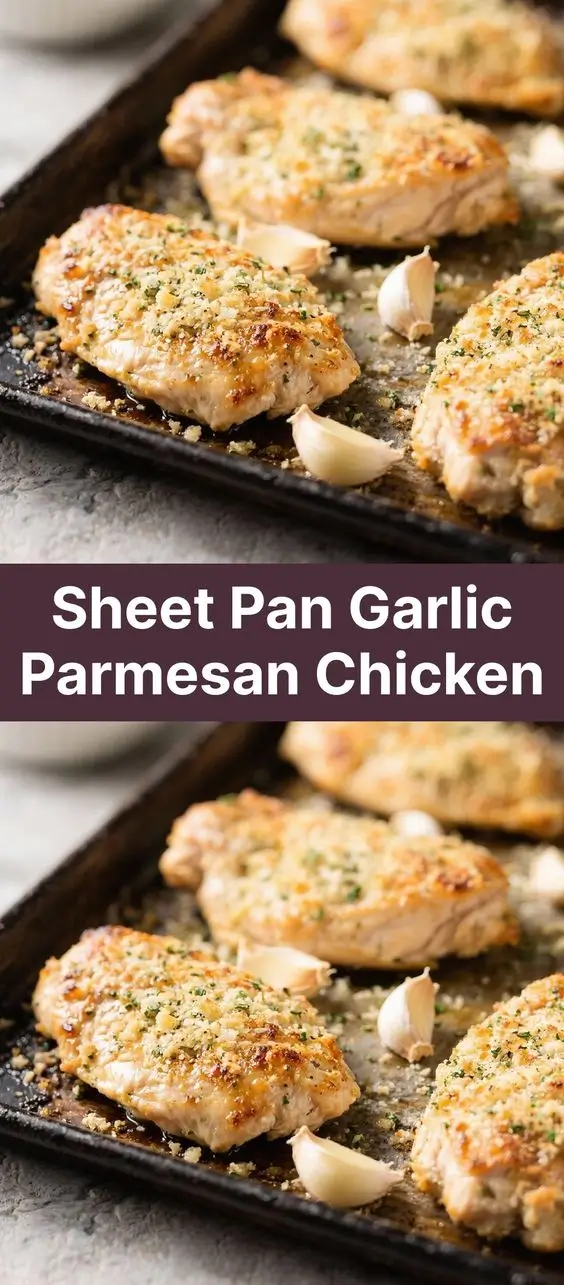
The Sheet Pan Garlic Parmesan Chicken has emerged as a modern culinary favorite, beloved by home cooks and food enthusiasts alike for its simplicity, bold flavors, and minimal cleanup. This dish perfectly encapsulates the essence of weeknight dinner ease while delivering restaurant-quality taste—making it a staple in countless kitchens around the world.
The History
While chicken cooked with garlic and cheese is not a new concept—the roots of such flavor combinations can be traced back to Italian-American cuisine—sheet pan meals gained widespread popularity in the 2010s as part of the “one-pan” or “sheet pan dinner” trend. Influenced by meal prep culture and busy lifestyles, this cooking method emphasizes efficiency: proteins and vegetables roasted together on a single baking sheet, minimizing both effort and cleanup. The Garlic Parmesan variation likely evolved from classic recipes like Garlic Parmesan Chicken Breast and Baked Chicken Thighs with Herbs, adapting them into a more convenient, all-in-one format. Social media platforms like Pinterest and Instagram further propelled its fame, with vibrant images of golden-brown chicken nestled among caramelized veggies driving millions of shares and recreations.
Ingredients Breakdown
The magic of Sheet Pan Garlic Parmesan Chicken lies in its balance of savory, creamy, garlicky, and slightly tangy elements. Here’s a detailed breakdown of each ingredient and its role:
- Chicken breasts or thighs: Boneless, skinless chicken breasts are most commonly used for their lean texture and quick cooking time. However, chicken thighs offer more moisture and richness, making them an excellent alternative for those who prefer juicier meat.
- Olive oil: Acts as a base for coating the chicken and vegetables, promoting even browning and crisping in the oven. It also helps carry fat-soluble flavors throughout the dish.
- Minced garlic: The star of the show—freshly minced garlic delivers pungent, aromatic depth. When roasted, it mellows into sweet, nutty notes that permeate every bite.
- Parmesan cheese: Freshly grated Parmigiano-Reggiano adds umami, saltiness, and a crispy crust when baked. Pre-grated versions often contain anti-caking agents that hinder melting, so freshly grated is best.
- Dried herbs: Typically a blend of oregano, thyme, and basil contributes earthy, herbal complexity. Some variations include rosemary for a pine-like aroma.
- Lemon juice: Brightens the dish with acidity, cutting through the richness of the cheese and oil. It also helps tenderize the chicken slightly during marination.
- Salt and black pepper: Essential seasonings that enhance all other flavors. Coarse sea salt works particularly well for texture and even distribution.
- Vegetables (common choices): Bell peppers, zucchini, cherry tomatoes, red onions, broccoli, and asparagus are popular additions. They roast alongside the chicken, absorbing the garlicky, cheesy drippings for maximum flavor infusion.
- Optional add-ins: Red pepper flakes for heat, Dijon mustard for tang, heavy cream or Greek yogurt for a richer sauce, or fresh parsley for garnish.
Step-by-Step Recipe
- Preheat the oven to 400°F (200°C). Line a large rimmed baking sheet with parchment paper or lightly grease it with cooking spray to prevent sticking.
- Prepare the chicken: Pat the chicken dry with paper towels. Cut larger breasts in half horizontally or into evenly sized cutlets to ensure uniform cooking.
- Make the marinade/sauce: In a large bowl, whisk together 3 tablespoons olive oil, 4–5 cloves minced garlic, 2 tablespoons lemon juice, 1 teaspoon dried oregano, 1 teaspoon dried thyme, ½ teaspoon salt, and ¼ teaspoon black pepper.
- Coat the chicken: Add the chicken pieces to the bowl and toss thoroughly until evenly coated. Let marinate for at least 15 minutes (or up to 2 hours in the refrigerator for deeper flavor).
- Prepare the vegetables: While the chicken marinates, chop your chosen vegetables into similar-sized pieces—about 1-inch chunks—for even roasting. Popular pairings include bell peppers, zucchini, red onion, and cherry tomatoes.
- Assemble the sheet pan: Arrange the marinated chicken in the center of the baking sheet. Spread the chopped vegetables around the chicken in a single layer. Drizzle the veggies with 1–2 tablespoons of olive oil, season with salt and pepper, and toss lightly if needed.
- First bake (chicken only side down): Roast the chicken and vegetables for 15 minutes. This allows the chicken to begin cooking and the vegetables to start softening.
- Add the cheese and flip: Remove the pan from the oven. Flip the chicken pieces over, then sprinkle each piece generously with freshly grated Parmesan cheese (about ¼ cup total). You can also lightly sprinkle some cheese over the vegetables if desired.
- Final bake: Return the pan to the oven and bake for another 10–15 minutes, or until the chicken reaches an internal temperature of 165°F (74°C) and the cheese is melted and golden brown.
- Optional broil: For extra browning, switch the oven to broil for 1–2 minutes at the end—but watch closely to avoid burning.
- Garnish and serve: Remove from oven, let rest for 3–5 minutes, then garnish with freshly chopped parsley and an extra squeeze of lemon juice.
Tips for Success
- Uniform sizing is key: Cut chicken and vegetables to consistent sizes so they cook evenly. If using chicken thighs, adjust cooking time slightly—they may take 5–10 minutes longer.
- Don’t overcrowd the pan: Use two sheet pans if necessary. Overcrowding leads to steaming instead of roasting, resulting in soggy textures.
- Use fresh garlic: Avoid jarred minced garlic if possible—it lacks the bright punch of fresh cloves and can have an off-flavor when roasted.
- Grate your own Parmesan: Pre-shredded cheese contains cellulose and won’t melt or brown as beautifully.
- Line the pan: Parchment paper makes cleanup effortless and prevents sticking without adding excess oil.
- Let it rest: Allow the chicken to rest after baking so juices redistribute, keeping it moist when sliced.
- Rotate the pan: Halfway through cooking, rotate the pan 180 degrees for even heat distribution, especially in older ovens with hot spots.
Variations and Customizations
One of the greatest strengths of this recipe is its adaptability. Here are several delicious twists you can try:
- Creamy version: Mix 2–3 tablespoons of heavy cream or Greek yogurt into the garlic mixture before baking. Spoon over the chicken halfway through cooking for a luscious sauce.
- Spicy kick: Add ½ teaspoon red pepper flakes or a dash of cayenne pepper to the marinade. You can also top with sliced jalapeños before baking.
- Mediterranean twist: Use olives, artichoke hearts, sun-dried tomatoes, and feta cheese alongside the Parmesan. Serve with couscous or quinoa.
- Low-carb/keto-friendly: Stick to low-carb veggies like broccoli, cauliflower, zucchini, and green beans. Increase healthy fats with olive oil or avocado slices on the side.
- Gluten-free: Naturally gluten-free, just ensure any store-bought broth or seasoning blends used are certified GF.
- Veggie-forward: Double the vegetables and reduce the chicken for a lighter meal. Great for meal prepping plant-rich lunches.
- Dairy-free: Skip the Parmesan or use a high-quality vegan Parmesan alternative made from nuts and nutritional yeast.
- Herb swaps: Try herbes de Provence, Italian seasoning, or smoked paprika for different flavor profiles.
- Citrus variation: Replace lemon juice with orange or lime juice for a sweeter or tangier note, respectively.
- Breakfast version: Add halved baby potatoes and bake eggs in ramekins on the same pan during the last 10 minutes for a brunch-ready dish.
Health Considerations and Nutritional Value
Sheet Pan Garlic Parmesan Chicken can be a nutritious, balanced meal depending on how it’s prepared. Here’s what you need to know:
- Protein source: Chicken breast is high in lean protein—about 30–35 grams per 6 oz serving—supporting muscle repair and satiety.
- Fats: Olive oil provides heart-healthy monounsaturated fats. Parmesan adds saturated fat but in moderate amounts; 1 tablespoon has about 2–3 grams of fat and 20–25 calories.
- Sodium: Parmesan and added salt contribute sodium. One ounce of Parmesan has ~330 mg sodium. To reduce, use low-sodium Parmesan or less cheese, and limit added salt.
- Vegetables: Adding colorful veggies boosts fiber, vitamins (like A, C, K), and antioxidants. For example, bell peppers are rich in vitamin C, while broccoli offers folate and sulforaphane.
- Calorie range: A typical serving (chicken + mixed veggies) ranges from 350–500 calories, depending on portion size, oil amount, and cheese usage.
- Digestive benefits: Garlic has natural antimicrobial properties and may support gut health in moderation.
- Keto & paleo friendly: With adjustments (no dairy for strict paleo), this dish fits many popular diets.
- Allergens: Contains dairy (Parmesan) and possibly cross-contamination risks if shared equipment is used. Always check labels if allergies are a concern.
Full Ingredient List
- 1.5 lbs (680g) boneless, skinless chicken breasts or thighs
- 3 tablespoons extra virgin olive oil (divided)
- 4–5 cloves fresh garlic, finely minced
- 2 tablespoons fresh lemon juice (about 1 lemon)
- 1 teaspoon dried oregano
- 1 teaspoon dried thyme
- ½ teaspoon salt (or to taste)
- ¼ teaspoon freshly ground black pepper
- 1 cup grated Parmesan cheese (preferably Parmigiano-Reggiano)
- 3 cups chopped vegetables (e.g., bell peppers, zucchini, red onion, cherry tomatoes, broccoli)
- Optional: ½ teaspoon red pepper flakes, 1 tablespoon Dijon mustard, fresh parsley for garnish
Directions Recap
- Preheat oven to 400°F (200°C). Line a large baking sheet with parchment paper.
- In a bowl, combine 3 tbsp olive oil, minced garlic, lemon juice, oregano, thyme, salt, and pepper.
- Add chicken and marinate for 15–120 minutes.
- Chop vegetables and set aside.
- Arrange chicken on sheet pan, surround with vegetables. Drizzle veggies with 1–2 tbsp olive oil and season.
- Bake for 15 minutes.
- Remove, flip chicken, sprinkle with Parmesan.
- Return to oven for 10–15 minutes until chicken hits 165°F internally.
- Optional: Broil 1–2 minutes for golden cheese.
- Rest 5 minutes, garnish with parsley and lemon, then serve.
FAQ
Can I use frozen chicken?
It’s best to thaw chicken fully before using. Cooking frozen chicken leads to uneven results—exterior may burn before interior cooks through. If necessary, increase baking time by 10–15 minutes and cover chicken loosely with foil initially.
Can I make this ahead of time?
Yes! Marinate the chicken up to 24 hours in advance. You can also chop vegetables the night before and store them separately. Assemble and bake when ready.
How do I store leftovers?
Cool completely and store in an airtight container in the refrigerator for up to 3–4 days. Reheat in the oven at 350°F or microwave until warmed through.
Can I freeze this dish?
Yes, though texture may change slightly. Freeze in portioned containers for up to 2 months. Thaw overnight in the fridge before reheating.
Why is my chicken dry?
Overcooking is the most common cause. Use a meat thermometer and remove chicken at 160°F—it will carry over to 165°F while resting. Also, consider using thighs instead of breasts for more moisture.
Can I add potatoes?
Absolutely! Add diced potatoes (Yukon gold or baby potatoes) to the pan, but roast them for 10–15 minutes before adding chicken, as they take longer to cook. Toss with oil and roast until fork-tender.
Is parchment paper necessary?
Not mandatory, but highly recommended. It prevents sticking, preserves the pan, and makes cleanup nearly instant. Aluminum foil works too, but parchment is non-reactive and safer with acidic ingredients.
Can I use chicken tenders?
Yes! Reduce cooking time to 10–12 minutes total, flipping and adding cheese halfway. They cook faster due to smaller size.
Summary
Sheet Pan Garlic Parmesan Chicken is a flavorful, fuss-free meal that combines juicy chicken, roasted vegetables, and a rich garlic-Parmesan crust—all on one pan. Perfect for busy weeknights, meal prep, or feeding a family with minimal cleanup.